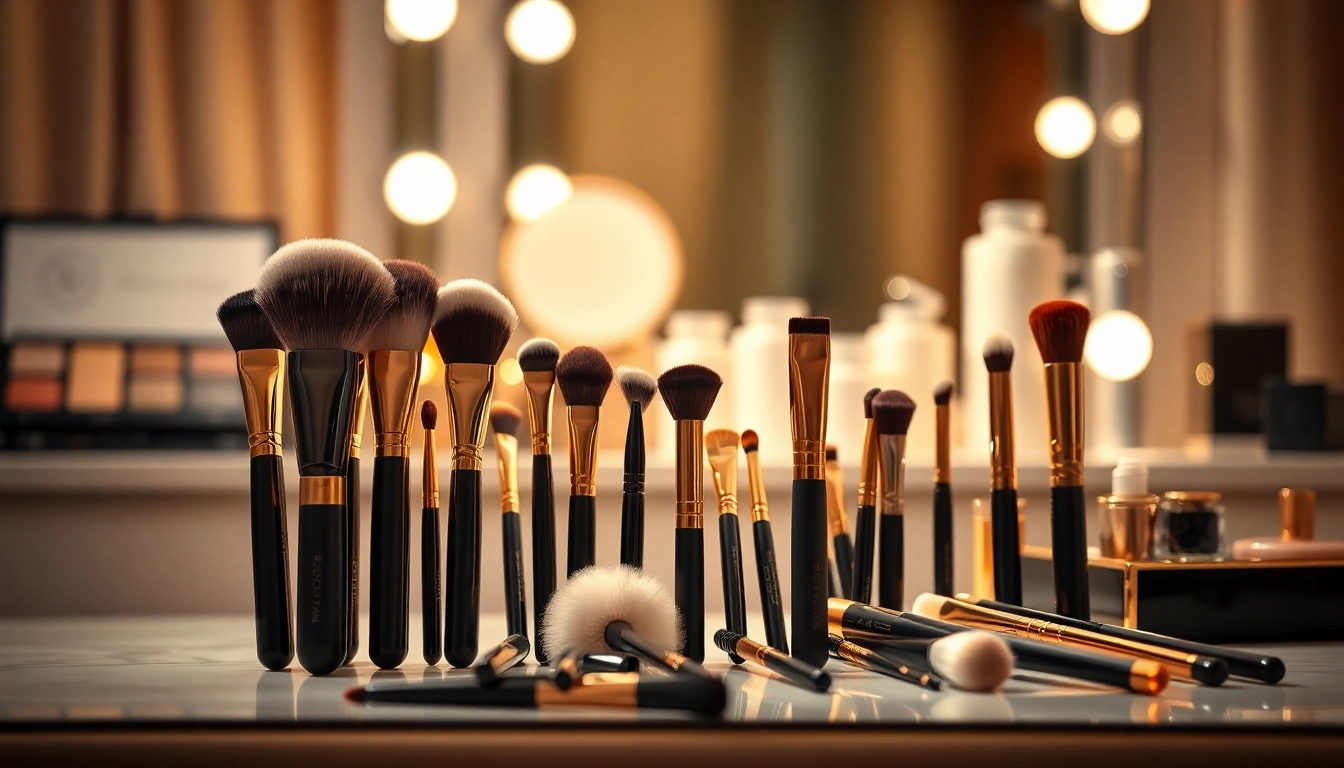
Understanding Makeup Blending Brushes
Makeup blending brushes serve as essential tools in a makeup artist’s kit, regardless of whether one is a novice or a beauty aficionado. Understanding how these tools function can dramatically elevate one’s makeup application skills. These versatile tools are not just for blending; they can also create definition, transition, and consistency across various makeup types. Properly utilizing makeup blending brushes ensures a flawless finish, enhances color payoff, and minimizes the appearance of imperfections.
Types of Makeup Blending Brushes
There is a wide variety of makeup blending brushes, each specifically designed for different applications. Understanding these types can help you choose the right brush for your potential looks.
- Foundation Brushes: Typically flat or dense, these brushes are designed to blend foundation smoothly into the skin.
- Concealer Brushes: Shorter and more tapered, aimed at blending concealer areas like under the eyes and around the nose.
- Eyeshadow Blending Brushes: Featuring fluffy bristles, these brushes help to diffuse and blend eyeshadow for a seamless look.
- Blush Brushes: These have a rounded shape that applies blush onto the cheeks while blending the color outwards.
- Contour Brushes: These may vary from angled to flat surfaces, allowing for precise application in contouring areas.
How Makeup Blending Brushes Enhance Technique
The application technique significantly affects the overall finish of makeup. By employing the right brushes, especially blending brushes, one can:
- Achieve a Flawless Finish: Blending tools help in smoothing the makeup on skin, removing harsh lines, and creating an airbrushed look.
- Layer Products Effectively: Makeup blending allows for sheer layers of products to be applied, resulting in depth and dimension.
- Control Color Intensity: Blending brushes help in softening intense colors for a more wearable look.
Choosing the Right Brush for Your Skin Type
Different skin types require different brush types to prevent irritation or improper blending. Here’s how to tailor your choice:
- Sensitive Skin: Opt for soft, natural fiber brushes that are gentle and minimize irritation.
- Oily Skin: Synthetic blending brushes work best as they tend to be more hygienic and less absorbent, preventing extra oil absorption.
- Dry Skin: Dense, fluffy brushes help to add moisture and blend products smoothly without exacerbating dryness.
Top Features to Look for in Makeup Blending Brushes
Quality matters when it comes to makeup blending brushes. Some key features can significantly affect functionality and overall results.
Brush Material: Natural vs Synthetic
The material from which a makeup blending brush is made greatly affects its performance. Natural bristles made from animal hair provide a softer feel and excellent blending capabilities. Conversely, synthetic fibers are more versatile, hygienic, and better suited for liquid and cream products. Choosing between them often comes down to personal preference and specific use cases.
Brush Shape and Size Considerations
Brush shape and size can alter application techniques:
- Flat Brushes: Best for applying foundation and concealer.
- Fluffy Brushes: Ideal for applying and blending eyeshadow.
- Angled Brushes: Great for contouring and defining features.
Understanding Bristle Density and Texture
Bristle density refers to the number of bristles on a brush, affecting how the brush deposits product:
- Dense Brushes: Perfect for applying thicker products such as creams and wax.
- Soft Brushes: Excellent for blending, giving a softer, more diffused look.
Best Practices for Using Makeup Blending Brushes
Employing effective techniques when using makeup blending brushes can make all the difference in application results.
Proper Techniques for Blending Foundation
To achieve a smooth complexion, start by applying foundation with a flat brush. Then, use a fluffy brush to blend the foundation outward, ensuring the product melts into the skin. Buffing motions generally yield the best results.
Achieving Seamless Eyeshadow Application
For flawless eyeshadow blending, start with a transition shade applied with a fluffy brush. Blend outward in circular motions until no lines are visible. Layer darker shades progressively while maintaining the fluffy brush for seamless transitions.
Cleansing and Maintaining Your Brushes
Regular maintenance of makeup blending brushes extends their life and ensures optimal performance. Clean brushes with a gentle soap or brush cleanser and reshape the bristles after washing to maintain their form.
Common Mistakes When Using Makeup Blending Brushes
Many users make common mistakes that can affect the outcome of their makeup application. Awareness of these pitfalls can lead to better application techniques.
Overusing Product: Finding the Right Balance
Using excessive amounts of product can lead to a cakey appearance. It’s crucial to start with a small amount and add more if needed, blending as you go.
Neglecting Brush Maintenance
Failing to clean brushes regularly can lead to bacteria build-up and an inefficient application process. Aim to clean your brushes at least once a week.
Poor Application Angles and Positions
Incorrect angles can restrict your ability to blend effectively. Adjust your hand position to find the most comfortable angle that allows for fluid movement while applying makeup.
FAQs About Makeup Blending Brushes
What is the difference between natural and synthetic brushes?
Natural brushes are made from animal hair and are best for powders, providing a soft finish. Synthetic brushes are made from nylon or polyester, ideal for creams and liquids, being more hygienic and versatile.
How often should I clean my makeup blending brushes?
It’s recommended to clean your makeup blending brushes once a week to prevent bacteria build-up and ensure optimal performance during makeup application.
Can I use the same brush for different makeup products?
While you can use the same brush for different products, it’s best to avoid using brushes for both cream and powder products without cleaning them in between to prevent product mixing.
What size brush is best for blending foundation?
A medium-sized brush with dense, flexible bristles is ideal for applying and blending foundation, ensuring a smooth and even application across the face.
How can I make my blending brushes last longer?
To extend the life of your blending brushes, clean them regularly, avoid pulling or twisting the bristles, and store them upright or in a secure place to maintain their shape.