1. What is Derailment?
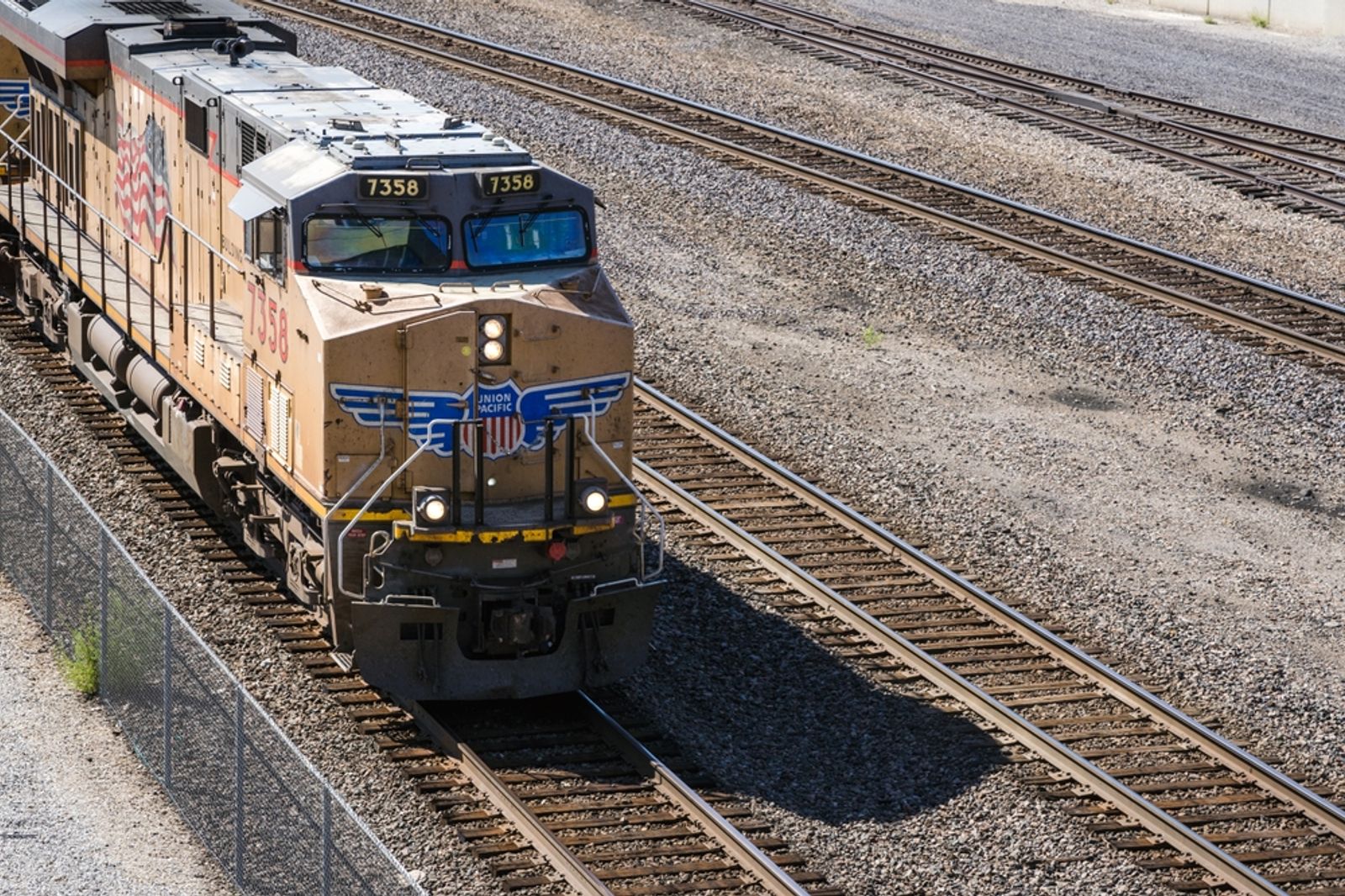
Derailment refers to the event when a train goes off its designated tracks, which can occur for various reasons. Understanding the nuances of derailment is essential to improving rail safety and transportation efficiency. According to industry studies, Derailment can lead to severe operational disruptions, economic losses, and environmental repercussions. This section will examine its definition, the types of derailment, common causes, and the impact on rail transport systems globally.
1.1 Definition and Types of Derailment
In simplest terms, derailment occurs when a train moves off its tracks. There are several types of derailment, each classified by the context surrounding its occurrence.
- Track-related derailment: This occurs due to faults in the railway infrastructure, such as rail breaks or track misalignment.
- Equipment-related derailment: This involves failures in the train’s operational components, including wheels or brakes.
- Human-related derailment: Errors made by crew members during operation, like misjudgment or miscommunication, contribute to this type.
Understanding these types helps in identifying specific causes and implementing more effective prevention strategies.
1.2 Common Causes of Derailment
Derailments can result from a combination of various factors, including:
- Poor track conditions: Track damage, such as fractures or misalignments, significantly increases derailment risk.
- Mechanical failures: Issues with train components, including brakes, wheels, or couplings, can lead to derailment.
- Environmental factors: Weather conditions such as heavy rain, snow, or flooding can damage tracks and impact train stability.
- Human error: Mistakes in judgment, such as inappropriate speed and failure to adequately respond to signals, greatly affect safety.
Awareness of these causes fosters a proactive approach to safety and maintenance in rail transport.
1.3 Impact on Rail Transport Systems
The consequences of derailment on rail transport systems extend far beyond the immediate event. Disruptions can result in not only financial losses but also severe impacts on public safety and environmental health:
- Service Disruptions: Delays in cargo and passenger transport can cripple supply chains and affect daily commuters.
- Financial repercussions: The costs related to recovery, damages, and compensation can accumulate rapidly.
- Reputational damage: Frequent derailments can hinder public trust in rail services, leading to decreased ridership.
- Environmental impact: Derailments involving hazardous materials can cause spills, resulting in long-term ecological damage.
2. Analyzing the Causes of Derailment
A more in-depth analysis of the causes of derailment provides insights that can drive effective preventive measures. This section delves into three crucial aspects: human errors, mechanical failures, and environmental factors.
2.1 Human Errors Leading to Derailment
Human error is a significant contributor to derailment incidents. Various mistakes can occur, including:
- Miscommunication: Poor communication between crew members can lead to misinterpretation of signals.
- Inadequate training: Insufficiently trained personnel may make critical errors in judgment.
- Negligence: Failing to adhere to safety protocols can prove catastrophic.
Timely interventions such as training programs and standardized communication protocols can help mitigate human-related derailments.
2.2 Mechanical Failures and Rail Conditions
Mechanical failures contribute heavily to derailment risks. They can include:
- Equipment wear and tear: Aging locomotives and rolling stock that lack proper maintenance can malfunction.
- Track maintenance issues: Regular inspections and repairs are crucial in preventing track-related derailments.
- Inadequate technology: Legacy systems may not provide real-time data to predict and prevent failures.
Regular maintenance and upgrades of both equipment and infrastructure are essential in addressing these failures.
2.3 Environmental Factors Influencing Safety
Environmental factors pose serious risks to rail safety. These factors include:
- Weather conditions: Rain, snow, and ice can degrade track conditions and create hazards for trains.
- Natural disasters: Flooding and landslides can obstruct tracks, leading to potential derailments.
- Terrain: Curves and grades in track alignment can further complicate matters if not properly designed.
Mitigation measures must include enhanced monitoring and adaptable safety protocols to ensure robust safety during adverse conditions.
3. The Consequences of Derailment
Derailment poses various consequences that ripple through many facets of society. The following subsections will discuss the economic impact, potential safety risks, and environmental damage associated with derailments.
3.1 Economic Impact and Financial Losses
The economic fallout from derailments can be staggering and multifaceted:
- Direct costs: These include the expenses of wreck recovery, damage repair, and compensation.
- Indirect costs: Lost economic opportunities due to disrupted logistics and delays impact businesses reliant on rail transport.
- Insurance implications: Frequent derailments can lead to increased insurance premiums and liabilities for rail companies.
It becomes evident that the financial stakes necessitate a concerted effort toward enhancing rail safety.
3.2 Safety Risks to Personnel and Civilians
The human cost of derailment extends beyond monetary losses:
- Injuries and fatalities: Accidents can result in severe injuries or loss of life for both rail workers and civilians.
- Long-term health effects: Exposure to hazardous materials during a derailment can impact public health.
- Psychological impact: Survivors may experience long-lasting trauma, affecting their quality of life.
Addressing safety is paramount to preserving human life and maintaining public trust in rail transport systems.
3.3 Environmental Damage Following Derailment
Derailment often has immediate and long-term environmental repercussions:
- Pollution: Spills of hazardous materials can contaminate soil and waterways, posing a risk to ecosystems.
- Ecological disruption: Wildlife habitats can be severely impacted, creating a long-term imbalance.
- Resource exploitation: Recovery efforts can lead to further environmental degradation through resource extraction.
Mitigating these impacts requires comprehensive risk management strategies to manage both immediate responses and long-term rehabilitation.
4. Prevention Strategies to Mitigate Derailment
Proactive prevention strategies are essential in minimizing derailment risks. This section explores regular maintenance practices, technology solutions, and training protocols.
4.1 Regular Maintenance and Inspections
Regular maintenance is pivotal in rail safety. Recommended practices include:
- Routine inspections: Scheduled checks on tracks and equipment to identify vulnerabilities.
- Predictive maintenance: Using data analytics to forecast and address potential failures before they occur.
- Emergency response drills: Preparation for quick action in the event of a derailment, including rapid assessment teams.
Implementing these measures fosters a more resilient rail infrastructure.
4.2 Technology Solutions and Innovations
The role of technology cannot be overstated when preventing derailment. Emerging innovations include:
- Track monitoring systems: Sensors that provide real-time data on track conditions and structural integrity.
- Automated train control systems: Systems that optimize speed and braking to prevent human errors.
- Predictive analytics: Leveraging big data to anticipate risks and address them proactively.
Integrating advanced technologies into rail systems enhances overall safety and operational efficiency.
4.3 Training and Safety Protocols for Crew
Ultimately, a well-prepared crew is critical in maintaining safety. Essential training and protocols include:
- Safety drills: Regularly scheduled training sessions to prepare for emergencies.
- Critical thinking courses: Training that emphasizes decision-making under pressure.
- Incident analysis workshops: Reviews of past derailments to identify lessons learned.
Continuous education fosters a culture of safety and prevention among rail personnel.
5. Future Outlook and Innovations in Derailment Prevention
As we look to the future, several trends and innovations are shaping the landscape of rail safety and derailment prevention. This section explores advances in technology, best practices from around the globe, and evolving safety regulations.
5.1 Advances in Rail Technology
Emerging technologies promise to revolutionize rail safety. Some key advancements include:
- Smart rail systems: Using AI and machine learning to optimize switching and signaling.
- Robotic inspections: Employing drones and robots for 24/7 surveillance of rail infrastructure.
- Predictive maintenance tools: Tools that analyze historical performance data to predict failures.
These innovations hold the potential to drastically reduce derailment incidents.
5.2 Best Practices in Global Rail Systems
Learning from global best practices can enhance safety standards. Successful strategies include:
- Collaborative safety programs: Engaging various stakeholders in risk management, from government to private companies.
- Comprehensive training programs: Adopting robust training frameworks to enhance staff competency.
- Investing in infrastructure: Allocating sufficient funds for the timely maintenance and upgrades of rail systems.
Emphasizing these practices can foster a safer operational environment.
5.3 Key Trends in Safety Regulations
Government regulations play a crucial role in ensuring rail safety. Current trends highlight:
- Stricter safety requirements: Enhanced regulations for both rail companies and maintenance operations.
- Increased transparency: Requirements for public reporting on safety incidents and maintenance protocols.
- Periodic audits: Mandatory evaluations to ensure compliance with new and existing safety standards.
These trends indicate a growing commitment to safety within the rail sector, ensuring that derailment prevention remains a top priority.
FAQs About Derailment
1. What causes a train derailment?
Derailments can occur due to poor track conditions, mechanical failures, human errors, or adverse weather. Understanding these factors helps prevent future incidents.
2. How can train derailments be prevented?
Prevention strategies include routine maintenance, the adoption of advanced technologies, staff training, and robust safety protocols to address potential risks.
3. What are the environmental effects of derailment?
Derailments can lead to pollution, habitat destruction, and long-term ecological damage, particularly when hazardous materials are involved.
4. Are rail companies liable for derailments?
Yes, rail companies can be held liable for damages resulting from derailments, especially if negligence or failure to follow safety regulations is proven.
5. What role does technology play in improving rail safety?
Emerging technologies, such as predictive analytics and real-time monitoring systems, enhance rail safety by anticipating and addressing potential derailment risks before they occur.