
Urban areas worldwide are increasingly facing the challenges of managing stormwater efficiently. With rapid urbanization, impermeable surfaces like roads, parking lots, and rooftops prevent rainwater from naturally infiltrating the soil, resulting in surface runoff, flooding, and water pollution. To address these challenges, underground stormwater modules have emerged as a crucial solution for sustainable drainage systems (SuDS). These innovative modules offer a practical, space-saving method to manage and control stormwater, enhancing both environmental and urban resilience.
What Are Underground Stormwater Modules?
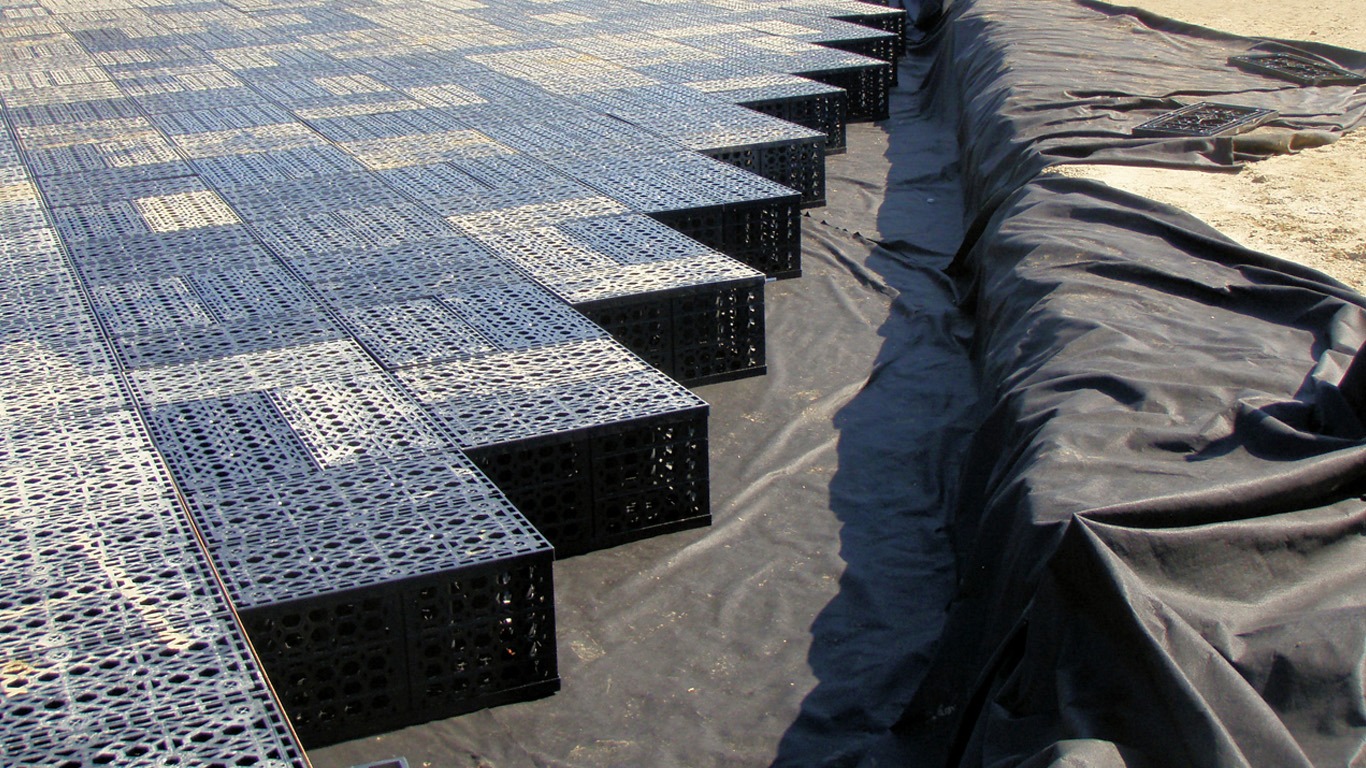
Underground stormwater modules are engineered structures installed beneath the ground to temporarily store and convey stormwater. These modules are typically constructed from high-strength plastic or concrete, designed to be durable, modular, and easy to install. Their interlocking design allows for the creation of large subsurface storage systems that can manage significant volumes of water without disrupting surface activities. Unlike traditional drainage solutions, underground stormwater modules maximize storage capacity while occupying minimal above-ground space, making them ideal for urban environments where space is limited.
Advantages of Using Underground Stormwater Modules
The adoption of underground stormwater modules offers multiple advantages for sustainable drainage systems:
- Flood Mitigation: By temporarily storing excess stormwater, underground stormwater modules reduce the risk of flooding during heavy rainfall events. This is especially important in urban areas prone to flash floods.
- Water Quality Improvement: These modules can be integrated with filtration systems to remove debris and pollutants from stormwater, contributing to cleaner water discharge into rivers and groundwater systems.
- Space Efficiency: Unlike traditional open ponds or detention basins, underground stormwater modules occupy little to no surface space, allowing the land above to be used for parks, roads, or buildings.
- Durability and Low Maintenance: Made from robust materials, underground stormwater modules are resistant to corrosion and structural failure, requiring minimal maintenance over their lifespan.
- Scalability: These modules can be combined to form larger storage networks, making them suitable for small residential projects or extensive commercial developments.
Applications of Underground Stormwater Modules
Underground stormwater modules are highly versatile and can be applied in various urban and industrial scenarios:
- Residential Developments: Homeowners and property developers use these modules to manage roof runoff, driveway water, and neighborhood surface drainage.
- Commercial Spaces: Shopping centers, office complexes, and parking lots benefit from underground stormwater modules by controlling runoff and preventing flooding in high-traffic areas.
- Public Infrastructure: Cities incorporate underground stormwater modules beneath roads, parks, and public spaces to manage rainwater while maintaining aesthetic and functional land use.
- Industrial Sites: Factories and warehouses employ these modules to handle large volumes of runoff and prevent contamination of nearby water sources.
Design Considerations for Underground Stormwater Modules
To maximize efficiency, several design factors should be considered when implementing underground stormwater modules:
- Hydraulic Capacity: Modules must be sized according to local rainfall patterns, catchment area, and anticipated peak flow rates.
- Soil Conditions: Understanding soil type and permeability is essential for determining module placement and drainage efficiency.
- Maintenance Access: Designs should include accessible inspection points to ensure the modules remain free from blockages and sediment buildup.
- Integration with Other SuDS Features: Combining underground stormwater modules with green roofs, permeable pavements, and bio-retention systems can enhance overall drainage performance.
Installation and Maintenance
Installing underground stormwater modules involves careful excavation, leveling, and placement of the modular units. Modules are typically laid on a gravel bed, connected, and covered with geotextile fabric to prevent sediment infiltration. Proper backfilling ensures structural stability and longevity. Maintenance is generally straightforward, focusing on periodic inspections and clearing of debris from inlet and outlet points. Because underground stormwater modules are designed to be durable, they provide long-term stormwater management with minimal intervention.
Sustainability Benefits
Integrating underground stormwater modules into urban planning supports sustainability in multiple ways:
- Groundwater Recharge: Stored water can slowly infiltrate into the ground, replenishing aquifers.
- Reduced Urban Heat Island Effect: By minimizing the need for large surface basins, these modules allow green spaces to thrive above, helping to cool urban environments.
- Climate Resilience: As extreme weather events become more frequent, underground stormwater modules provide cities with adaptable and robust stormwater solutions.
Conclusion
Underground stormwater modules are revolutionizing the way cities and developments manage rainwater, offering a compact, efficient, and sustainable solution for drainage challenges. By temporarily storing runoff, improving water quality, and integrating seamlessly into urban landscapes, these modules enhance both environmental protection and flood resilience. Their versatility, durability, and low maintenance make them a preferred choice for residential, commercial, and industrial applications, ensuring that sustainable drainage systems can meet the demands of growing urban populations. As the need for effective stormwater management continues to rise, the strategic use of underground stormwater modules will play an essential role in creating resilient, sustainable, and livable cities for the future.