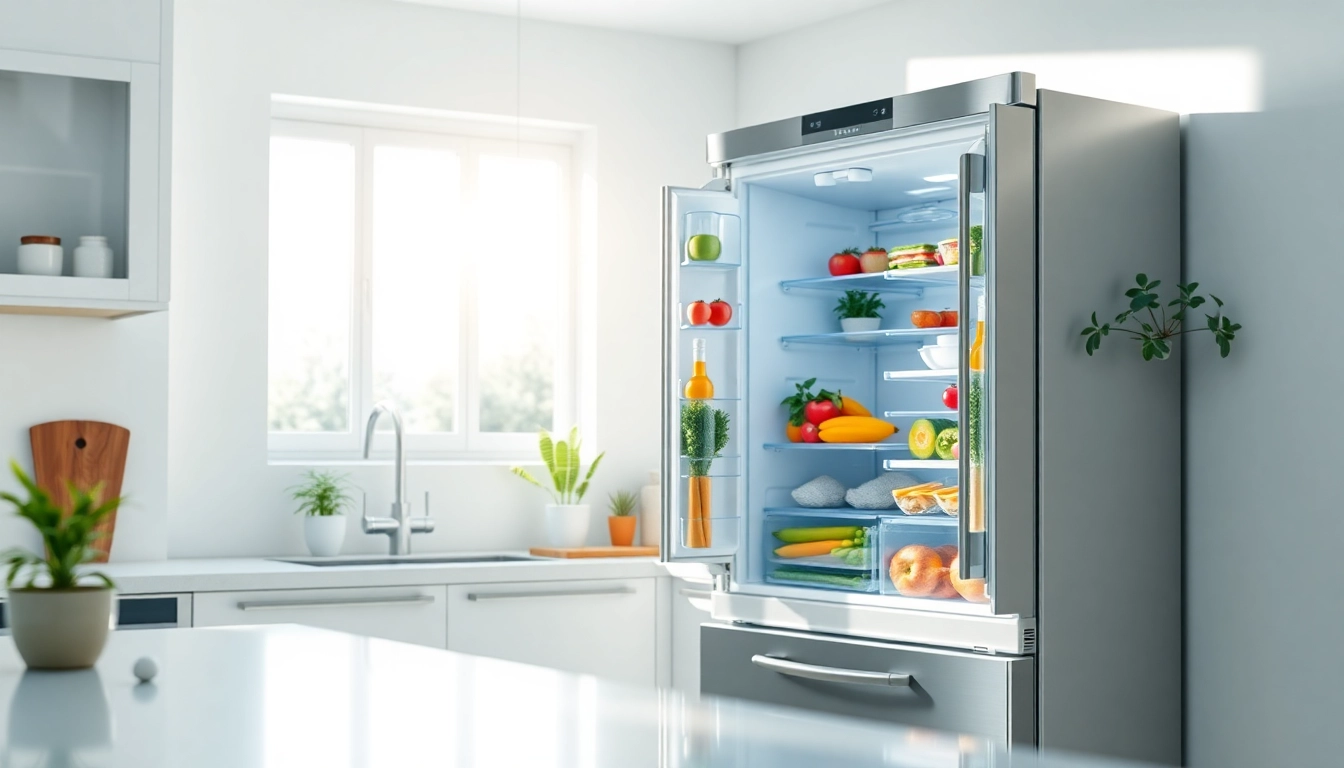
Understanding Different Types of Refrigerators
When it comes to choosing a Refrigerator, it’s essential to understand the various types available on the market today. Each type has its own set of features, benefits, and drawbacks, which can significantly impact your kitchen and lifestyle. This guide will walk you through the most popular refrigerator styles and help you determine which one is best for your home.
Top-Freezer Refrigerator: Pros and Cons
The top-freezer refrigerator is one of the classic designs that has remained popular for decades. Featuring a freezer compartment at the top, these units typically provide a larger fresh food section below. Here are some pros and cons to consider:
- Generally more affordable than other styles.
- Offers ample storage for both fresh and frozen foods.
- Easy access to fresh food, which is often more frequently used.
- Freezer may require bending down to access.
- Less energy-efficient compared to some modern designs.
- Limited shelf space, which can affect storage flexibility.
Bottom-Freezer Refrigerator: Benefits
Bottom-freezer refrigerators flip the traditional design on its head. With the freezer located at the bottom, these models provide several advantages:
- More ergonomic design, allowing easier access to fresh food.
- Often contain pull-out drawers for the freezer, improving organization.
- Generally more energy-efficient options available.
They blend convenience with style, making them an excellent choice for modern kitchens.
Side-by-Side Refrigerator: Features Explained
Side-by-side refrigerators provide a distinct layout with the fresh food compartment on one side and the freezer compartment on the other. Here are some notable features:
- Convenient Storage: Allows for easy access to both fresh and frozen items without bending down.
- Water and Ice Dispenser: Many models come equipped with built-in water and ice dispensers, making it easy to hydrate and entertain.
- Sleek Design: Typically offer a modern aesthetic that fits well in contemporary kitchen designs.
However, they may offer less overall storage capacity compared to other styles.
Key Features to Consider When Buying a Refrigerator
Investing in a new refrigerator is a significant decision that goes beyond style—it involves understanding key features that pop up in today's appliances. Here are critical features to evaluate:
Energy Efficiency Ratings: Saving Money
Energy efficiency is one of the most critical factors when selecting a refrigerator. Look for Energy Star-rated models, which consume significantly less electricity compared to non-rated options. This not only reduces your carbon footprint but also leads to lower utility bills over time.
Storage Solutions: Organizing Your Food
Effective storage solutions can optimize your refrigerator’s capacity. Consider models with adjustable shelves, humidity-controlled drawers, and door bins that accommodate large bottles or jars. Thoughtful design can prevent spills, odors, and food waste.
Smart Technology: Is It Necessary?
Smart refrigerators come equipped with technology that connects via Wi-Fi, enabling remote monitoring and management through smartphones. While these features can offer convenience—like food inventory management or alerts when temperatures fluctuate—they may not be essential for everyone. Assess if you truly need such features based on your lifestyle.
Maintenance Tips to Extend Refrigerator Lifespan
Maintaining your refrigerator properly can prolong its life and efficiency. Here are crucial maintenance tips:
Regular Cleaning: Simple Steps
Regular cleaning is vital not only for hygiene but for efficiency. Clean the interior shelves and walls at least monthly and ensure that the condenser coils are free from dust and dirt, which can hinder performance.
Temperature Settings: Optimal Ranges
Setting the right temperatures is essential for food safety and appliance longevity. The ideal refrigerator temperature is between 37°F (3°C) and 40°F (4°C), while the freezer should be set to 0°F (-18°C). Regularly check these temperatures to ensure your unit is operating efficiently.
Common Repairs: When to Call a Professional
Awareness of potential issues can also help extend your refrigerator's life. Signs such as unusual noises, leaks, or failing cooling should prompt you to seek professional assistance. Timely repairs can prevent more significant damage and costs down the road.
Finding the Right Fit for Your Kitchen
Selecting the perfect refrigerator also involves considering the kitchen layout and your specific needs. Here’s how to find the right fit:
Measuring Your Space: Important Dimensions
Before purchasing a new refrigerator, accurately measure the space it will occupy, considering height, width, and depth. Ensure there's enough clearance for proper ventilation, opening doors, and other functionalities.
Aesthetic Choices: Matching Your Decor
Your refrigerator should complement your kitchen's overall design. Options range from stainless steel finishes that offer a modern look to classic white or black models that may better suit a traditional space. Additionally, consider the layout and color scheme to achieve harmony in your kitchen.
Budgeting: What Should You Expect to Pay?
The price of a refrigerator can vary significantly based on features, size, and brand. Standard top-freezer models generally range from $400 to $800, while higher-end models with advanced features can start at around $1,200. Having a budget in mind will help narrow down the best options without overspending.
FAQs About Refrigerators
What is the average lifespan of a Refrigerator?
The average lifespan of a refrigerator is around 10 to 20 years, depending on the brand, model, and maintenance.
How often should I clean my Refrigerator?
It is advisable to clean your refrigerator monthly to maintain hygiene and efficiency, focusing on spills and expired items.
What size Refrigerator do I need for my family?
A family of 4 typically requires a refrigerator with a capacity of at least 18 to 25 cubic feet. Adjust based on dietary habits and lifestyles.
Can I repair my Refrigerator myself?
Some minor repairs, like replacing filters, can be DIY. However, significant issues should be handled by certified professionals to ensure safety.
What features increase a Refrigerator’s energy efficiency?
Look for features like Energy Star certification, LED lighting, and multi-airflow systems that help to maintain consistent temperature and lower energy consumption.