Understanding Marginal Pond Plants
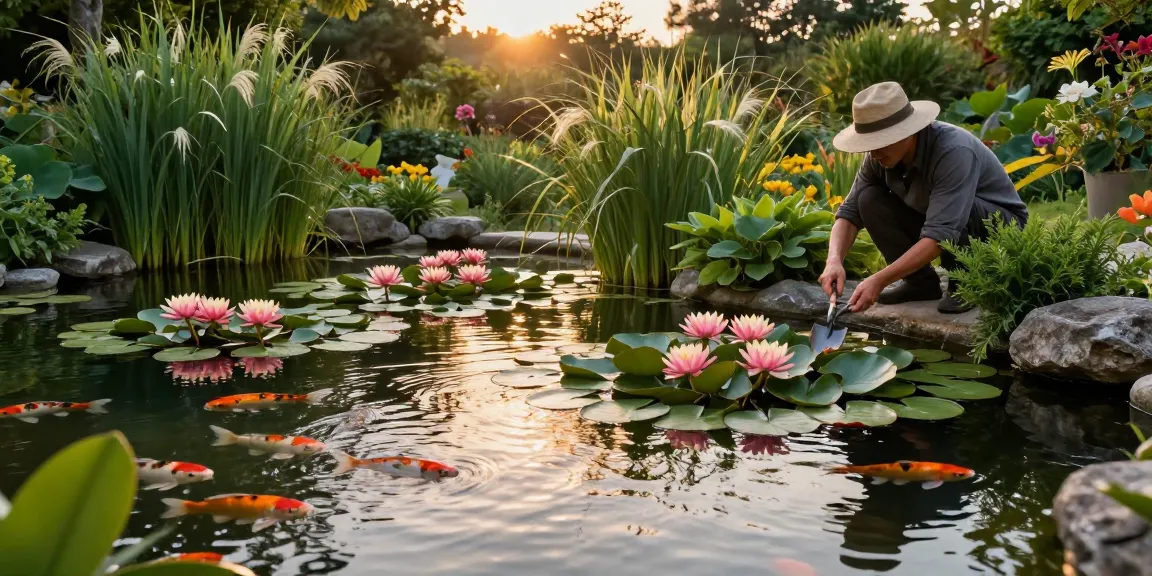
Marginal pond plants are an essential component of aquatic ecosystems, providing a range of benefits that contribute to the health and beauty of your pond. These plants thrive at the edges of water bodies, occupying zones where the water meets the land. This unique positioning enables them to play crucial roles in water filtration, habitat creation, and aesthetic enhancement. When exploring options, Marginal Pond Plants can offer a diverse array of species suited to various conditions and preferences.
What Are Marginal Pond Plants?
Marginal pond plants refer to those species that grow in the shallow areas surrounding ponds, lakes, and streams. Typically, these plants have roots submerged in water while their stems and leaves extend above the surface, creating a lush green border that enhances the visual appeal of the water body. They occupy the zone between fully aquatic plants and terrestrial vegetation, serving as a transition area that is vital for both local wildlife and plant diversity.
Importance of Marginal Plants in Aquatic Ecosystems
Marginal plants play several key roles in aquatic ecosystems, including:
- Water Filtration: They help filter pollutants from the water, improving overall water quality.
- Habitat Creation: Marginal plants provide essential habitats for various species, including insects, amphibians, and birds, thus promoting biodiversity.
- Soil Stabilization: The root systems of these plants help anchor soil, preventing erosion along the banks of ponds and lakes.
- Shade and Temperature Control: By providing shade, they help regulate water temperature, creating a more suitable environment for aquatic life.
Common Types of Marginal Pond Plants
There are numerous types of marginal pond plants that can be used to enhance your pond ecosystem. Some popular choices include:
- Reed Canary Grass (Phalaris arundinacea): This robust plant thrives in wet environments and is great for attracting wildlife.
- Pickerel Rush (Pontederia cordata): With its striking blue flowers, it is not only beautiful but also beneficial for attracting pollinators.
- Marsh Marigold (Caltha palustris): An early bloomer that adds vibrant yellow flowers and thrives in wet conditions.
- Japanese Iris (Iris ensata): Known for its stunning blooms, this plant thrives in shallow water and adds aesthetic value.
Benefits of Using Marginal Pond Plants
Enhancing Biodiversity in Your Pond
One of the most significant benefits of incorporating marginal pond plants into your water garden is the enhancement of biodiversity. These plants provide essential habitat and food sources for various wildlife, including birds, frogs, and beneficial insects. By introducing a mix of native and non-invasive species, you can create a thriving ecosystem that supports a variety of wildlife and encourages ecological balance.
Improving Water Quality with Marginals
Marginal plants contribute to better water quality in several ways. Their extensive root systems absorb excess nutrients such as nitrogen and phosphorus, which can lead to algae blooms if left unchecked. By acting as natural filters, these plants help maintain clear water and promote a healthier aquatic environment for fish and other organisms.
Creating Aesthetic Appeal in Garden Ponds
Beyond their ecological benefits, marginal plants add beauty and character to garden ponds. By combining different species, you can create layers of texture, color, and height that visually enhance the landscape. The vibrant flowers, lush foliage, and unique shapes of marginal plants provide year-round interest, making your pond a focal point in your garden.
How to Choose the Right Marginal Pond Plants
Factors to Consider: Climate and Environment
When selecting marginal pond plants, it's essential to consider your local climate and environmental conditions. Some plants thrive in cooler temperatures, while others prefer warmer climates. Additionally, assess your pond's exposure to sunlight and wind, as these factors can impact plant choice. Native species are often a safe bet as they are adapted to local conditions and support local wildlife.
Selecting Plants Based on Pond Depth
The depth of your pond plays a crucial role in determining which marginal plants to choose. Typically, these plants grow best in shallow waters where the depth ranges from just a few inches to about a foot. Consider creating planting zones at varying depths to accommodate different species, providing both diversity and a more natural aesthetic.
Combining Colors and Textures for Visual Impact
To achieve a visually appealing garden pond, consider combining various plant species with different colors, leaf shapes, and heights. For instance, pairing tall, grass-like plants with shorter flowering varieties can create a dynamic and layered effect. Use contrasting leaf textures and colors to draw the eye and create focal points around the pond.
Planting and Maintaining Your Marginal Pond Plants
Step-by-Step Guide to Planting
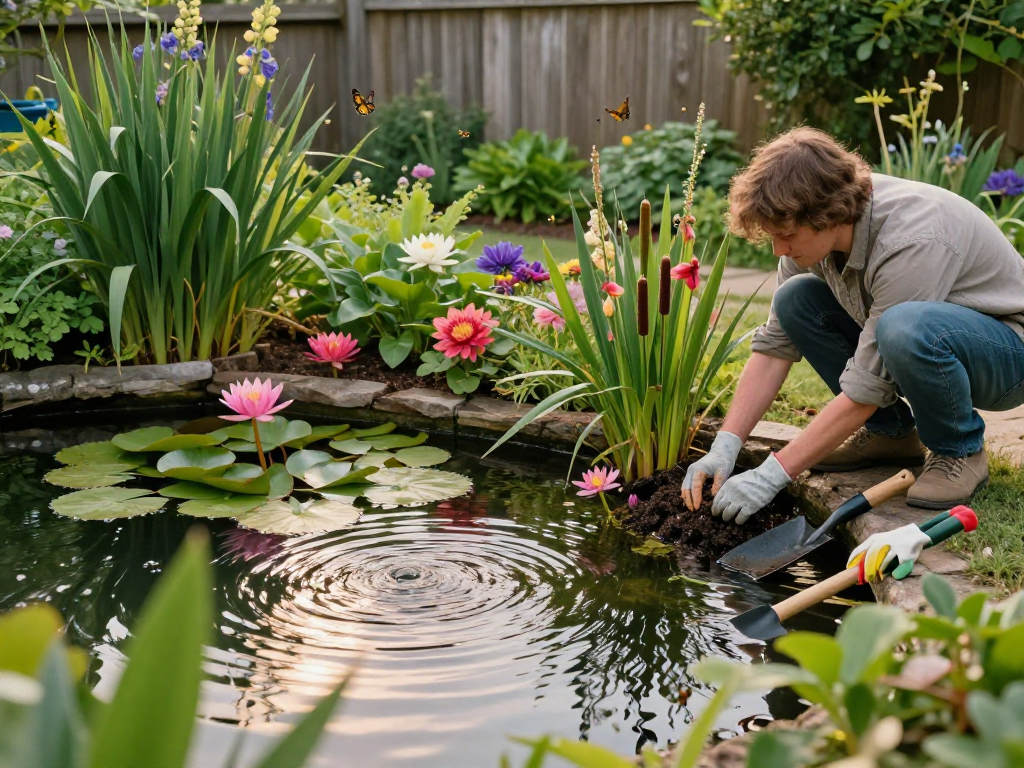
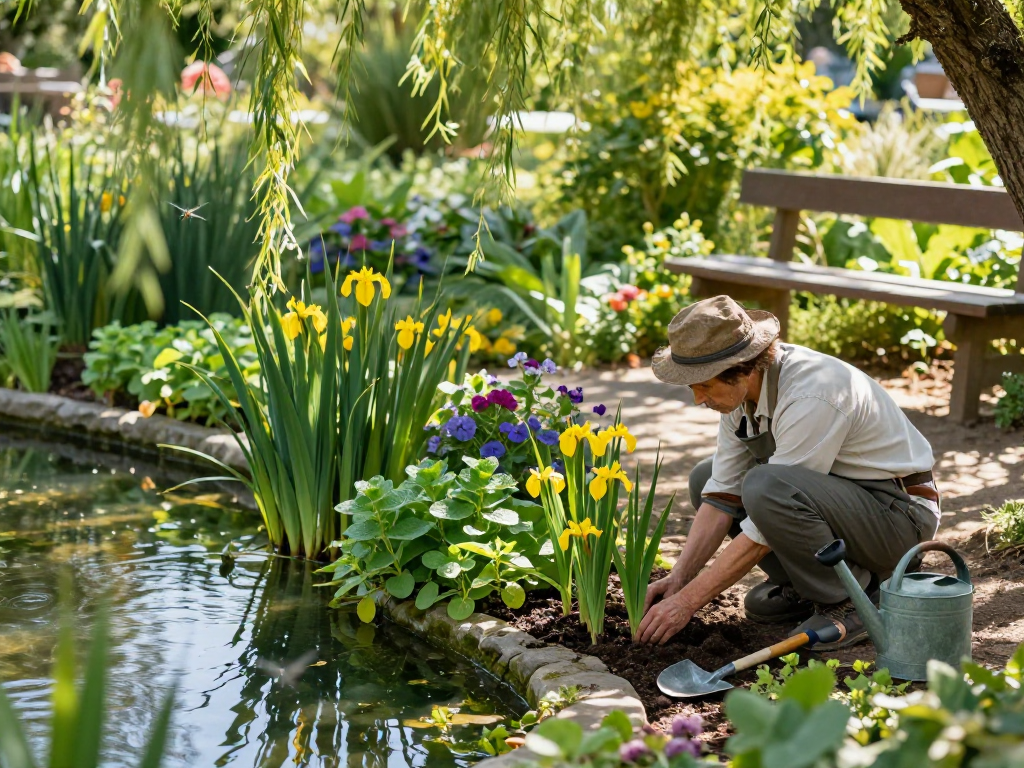
Planting marginal pond plants requires careful attention to detail to ensure their successful establishment. Follow these steps:
- Preparation: Clear the planting area of debris and weeds. Ensure the soil is moist, but not waterlogged.
- Choose Your Plants: Select the appropriate species based on depth and environmental conditions.
- Planting: Dig a hole wide enough to accommodate the plant's roots and place the plant at the right depth, ensuring the crown is just above the soil.
- Watering: Water the plants thoroughly after planting to eliminate any air pockets in the soil.
- Mulching: Apply a layer of mulch around the plants to retain moisture and suppress weed growth.
Maintenance Tips for Healthy Growth
To ensure your marginal pond plants thrive, consider the following maintenance tips:
- Regularly monitor water levels, especially during dry spells, and replenish as necessary.
- Remove any dead or decaying plant material to prevent water quality issues.
- Fertilize sparingly to avoid nutrient overload, opting for slow-release organic fertilizers when needed.
- Conduct periodic checks for pests or diseases and take action promptly if any issues arise.
Common Challenges and Solutions
While growing marginal pond plants can be rewarding, challenges may arise. Here are some common issues and their solutions:
- Algae Growth: This can be mitigated by ensuring a balance of plants to absorb excess nutrients and by maintaining adequate water circulation.
- Overcrowding: Some plants can become invasive; regularly prune and thin out plants to maintain balance and ensure adequate growth space.
- Winter Care: In colder climates, protect sensitive species from frost by either moving them to deeper water or insulating them.
Future Trends in Water Gardening (2026 and Beyond)
Innovative Techniques in Aquatic Plant Care
As gardening practices evolve, so do the methods for caring for marginal pond plants. Techniques such as aquaponics and hydroponics are gaining popularity, allowing gardeners to create self-sustaining systems that recycle nutrients and water effectively. Furthermore, advancements in technology, such as smart sensors to monitor water quality, are becoming more accessible, allowing for more precise care.
Environmental Trends Impacting Pond Ecosystems
Climate change and urbanization are significant trends influencing pond ecosystems. As temperatures fluctuate and weather patterns change, gardeners must adapt their plant choices and care techniques to sustain vibrant ecosystems. Emphasizing native plants and implementing sustainable gardening practices can contribute to a healthier environment.
Advancements in Sustainable Gardening Practices
In the coming years, sustainable gardening practices will likely play a pivotal role in water gardening. This includes using organic methods for pest control, composting, and employing water-efficient gardening techniques. As awareness of environmental issues grows, the demand for sustainable gardening solutions, particularly in pond management, will expand.
What types of marginal pond plants are best for wildlife?
Many marginal pond plants are excellent for supporting wildlife. Native species often attract local birds, insects, and amphibians, contributing to a balanced ecosystem. Consider planting species like marsh marigold or bulrush to provide food and habitat for various species.
How can I prevent algae growth in my pond?
Preventing algae growth can be achieved by balancing nutrient levels and ensuring adequate competition from marginal plants. Incorporating shade-providing plants can also help, as algae thrive in sunlight.
What are the best planting techniques for marginal plants?
Use proper depth and spacing when planting to ensure that marginal plants have room to grow without overcrowding. Following a step-by-step planting guide will help establish healthy root systems and promote robust growth.
How do I choose plants for different pond depths?
Consider your pond's depth zones when selecting plants. Use taller species for areas with deeper water and shorter varieties for shallower zones. Research individual species requirements for optimal placement.
What maintenance do marginal pond plants require?
Marginal plants generally require regular watering, monitoring for pests, and occasional pruning to maintain healthy growth. Ensure that the plants have sufficient nutrients without over-fertilizing.