
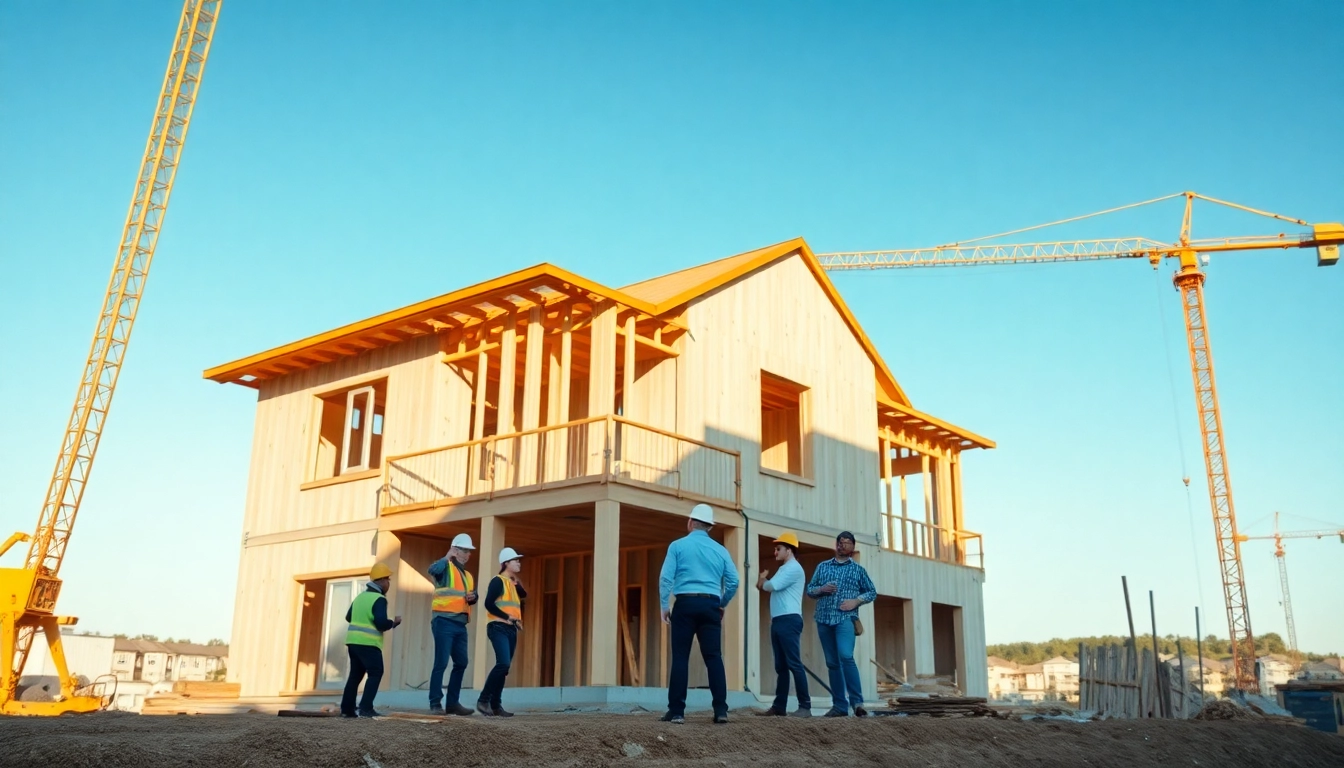
Understanding the Role of Residential Building Developer
What Is a Residential Building Developer?
A residential building developer is a professional responsible for overseeing the construction and development of residential properties. This can include single-family homes, townhouses, condos, and multi-family units. Their primary goal is to transform raw land into livable and desirable neighborhoods, aligning their projects with market demands, community needs, and urban planning regulations.
Main Responsibilities and Functions
Residential building developers carry a wide range of responsibilities from the initial phase of project conceptualization to the final completion of the construction. The key functions include:
- Site Analysis and Land Acquisition: Developers analyze potential land sites by considering location, zoning laws, and market trends. Land acquisition is crucial as it sets the foundation for any development project.
- Design and Planning: Collaborating with architects and urban planners, developers help draft the designs that match the project vision and comply with local regulations.
- Financial Management: This involves obtaining financing, preparing budgets, and managing costs throughout the project to ensure profitability.
- Project Management: Developers supervise the construction process, coordinating schedules, contractors, and subcontractors, while ensuring high quality and compliance with safety standards.
- Marketing and Sales: Once construction is completed, developers often engage in marketing the properties to potential buyers or investors.
Key Skills Required for Success
To excel as a residential building developer, one must possess a blend of technical, analytical, and interpersonal skills:
- Analytical Skills: The ability to evaluate market trends, financial metrics, and feasibility analyses to make informed decisions.
- Negotiation Skills: Developers often negotiate with landowners, contractors, and local authorities to secure the best deals and permits.
- Project Management: Effective oversight of the entire development process, ensuring adherence to timelines and budgets.
- Leadership: Strong leadership skills to manage teams, encourage collaboration, and drive projects to completion.
- Knowledge of Building Codes and Regulations: Understanding local laws and regulations is essential for compliance and successful project development.
Choosing the Right Location for Development
Factors Influencing Site Selection
Selecting the right location for a residential project is one of the most critical decisions a developer can make. Key factors include:
- Demographics: Understanding population trends, age distribution, and income levels can inform the type of housing needed in an area.
- Accessibility: Proximity to schools, workplaces, and public transportation significantly impacts desirability.
- Environmental Considerations: Assessing natural features, flood zones, and environmental impact can affect development feasibility and sustainability.
- Local Amenities: The availability of parks, shopping areas, and recreational facilities are attractive factors for potential homeowners.
Analyzing Market Demand
Conducting a thorough market analysis helps developers understand buyer preferences, housing demands, and price points. Utilizing tools like surveys, competitor analysis, and real estate trends can provide valuable insights. Identifying the target demographic, such as young professionals or families, will guide the design and pricing of properties.
Understanding Local Regulations and Zoning
Knowledge of local zoning laws and building codes is vital to ensure compliance. Developers must navigate different zoning classifications, which dictate land use, height restrictions, setback regulations, and density limits. Engaging with local government early in the planning process can facilitate smoother project execution.
Innovative Design Trends in Residential Building
Emphasizing Sustainable Building Practices
In recent years, sustainability has become a significant focus in residential development. Builders are increasingly adopting eco-friendly practices such as:
- Energy-Efficient Designs: Incorporating features that reduce energy consumption, such as insulated windows, solar panels, and energy-efficient appliances.
- Green Building Materials: Utilizing recycled or sustainably sourced materials helps reduce environmental impact.
- Water Conservation Techniques: Implementing systems like rainwater harvesting and drought-resistant landscaping to manage water resources effectively.
Incorporating Modern Aesthetics
Today’s buyers often seek homes that are not only functional but also visually appealing. Modern design aesthetics emphasize:
- Open Floor Plans: These layouts improve flow and use space efficiently, catering to the preferences of contemporary homeowners.
- Natural Light: Strategic placement of windows and skylights enhances the home’s connection with its environment.
- Minimalist Style: A focus on clean lines and simplicity aligns with the tastes of younger generations, making properties more attractive.
Adapting to Lifestyle Changes
As lifestyles evolve, developers must adapt their designs to meet the changing needs of residents. Trends such as remote work setups, increased outdoor living spaces, and multifunctional rooms have emerged as key considerations in new residential projects. Developers should take feedback and conduct market research to anticipate and respond to these emerging lifestyle changes.
Financing Your Residential Building Projects
Understanding Funding Options
Securing financing for residential projects can come from various sources, including:
- Bank Loans: Traditional commercial loans are a common funding avenue for developers, requiring solid business plans and financial projections.
- Private Investors: Engaging private investors or firms can provide additional capital, though equity sharing typically occurs.
- Government Grants and Subsidies: Some local governments offer grants for affordable housing initiatives or green building projects.
Creating Accurate Budget Plans
Budgeting is a critical aspect of the development process. Developers should create comprehensive budget plans that detail land acquisition, construction costs, labor, permits, and unforeseen expenses. Involving a financial analyst in the budgeting process can enhance accuracy and overall project viability.
Managing Financial Risks Effectively
Risk management is vital throughout the development process. Developers must assess potential risks such as market fluctuations, construction delays, and legal complexities. Employing strategies like diversification of projects, maintaining adequate reserves, and investing in insurance can mitigate financial risks and safeguard investments.
Navigating Challenges as a Residential Building Developer
Dealing with Supply Chain Issues
Recent years have highlighted the impact of supply chain disruptions on the construction industry. Developers should establish strong relationships with multiple suppliers and proactive inventory management to minimize delays. Staying informed about market trends and potential shortages can help developers navigate unexpected challenges efficiently.
Overcoming Regulatory Hurdles
Navigating the complex landscape of local regulations and approvals can be daunting for developers. Early engagement with municipal planners and regulatory agencies can streamline the approval processes. Furthermore, fulfilling all documentation and compliance measures ahead of time can mitigate potential roadblocks.
Maintaining Client Relationships
Building and maintaining strong relationships with clients is essential for successful residential development. Keeping open lines of communication, managing expectations clearly, and providing regular updates on project progress fosters trust and satisfaction. Developers should prioritize customer service throughout the entire development process.
Frequently Asked Questions
What is the typical timeline for a residential building project?
The timeline varies widely based on project size and scope. Typically, residential building projects can take anywhere from several months to a few years to complete, depending on design, approvals, and construction schedules.
What are the most critical financial metrics to track?
Important financial metrics for developers include profit margins, return on investment (ROI), cost per square foot, and cash flow. Regular tracking helps in assessing financial health and project viability.
How can I ensure sustainable building practices?
To ensure sustainability, utilize green building materials, embrace energy-efficient designs, and adhere to environmentally friendly construction practices. Consulting with sustainability experts can provide additional insights.
What should I consider when choosing contractors?
When selecting contractors, evaluate their experience, reputation, references, and financial stability. Clear communication and alignment on project goals are vital for success.
How do I handle unexpected challenges during development?
Being proactive is key. Establish contingency plans, ensure flexibility in budgeting, and maintain open communication with your team to adapt to unexpected challenges efficiently.