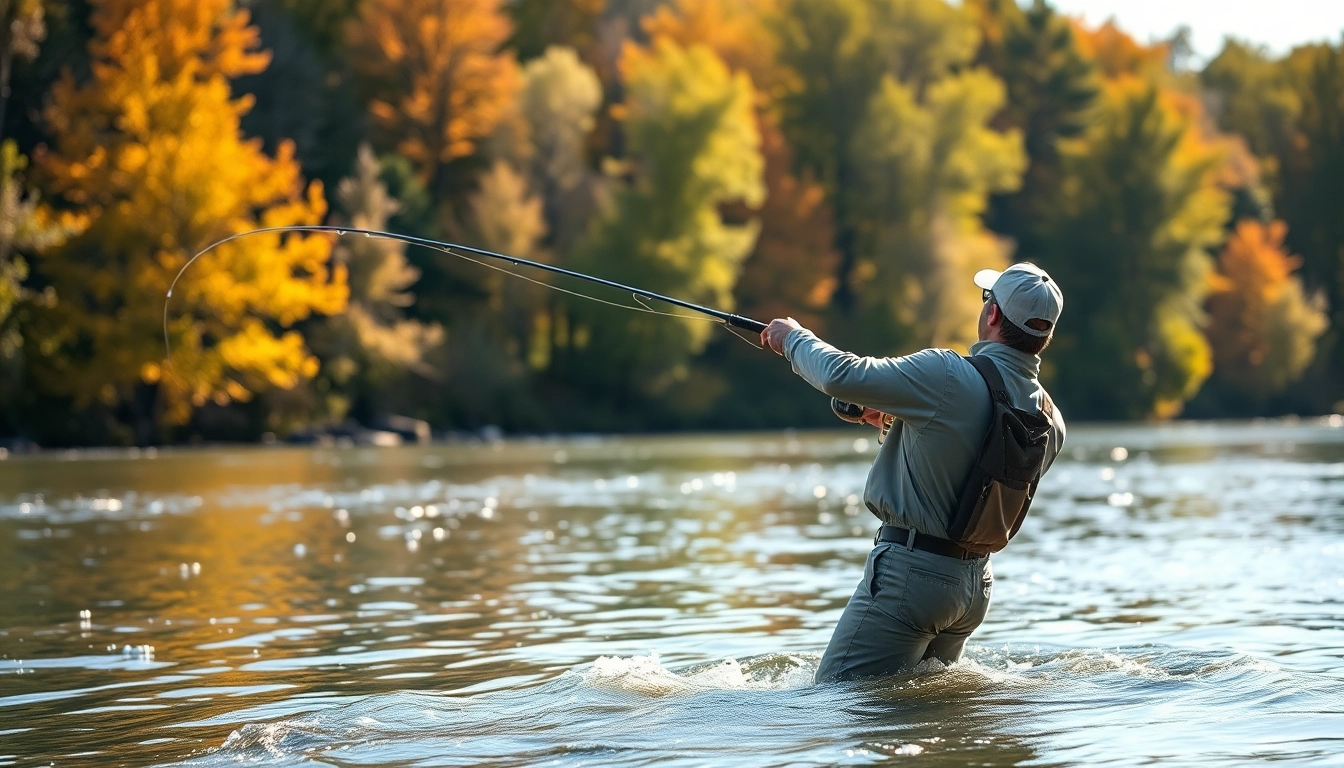

Understanding the Fly Fishing Tippet
The fly fishing tippet plays a crucial role in the art of fly fishing, acting as the thin, yet vital, line that connects your fly to the leader. In this comprehensive guide, we will explore all aspects of the fly fishing tippet, from its definition and purpose to choosing the right size, effective tying techniques, and maintenance tips. For anglers looking to enhance their skills, understanding the fly fishing tippet is essential for improving their success on the water.
What is a Fly Fishing Tippet?
A fly fishing tippet refers to the part of your rig that connects the leader to the fly itself. It is typically a thin line made from either monofilament or fluorocarbon material. The tippet is designed to be lighter and less visible in water than the leader, allowing for natural drift for the fly. In fly fishing, the tippet acts as a bridge between the angler and the fish, and choosing the right tippet can make all the difference in terms of success.
The Role of the Fly Fishing Tippet
The primary role of the fly fishing tippet is to provide a streamlined transition from your leader to your fly, enabling you to present your bait effectively without dragging or pulling the fly unnaturally through the water. Additionally, the tippet allows you to change flies without needing to replace the entire leader. This flexibility is crucial for adapting to different fishing conditions and ensuring your presentation matches what fish in the area are feeding on.
Types of Fly Fishing Tippet Materials
There are generally two main types of materials used for tippet: monofilament and fluorocarbon. Each has its advantages and disadvantages, making understanding them essential for proper fishing choices.
- Monofilament: This is the more common tippet material, known for its flexibility and ease of handling. Monofilament typically floats on water, making it ideal for dry flies and surface presentations.
- Fluorocarbon: This material is less visible underwater, making it a preferred choice for fish that are particularly wary. Fluorocarbon also sinks faster than monofilament, which is advantageous when fishing wet flies.
Selecting the Right Fly Fishing Tippet Size
Selecting the correct tippet size is crucial for matching your flies with the right presentation style. Using the right size maximizes your chances of attracting fish while minimizing break-offs during fights.
Common Size Options for Different Flies
Tippet sizes are typically denoted by numbers that indicate their thickness. The higher the number, the finer the tippet. For example:
- 3X to 4X: Best for larger flies such as streamers and bass bugs.
- 5X to 6X: Ideal for most standard dry flies and nymphs.
- 7X: Great for small, delicate flies often used in technical fishing scenarios.
Factors Influencing Tippet Size Choice
Several factors impact your choice of tippet size:
- Type of Fly: The size and type of fly you plan to use directly affect your tippet choice. Smaller flies demand finer tippets.
- Water Conditions: Clearer water often necessitates lighter tippets to avoid spooking fish.
- Target Species: Different fish species have varying sensitivities; for example, trout often require lighter tippets than bass.
Understanding Tippet Strength Ratings
Tippet strength is typically measured in pounds, and understanding these ratings is vital for avoiding break-offs when landing fish. A size 5X tippet typically has a breaking strength of about 4.5 pounds, while a 3X may break at around 8 pounds. By carefully matching your tippet to the size fish you are targeting, you can optimize your chances for successful hook-ups.
How to Tie a Fly Fishing Tippet
Tying a tippet effectively to your leader is a skill that can make or break your fly fishing experience. The right knots and techniques ensure strong connections and minimize issues during fishing.
Essential Knots for Connecting Tippet
Several knots can be employed to attach tippet material to the leader:
- Surgeon’s Knot: Simple and effective, this knot is great for beginners.
- Double Surgeon’s Knot: Offers added security and is suitable for thicker tippet connections.
Using Tippet Rings Effectively
Tippet rings simplify the process of connecting your tippet without permanent ties. By incorporating a small metal ring, you can easily change tippets or attach multiple flies without damaging the leader. This technique is not only efficient but also prolongs the life of your leader material.
Tying Techniques for Durability
When tying knots for fly fishing, it’s essential to ensure they are both secure and streamlined to prevent snags and weak spots. Practice these techniques:
- Wet your knot before tightening to reduce friction and prevent wear.
- Ensure you leave enough tag end to avoid slippage, particularly with thinner tippet.
Maintaining Your Fly Fishing Tippet
Proper maintenance and storage of your tippet material can extend its usable life and improve performance in the water. Here’s how to manage your tippet for long-term success.
Storage Tips for Tippet Material
Store your tippet material in a cool, dry environment away from direct sunlight. Consider using a fly fishing tippet holder to keep spools organized and tangle-free. This minimizes wear and tangling, making it easier to access your tippets when needed.
Signs of Wear and When to Replace
Be aware of signs that indicate your tippet material may need replacement:
- Visible fraying or nicks on the line.
- Loss of elasticity and stiffness.
- Faded coloring due to sun exposure about the material.
Best Practices for Tippet Use
Utilize the following best practices when fishing with tippet:
- Always check for wear before starting a fishing session.
- Keep spools clean and free from dust or moisture.
- Rotate your tippet regularly to avoid using the same section consistently.
Frequently Asked Questions about Fly Fishing Tippet
Do You Need a Tippet for Fly Fishing?
Yes, a tippet is important because it allows anglers to replace flies without replacing the leader, preserving its integrity over time.
What Tippet Size Should I Use?
Your tippet size should match the size of your fly. Generally, use 5X or 6X for dry flies, and heavier sizes like 3X for larger streamers.
Is Tippet Just Fishing Line?
While tippet is a type of fishing line, it has specific applications in fly fishing and is typically lighter and more refined than standard fishing line.
How Much Tippet Should I Use?
Generally, 3 to 4 feet of tippet is a good starting point. Adjust based on your fishing conditions and tactics.
Can I Use Leader Without Tippet?
While you can fish without tippet, it is not advisable as tying directly to the leader will shorten its life and diminish performance.