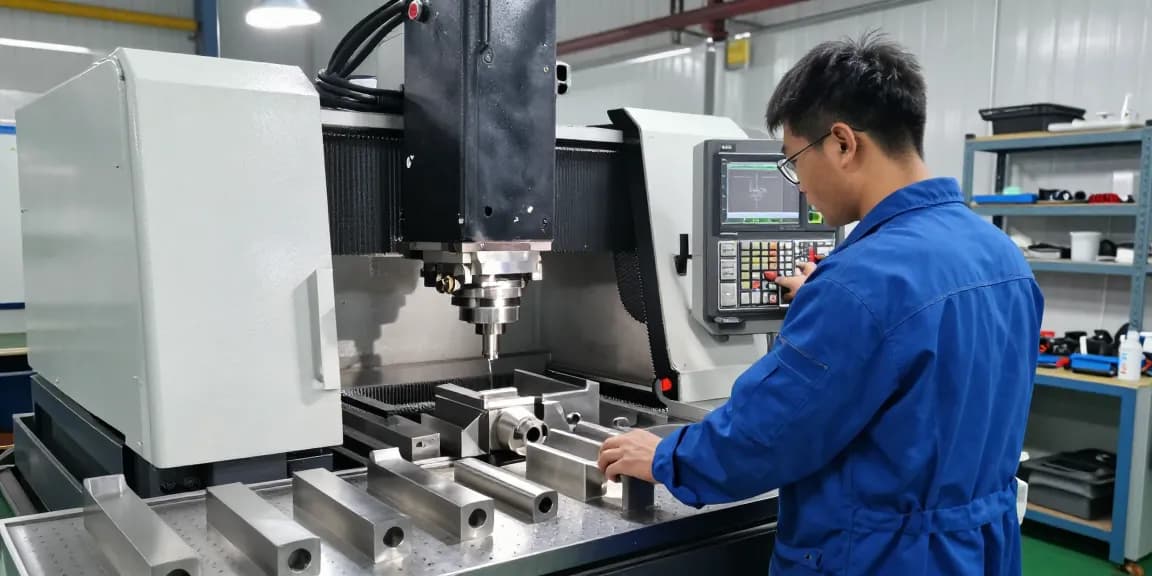
Understanding Cutting Equipment
What is Cutting Equipment?
Cutting equipment refers to tools and machines specifically designed to slice, shear, or otherwise separate materials into precise shapes and sizes. These tools serve essential roles across various industries, from manufacturing to woodworking and metalworking. The effectiveness of cutting equipment often depends on its quality, design, and suitability for the intended task. Familiarity with different types of cutting equipment is crucial for optimal performance in any project.
Types of Cutting Equipment Available
The market offers a diverse range of cutting equipment tailored to different applications. Here are some popular types:
- Shears: Ideal for cutting sheet metal, shears come in manual and powered versions.
- Band Saws: These versatile machines can cut through wood, metal, and plastic with precision.
- Laser Cutters: Employing a focused beam of light, laser cutters provide clean, intricate cuts in various materials.
- Plasma Cutters: Best for fast cutting of thick metals, plasma cutters use ionized gas to cut through material.
- CNC Machines: Computer Numerical Control (CNC) machines automate the cutting process, enhancing precision and efficiency.
Applications in Various Industries
Cutting equipment finds applications across multiple sectors:
- Manufacturing: Used for creating components in automobiles, electronics, and appliances.
- Construction: Essential for cutting materials like drywall, steel beams, and pipes.
- Woodworking: Saws and cutters help in shaping and finishing wood products.
- Textiles: Cutting equipment is used for fabric distribution and garment manufacturing.
- Metalworking: Equipment such as laser and plasma cutters excel in shaping and altering metal components.
Choosing the Right Cutting Equipment
Factors to Consider When Selecting
Selecting the right cutting equipment requires thorough consideration of several factors:
- Material Type: Different materials need different cutting methods; ensure the equipment matches the material.
- Precision Needs: If high precision is required, choose equipment like CNC machines or laser cutters.
- Volume of Work: Determine whether you need equipment suited for high-volume production or occasional use.
- Budget: Equipment varies widely in cost; set a realistic budget based on needs.
- Space Consideration: Ensure there is adequate space in your workshop or production floor for the equipment.
Common Mistakes to Avoid
When selecting cutting equipment, avoid these common pitfalls:
- Neglecting Material Compatibility: Using equipment not suited for the material can lead to damage and ineffective cuts.
- Underestimating Maintenance Needs: Each type of cutting equipment has specific maintenance requirements that must be adhered to.
- Ignoring Safety Features: Equipment without adequate safety features poses risks to operators.
- Overlooking Training Needs: Proper training should be provided to ensure effective and safe operation of cutting equipment.
- Failing to Assess Long-term Value: Consider not just the initial cost, but also longevity and performance of the equipment.
How to Assess Quality
To ensure you are investing in quality cutting equipment, follow these assessment methods:
- Material Construction: Check the materials used in the equipment’s construction; higher quality materials usually yield better performance.
- Brand Reputation: Research and consider brands known for reliability in their cutting equipment offerings.
- User Reviews: Read reviews from other users to gauge satisfaction and performance levels.
- Technical Specifications: Review technical details that indicate cutting accuracy, speed, and durability.
- Warranty and Support: A solid warranty and responsive customer support indicate the manufacturer’s confidence in their product.
Maintenance and Safety Practices
Routine Maintenance for Longevity
Maintaining cutting equipment is vital for ensuring its longevity and performance. Here are routine maintenance practices:
- Regular Cleaning: Keep tools clean to prevent build-up that can impact performance.
- Sharpness Checks: Regularly check and sharpen blades to ensure precision cuts.
- Lubrication: Properly lubricate moving parts to prevent wear and tear.
- Calibration: Periodically calibrate machines to maintain accuracy and avoid discrepancies in output.
- Parts Replacement: Replace worn-out parts timely to maintain operational efficiency.
Safety Protocols Every Operator Should Follow
Safety should be the top priority for any operator using cutting equipment. Key protocols include:
- Personal Protective Equipment (PPE): Always wear appropriate PPE such as gloves, goggles, and ear protection.
- Safety Gear Usage: Ensure all safety guards are in place and functioning properly before use.
- Emergency Stops: Know the location and operation of emergency stop mechanisms on equipment.
- Proper Handling: Always handle cutting tools carefully to prevent injury.
- Training and Awareness: Regular safety training should be mandatory for all operators to understand risks and best practices.
Troubleshooting Common Issues
Despite careful maintenance, problems can arise with cutting equipment. Here are troubleshooting tips:
- Uneven Cuts: Check blade sharpness and alignment; dull tools or misalignment can cause uneven cuts.
- Equipment Jams: Ensure that materials used fit within the equipment specifications to avoid jams.
- Excessive Vibrations: Inspect for loose parts that may cause instability during operation.
- Power Issues: Check electrical connections and power sources if equipment does not operate.
- Heat Build-up: Monitor for overheating, which may indicate insufficient lubrication or overuse.
Innovations in Cutting Equipment Technology
Advancements in Precision Cutting
Technology continues to enhance precision in cutting equipment. Innovations include:
- Computer-Aided Design (CAD): Integrates design and production, allowing for custom cuts based on digital models.
- High Definition Plasma Cutting: Improves cutting quality and reduces dross and waste material.
- Water Jet Cutting: Uses high-pressure water mixed with abrasives to cut a variety of materials with minimal heat, preserving structural integrity.
- 3D Laser Processing: Allows for complex designs and beyond traditional cutting capabilities.
- Smart Technology Integration: Features like IoT connectivity allow for real-time monitoring and advanced troubleshooting.
Impact of Automation on Cutting Processes
Automation in cutting equipment offers significant advantages, such as:
- Increased Efficiency: Automated systems operate faster and with fewer errors than manual processes.
- Consistent Quality: Automation ensures uniformity in cuts, reducing the likelihood of human error.
- Labor Cost Reduction: Fewer operators are required, leading to lower labor costs.
- Enhanced Safety: Automation minimizes direct human involvement, reducing the risk of accidents.
- Data Collection: Advanced cutting systems can gather operational data for better performance analysis and improvements.
Future Trends to Watch For
The future of cutting equipment will likely include several emerging trends:
- Increased Sustainability: Eco-friendly materials and processes will be integrated into cutting technologies.
- Advanced Robotics: Enhanced robotics capabilities will allow for more complex cutting tasks.
- Machine Learning: Equipment that learns and adapts based on past performance to optimize operations.
- Augmented Reality (AR): AR may assist operators in real-time, providing guidance through complex cutting tasks.
- Material Innovations: New materials with specialized properties will emerge, requiring evolving cutting techniques.
FAQs About Cutting Equipment
What is the Best Cutting Equipment for Beginners?
For beginners, handheld tools like rotary cutters, utility knives, or small band saws are recommended due to ease of use and safety.
How Can I Extend the Life of My Cutting Equipment?
Regular maintenance, proper cleaning, and using equipment as intended helps extend its lifespan. Avoid overloading machines.
What Safety Gear is Required When Using Cutting Equipment?
Essential safety gear includes goggles, gloves, ear protection, and aprons. This minimizes the risk of injuries while operating.
Are There Eco-Friendly Options for Cutting Equipment?
Yes, many manufacturers now offer cutting equipment designed with sustainability in mind, utilizing recyclable materials and energy-efficient technology.
How Often Should I Service My Cutting Equipment?
Service norms typically recommend periodic checks every six months, but specific intervals depend on frequency of use and manufacturer guidelines.