Understanding Structural Timber Frame Basics
The Structural Timber Frame system revolves around the concept of using timber as the primary building material for frameworks that support the structure. This traditional building method has witnessed a surge in popularity due to its combination of sustainability, efficiency, and aesthetic appeal. In this article, we will delve deep into the structural timber frame basics, its benefits, design considerations, construction processes, and frequently asked questions to provide a complete overview for builders, designers, and homeowners.
The Definition of Structural Timber Frame
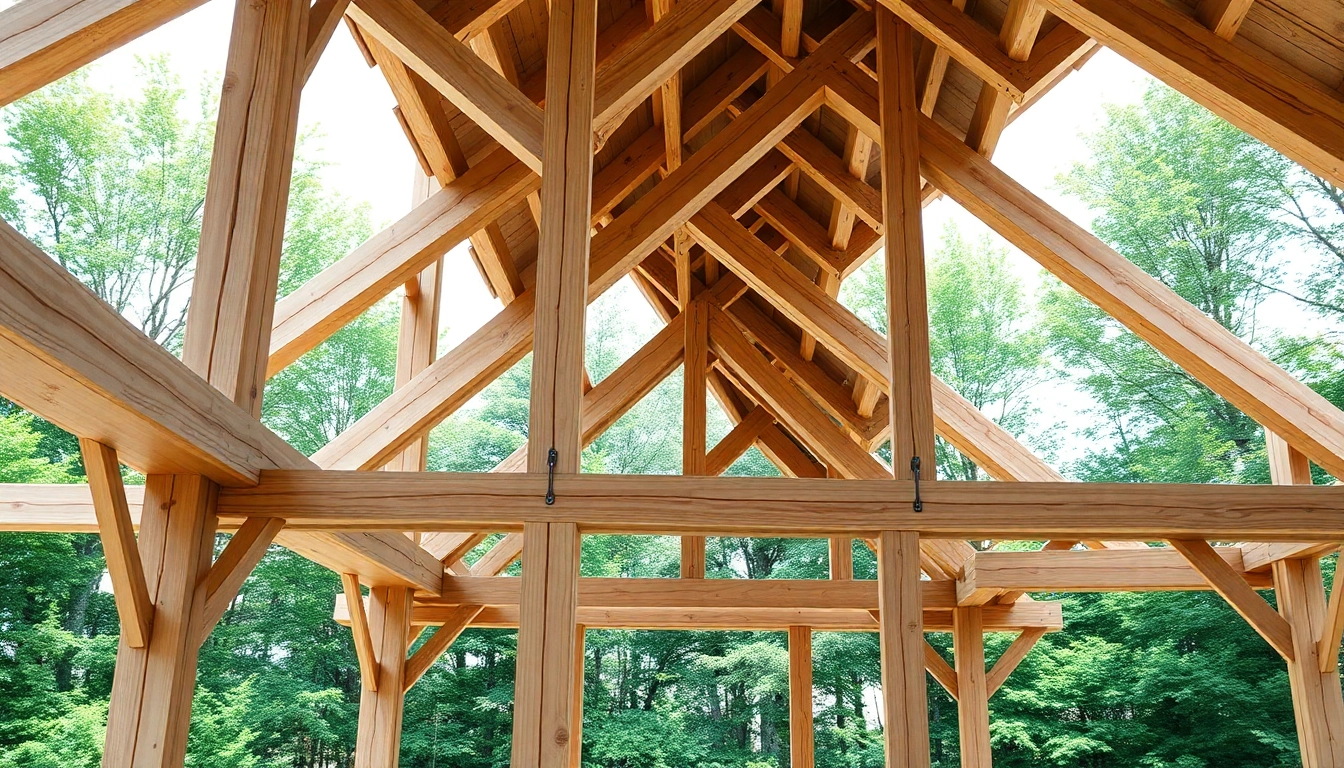
Structural Timber Frame refers to a construction methodology that utilizes timber to create the primary structural framework of a building. This system is typically composed of vertical columns, horizontal beams, and wall panels, all meticulously assembled to provide both strength and flexibility. The use of timber allows for the construction of various styles—from traditional cottages to contemporary homes—while also providing significant benefits regarding insulation and carbon footprint reduction.
Why Choose Structural Timber Frame?
There are several compelling reasons to choose Structural Timber Frame for construction projects. First and foremost, timber is a renewable resource, making it an eco-friendly alternative to more conventional materials like steel and concrete. This method also facilitates quicker construction times due to prefabrication techniques, which can significantly reduce labor costs. Furthermore, STRUCURAL TIMBER FRAME buildings are often more energy-efficient, leading to reduced operational costs in the long run.
Key Components of Structural Timber Frame
The key components that make up a Structural Timber Frame include:
- Columns: Vertical posts that support beams and roof structures.
- Beams: Horizontal elements that distribute loads from the roof and walls.
- Studs: Vertical framing members that form the walls.
- Bracing: Provides lateral stability and prevents racking.
- Panels: Can be pre-manufactured wall, floor, and roof sections that are fitted together on-site.
Benefits of Using Structural Timber Frame
Energy Efficiency Advantages
One of the standout benefits of using Structural Timber Frame is its energy efficiency. Timber naturally has insulating properties that can significantly minimize heat loss, therefore reducing heating and cooling demands. Moreover, when combined with advanced insulation materials, timber frame constructions can achieve superior energy ratings. This can lead to lower energy bills and a smaller carbon footprint for homeowners, aligning with contemporary sustainability goals.
Durability and Longevity of Structures
Structural Timber Frame buildings are inherently durable, especially when properly treated and maintained. Wood can withstand various environmental factors, including storms and earthquakes, thanks to its natural flexibility. Additionally, advancements in timber preservation techniques have further enhanced the longevity of timber products. When properly designed and constructed, these buildings can last for decades while retaining their structural integrity.
Aesthetic Flexibility of Designs
Another significant advantage of Structural Timber Frame is its versatility in design. Timber allows for an array of architectural styles—from rustic to modern aesthetics. It can be stained, painted, or left exposed, offering endless possibilities to architects and builders. This flexibility means that homeowners can create custom living spaces that reflect their personal styles without compromising structural efficiency.
Designing with Structural Timber Frame
Architectural Considerations
When designing with Structural Timber Frame, architects must consider load distribution, natural aesthetics, and integration with other building materials. The orientation of the building can harness natural light and airflow, enhancing energy efficiency. Additionally, compatibility with local building codes and environmental conditions is crucial. Proper planning can lead to a harmonious structure that not only meets functional needs but also contributes positively to its surroundings.
Common Design Mistakes to Avoid
Designing with Structural Timber Frame can present unique challenges. Common mistakes include:
- Ignoring Load Paths: Failing to understand where loads will be transmitted can compromise structural integrity.
- Inadequate Insulation: Not incorporating proper insulation materials can lead to energy inefficiency.
- Neglecting Moisture Control: Timber must be protected against moisture to avoid decay and structural failure.
- Underestimating Expansion: Timber naturally expands and contracts; joints and connections must accommodate this movement.
Integrating Modern Technologies
Modern technologies have revolutionized the way timber frames are designed and constructed. Building Information Modeling (BIM) allows for precise virtual simulations of the framework, enhancing accuracy and collaboration among stakeholders. Additionally, advancements in treatment technologies, such as pressure treatment with preservatives, enhance the durability and resistance of timber against pests and environmental factors. These innovations result in more sustainable and effective building practices.
Building Process of Structural Timber Frame
Step-by-Step Construction Guide
The construction of a Structural Timber Frame building involves several stages:
- Planning: Includes site selection, architectural design, and engineering assessment.
- Preparation: Groundwork and foundation preparation is crucial before timber components can be installed.
- Framing: Assemble the timber framework including columns, beams, and panels.
- Enclosure: Add insulation and install external finishes to protect the frame.
- Finishing: Interior finishes, flooring, windows, and doors are included in the final steps.
Safety Regulations and Best Practices
Safety is paramount in any construction project. Adhering to local building codes and regulations related to Structural Timber Frame is mandatory to ensure the safety and welfare of all construction workers and future occupants. Best practices include regular safety training, the use of protective gear, and comprehensive risk assessments. Implementing these measures not only protects individuals but also contributes to the overall success of the project.
Cost Considerations and Budgeting
While Structural Timber Frame can be cost-effective compared to traditional construction methods, several factors influence the overall budget. These include material costs, labor, design complexity, and regulatory demands. Efficient planning, bulk purchasing, and employing direct labor instead of subcontracting can help manage costs. Additionally, investing in quality materials upfront can minimize long-term maintenance expenses.
FAQs about Structural Timber Frame Construction
What is the typical lifespan of a structural timber frame?
A well-constructed Structural Timber Frame can last upwards of 50-100 years, depending on factors like maintenance and environmental conditions.
Can structural timber frames be insulated?
Yes, structural timber frames can be effectively insulated using various insulation materials, which enhance energy efficiency and comfort.
Are there eco-friendly options for structural timber frames?
Definitely! Sustainable timber sourced from certified forests and eco-friendly treatments can make the structural timber frame a green choice.
How do structural timber frames compare to steel frames?
Structural timber frames are generally lighter, more aesthetically pleasing, and offer better insulation than steel frames, though steel may provide greater strength in certain applications.
What maintenance is required for structural timber frame buildings?
Regular inspections for pests, moisture levels, and potential damage are essential. Protecting wood surfaces with proper treatments also prolongs lifespan.