Understanding Construction Site Safety
Construction site safety plays a pivotal role in protecting the lives of workers and ensuring the successful completion of projects. The construction industry is fraught with inherent risks, making it crucial to establish and enforce safety measures. In this article, we delve deep into the importance of safety on construction sites, the common risks involved, and regulatory standards that govern these practices. By understanding these elements, project managers and workers can cultivate a safer working environment that minimizes accidents and enhances productivity.
The Importance of Construction Site Safety
Effective safety practices on construction sites are non-negotiable for several reasons. First and foremost, they protect workers’ health and well-being, reducing the incidence of injuries and fatalities. According to industry reports, construction is one of the most dangerous professions, and the consequences of neglecting safety can be dire.
Secondly, prioritizing construction site safety helps organizations avoid legal liabilities and financial losses. Employers can incur significant costs due to fines, insurance claims, and compensation payouts linked to workplace accidents. Preventing unsafe conditions fosters a culture of responsibility and accountability that translates to higher morale and productivity among workers.
Common Risks on Construction Sites
Construction sites are rife with hazards that can lead to accidents. Some of the most prevalent risks include:
- Falls: Often the leading cause of serious injuries and fatalities, falls can occur from heights or due to slipping on uneven surfaces.
- Machinery Accidents: Workers can be injured by heavy equipment such as cranes, forklifts, and excavators, especially if proper protocols are not followed.
- Electrical Hazards: Exposed wiring, improper connections, or equipment failure can cause electrocution or electric shock.
- Caught-in or Caught-between Incidents: These occur when a worker is trapped between equipment or materials, leading to severe injuries.
- Exposure to harmful substances: Construction workers may encounter materials like asbestos, silica, or chemicals, which pose health risks.
Regulatory Standards and Compliance
In many jurisdictions, strict regulations govern construction site safety. Compliance with these standards is mandatory, as they are designed to protect workers and establish minimum safety practices. For instance, the Occupational Safety and Health Administration (OSHA) in the United States outlines specific guidelines that employers must adhere to, including:
- Proper use of Personal Protective Equipment (PPE)
- Regular safety training and education programs
- Mandatory reporting of accidents and injuries
- Implementation of emergency action plans
Fostering an environment of compliance not only protects workers but also fortifies the integrity and reputation of the organization.
Key Components of Construction Site Safety
Personal Protective Equipment
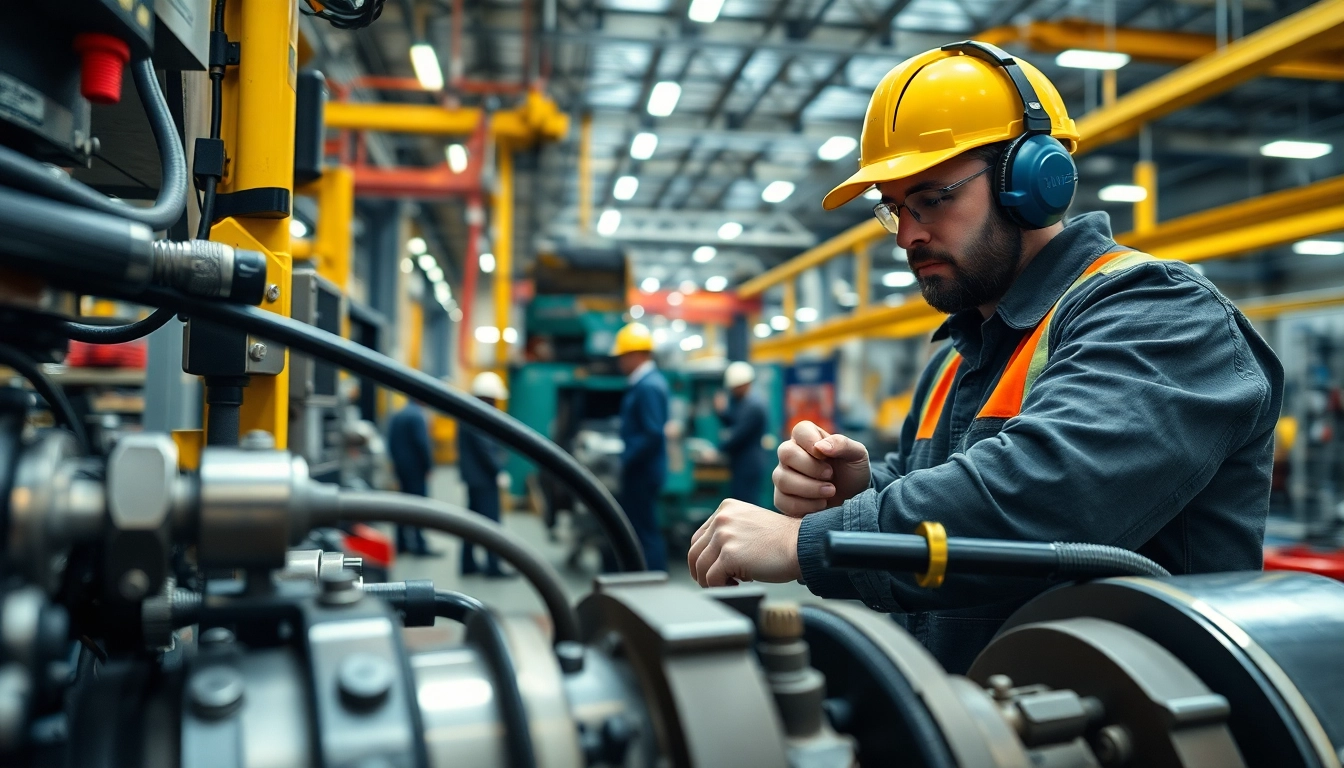
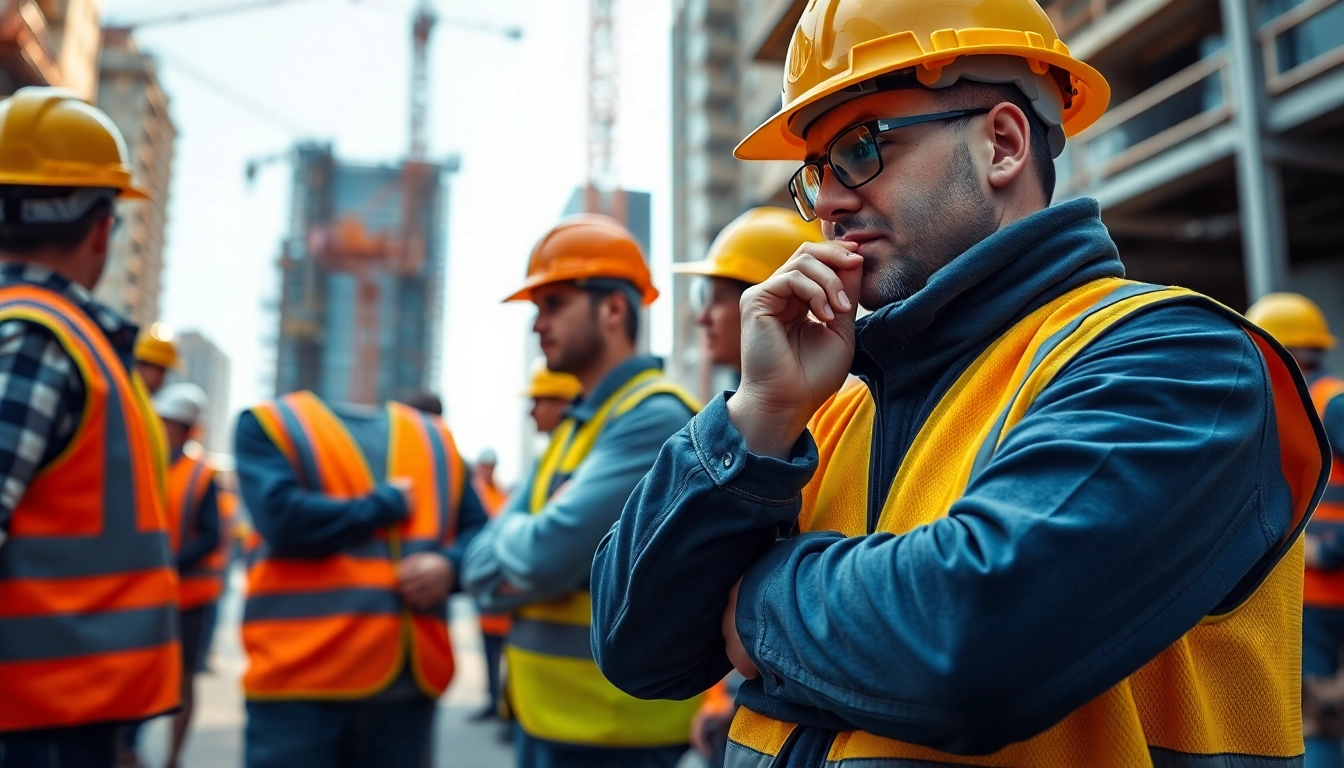
Personal Protective Equipment (PPE) is a cornerstone of construction site safety. The appropriate use of PPE significantly lowers the chances of injury. Essential PPE includes:
- Hard hats to protect against falling objects
- Safety glasses to shield the eyes from debris
- Hearing protection in areas with high noise levels
- High-visibility clothing to increase awareness among workers
- Steel-toed boots to protect feet from heavy loads
Employers must ensure all personnel are adequately trained in the proper use of PPE and that they regularly inspect their equipment for wear and damage.
Site Safety Plans and Protocols
Developing a comprehensive site safety plan is vital for managing risks. This plan serves as a roadmap for safety protocols and emergency procedures. It should incorporate:
- Identified hazards and their associated risks
- Specific roles and responsibilities for safety personnel
- Emergency protocols for various situations, including fires, chemical spills, and injuries
- Regular safety meetings and a clear system for communicating safety concerns
Regular updates to the safety plan should reflect new risks identified over the course of the project and include input from workers who experience daily site conditions.
Training and Awareness Programs
Continuous training is essential in cultivating awareness about safety practices among construction workers. Effective training programs should cover:
- Proper use of tools and equipment
- Safe handling of hazardous materials
- Emergency preparedness and first aid training
- Awareness of surroundings and potential risks
In addition to initial training, refresher courses should be held at regular intervals, especially when new equipment or procedures are introduced.
Implementing Effective Safety Measures
Identifying and Assessing Hazards
Proactively identifying and assessing hazards is fundamental to effective safety management. Techniques for hazard assessment include:
- Conducting site inspections and hazard analysis regularly
- Utilizing checklists to ensure all factors are considered
- Encouraging worker feedback on unsafe conditions they may observe
By involving workers in the identification process, organizations foster a culture of safety where employees feel responsible for the well-being of their peers.
Utilizing Safety Technology
Advancements in technology have provided new tools to enhance construction site safety. Some notable technological aids include:
- Drones: Used for aerial site inspections, identifying hazards from heights without putting workers at risk.
- Sensors: Monitoring equipment for malfunctions and alerting when machinery is operating unsafely.
- Wearable devices: Monitoring worker health metrics and alerting supervisors in case of fatigue or other concerning conditions.
Incorporating technology not only improves safety but also helps in streamlining operations and increasing efficiency.
Emergency Preparedness and Response
Preparing for emergencies is a critical aspect of construction site safety. Developing a robust emergency response plan should include:
- Clear communication protocols for alerting employees in emergencies
- Regular emergency drills to practice evacuation and response
- Designated assembly points and first aid stations easily accessible on-site
Evaluating emergency plans through simulations ensures that every worker knows their role, thereby minimizing confusion during real incidents.
Monitoring and Continuous Improvement
Regular Safety Audits
Conducting regular safety audits is essential for ensuring adherence to safety protocols and identifying areas for improvement. Safety audits should:
- Assess the implementation of safety measures on-site
- Evaluate compliance with safety regulations
- Identify trends in incidents and near-misses to rectify underlying issues
These audits foster a proactive approach rather than a reactive one, ensuring that safety remains at the forefront of project management.
Feedback and Incident Reporting
A culture that encourages reporting of all incidents, regardless of severity, promotes a safer environment. Implementing a transparent reporting system helps in:
- Documenting incidents for future analysis
- Identifying patterns that may indicate systemic issues
- Encouraging employees to voice concerns without fear of repercussions
Furthermore, reviewing feedback from workers enables organizations to adjust their safety practices based on real-world conditions.
Staying Updated with Safety Regulations
The landscape of safety regulations constantly evolves. Organizations must stay informed about changes in legislation and best practices by:
- Attending industry seminars and workshops
- Participating in safety organizations and forums
- Regularly reviewing regulatory bodies’ publications and updates
Being proactive about changes ensures that compliance is maintained and safety measures are current and relevant.
FAQs About Construction Site Safety
What is construction site safety?
Construction site safety refers to protocols and practices that prevent worker injuries and ensure safe operations. This includes guidelines, personal protective equipment, and emergency plans.
Why is personal protective equipment important?
Personal protective equipment (PPE) is crucial as it provides essential protection against potential hazards on-site, reducing the risk of serious injuries.
How often should safety training occur?
Safety training should occur regularly and whenever new equipment or procedures are introduced to ensure compliance and preparedness across the workforce.
What are common hazards in construction?
Common hazards include falls, machinery accidents, and electrical risks. Addressing these hazards requires vigilant safety measures and training to mitigate risks.
How can safety audits improve site safety?
Regular safety audits help identify risks, ensure compliance, and promote a culture of safety awareness among workers, leading to reduced accidents and enhanced safety protocols.