Understanding Bed Bug Heat Treatment
What Is Bed Bug Heat Treatment?
Bed bug heat treatment is a method of pest control that utilizes high temperatures to exterminate bed bugs in all life stages—eggs, nymphs, and adults. The process involves raising the ambient temperature of an affected area to a level that is lethal to these pests, typically between 120°F to 140°F. This treatment is generally preferred due to its effectiveness and eco-friendliness, providing a non-chemical solution to a pervasive problem. The technology employed in heat treatments allows for comprehensive coverage, often reaching areas that traditional insecticides might miss. For those grappling with infestations, bed bug heat treatment stands out as a compelling option.
How Does it Work?
The principle behind bed bug heat treatment lies in the thermal death point of bed bugs. At temperatures above 120°F, bed bugs start to suffer immediate effects, with higher temperatures accelerating their demise. To effectively eliminate these pests, technicians slowly increase the temperature within the treated space, ensuring the heat penetrates deep into furniture, carpeting, and other hiding spots. The process typically requires four to six hours to reach and maintain lethal levels of heat, allowing for thorough extermination. Monitoring is key, and specialized thermal sensors are often used to ensure temperature consistency throughout the treatment area.
Benefits of Choosing Heat Over Other Methods
Choosing heat treatment over conventional chemical methods offers numerous advantages:
- Non-Toxic Approach: Heat treatment eliminates the need for chemical pesticides, making it a safer choice for homes with children and pets.
- Efficiency: Heat can reach infested areas, effectively treating even the most hidden bed bug populations.
- Quick Results: Many users report immediate results, as heat kills bed bugs on contact.
- Environmentally Friendly: This method is sustainable, producing no harmful residues that can affect the environment.
Preparing for Bed Bug Heat Treatment
What to Expect Before Treatment
Prior to the heat treatment, homeowners can expect an inspection by a pest control professional. This inspection helps identify the extent of the infestation and determines the best approach for treatment. Homeowners should also be aware of preparation requirements to maximize the effectiveness of the process.
Steps to Prepare Your Home
Preparation is critical for ensuring the success of bed bug heat treatment. Here are the essential steps to follow:
- Remove All Items: Take out any belongings from the treatment area, especially items that are on the floor, such as shoes, clothes, and personal items.
- Clear Clutter: Minimize clutter to facilitate better airflow during the heating process. This allows heat to reach all surfaces more effectively.
- Seal Containers: Place small items in sealed plastic bags or containers to avoid re-infestation after treatment.
- Prepare Electronics: Unplug electronics and ensure they are treated with care, as high temperatures can damage them.
Frequently Overlooked Preparations
In addition to general preparations, certain specifics can often be overlooked:
- Inform Neighbors: If you live in close proximity to others, it’s good practice to inform your neighbors about the treatment to prevent cross-infestation.
- Pet Care: Make arrangements for pets to stay elsewhere during treatment, as extreme heat can endanger their health.
- Heat Sensitive Items: Remove any items that may be damaged by heat, such as candles, vinyl records, or artwork.
During the Bed Bug Heat Treatment Process
How Treatment Is Administered
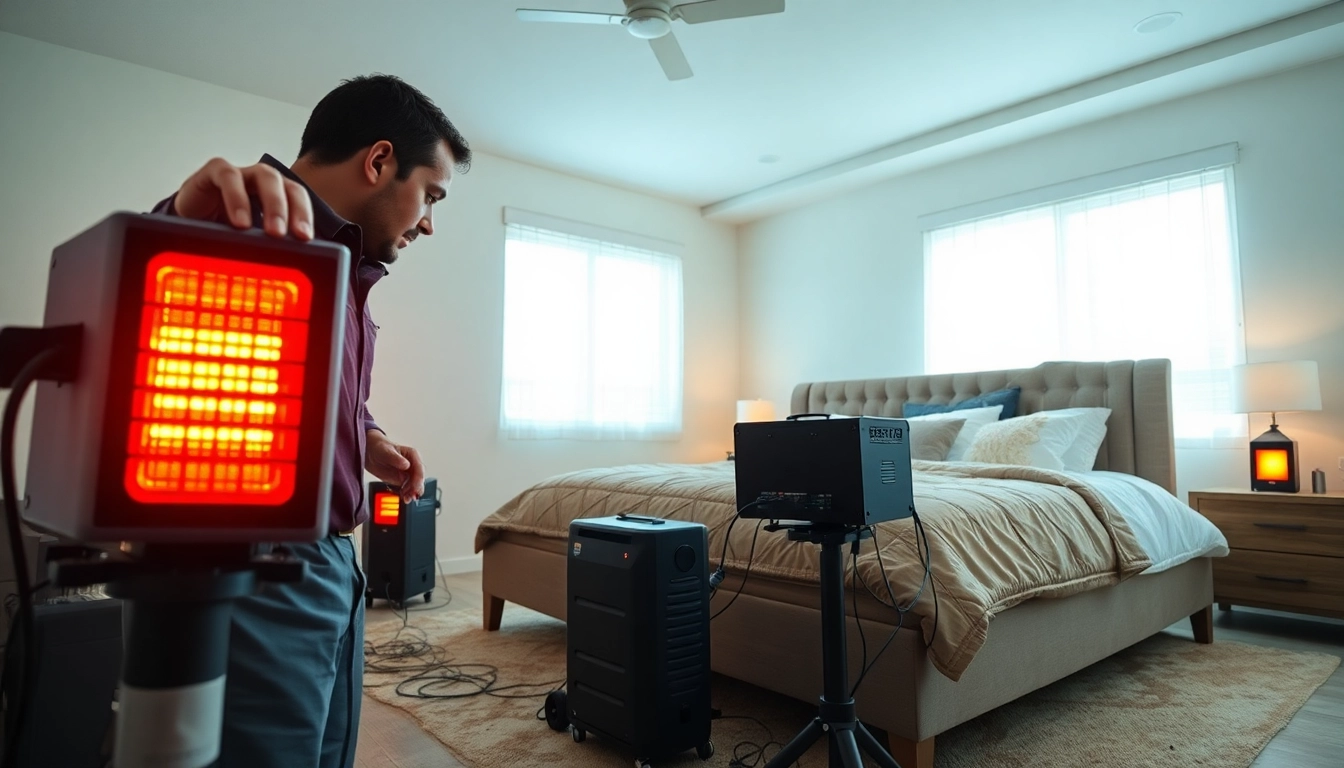
When the treatment begins, professionals will use specialized equipment to generate heat. This may include portable heaters and thermal blankets that distribute heat uniformly. The goal is to gradually raise the temperature of the entire room to the desired level without causing damage to the objects within it. Technicians will monitor the temperature continuously, adjusting heaters as needed to maintain effectiveness.
Safety Precautions You Should Know
Safety during heat treatment is paramount:
- Evacuation: All occupants, including pets, must exit the premises before treatment begins.
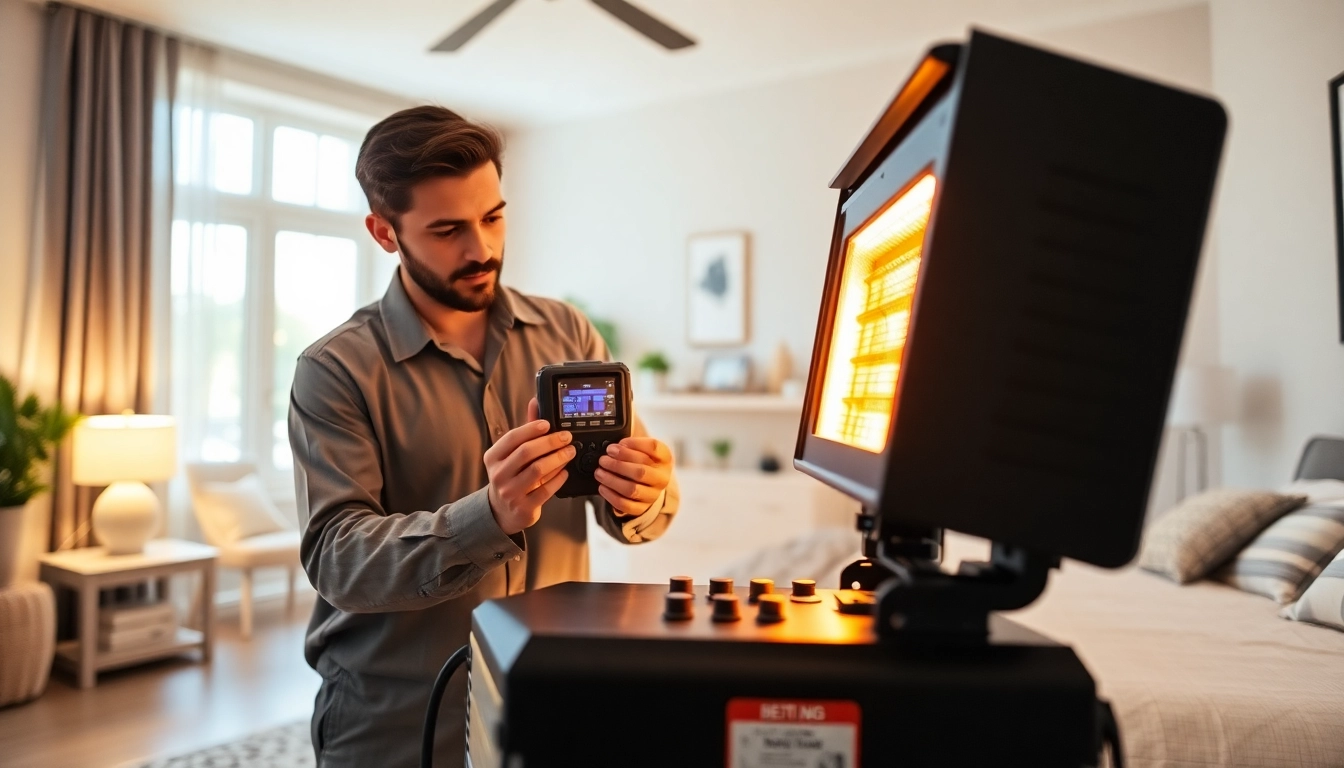
- Monitoring Equipment: Technicians will use temperature loggers to ensure safe and effective heat distribution.
- Post-Treatment Inspection: After treatment, a follow-up inspection is essential for verifying effectiveness.
Monitoring Temperature for Effectiveness
Continuous temperature monitoring is crucial to ensure all bed bugs are exposed to lethal conditions. Professional teams often use infrared thermometers and thermal imaging tools to pinpoint cooler areas. This ensures comprehensive treatment and helps identify spots that might require additional attention.
Post-Treatment Actions and Considerations
How to Care for Treated Areas
After the bed bug heat treatment, proper care for the treated areas is essential:
- Avoid Reinfestation: Do not bring in items from outside without thorough inspection.
- Monitor for Activity: Watch for signs of bed bugs in the following weeks to ensure complete elimination.
- Cleaning: Vacuum treated areas with a HEPA vacuum to remove any dead bugs or debris.
Signs of Effective Bed Bug Heat Treatment
After treatment, several signs indicate success:
- No New Bites: Lack of new bite marks on occupants is a significant indicator.
- No Live Bed Bugs: Regular inspections should reveal no movement or live bugs in the treated area.
- Dead Bugs and Eggs: Finding dead bugs and eggs assists in confirming the treatment’s effectiveness.
When to Schedule a Follow-Up
A follow-up inspection should be scheduled two weeks after the heat treatment to monitor for potential re-emergence. Regular checks during the first few months post-treatment are beneficial in ensuring that bed bugs have been fully eradicated and that no new infestations have occurred. If any signs appear, re-treatment may be necessary.
Frequently Asked Questions About Bed Bug Heat Treatment
What temperature kills bed bugs immediately?
Bed bugs are killed instantly at temperatures above 118°F. Exposure to this heat for at least 20 minutes is typically sufficient for extermination.
What are the signs I need heat treatment?
Signs include waking with unexplained itchy bites, finding blood stains on sheets, or spotting live bed bugs or their droppings in sleeping areas.
How long does the treatment process take?
Most heat treatment processes take around four to six hours, depending on the size of the affected area and the severity of the infestation.
Can I stay in my house during treatment?
Occupants must vacate the premises during treatment to ensure safety and effectiveness. This includes pets and children.
Is heat treatment safe for all environments?
Heat treatment is generally safe for most furnishings and is non-toxic. However, sensitive electronics and certain materials may require special handling or removal prior to treatment.