Understanding Metal Roofing Materials
Types of Metal Roofing
Metal roofing has gained popularity due to its durability, energy efficiency, and aesthetic appeal. Understanding the different types of metal roofing can help homeowners make informed decisions when selecting materials for their projects. The most common types of metal roofing include:
- Steel Roofing: Often galvanized or coated with zinc for corrosion resistance, steel is widely used due to its affordability and strength.
- Aluminum Roofing: Lightweight and resistant to rust, aluminum is ideal for coastal regions, where saltwater exposure is common.
- Copper Roofing: Known for its beauty and longevity, copper develops a distinctive patina over time. It is one of the more expensive options due to its high-quality properties.
- Zinc Roofing: Sustainable and long-lasting, zinc roofs can last over a century while developing a protective layer that prevents corrosion.
- Metal Shingles: These are styled to resemble traditional roofing materials such as wood or slate but provide the durability of metal.
Benefits of Metal Roofing
Choosing metal roofing comes with a host of benefits, making it a popular choice for homeowners and builders alike. Key advantages include:
- Longevity: Metal roofs can last 40 to 70 years or longer with proper maintenance, which is significantly longer than traditional asphalt shingles.
- Energy Efficiency: Metal roofing reflects solar energy, which helps to lower cooling costs during hot months, contributing to overall energy savings.
- Durability: Metal roofs can withstand extreme weather conditions, including high winds, heavy snow, and hail, without sustaining significant damage.
- Fire Resistance: Non-combustible metal roofing provides a safeguard against fires, thereby enhancing home safety.
- Environmentally Friendly: Many metal roofs contain recycled materials and are 100% recyclable at the end of their life, making them an eco-friendly option.
Choosing the Right Material
Selecting the right metal for roofing involves considering various factors such as climate, building architecture, and budget. Here are several considerations for making an informed decision:
- Climate: In areas prone to heavy snowfall, choose materials with high durability. In coastal regions, materials resistant to salt and rust, like aluminum, would be ideal.
- Aesthetics: Depending on your home’s architecture, different materials can offer diverse visual appeal. Copper and zinc stand out for their beauty, while steel and aluminum provide a more industrial look.
- Weight: Consider the weight of the material. Lighter materials like aluminum are easier to install but might have different durability than heavier types like steel.
- Cost: While copper offers aesthetics and longevity, it comes at a higher price. Balance your budget against the potential long-term savings.
- Maintenance Needs: Evaluate how much upkeep each material requires in terms of painting, sealing, and inspecting for damage.
Evaluating Metal Roofing Companies
Key Factors to Consider
When looking for metal roofing companies, ensure you evaluate several key factors to find a reliable contractor. Critical considerations include:
- Experience: Assess how long the company has been in business and their specialization in metal roofing.
- Licensing and Insurance: Always verify that the company is licensed, insured, and bonded. This protects you from potential liabilities.
- Service Range: Determine whether the company provides comprehensive services, including installation, repair, and maintenance.
- Warranties: Look for companies that offer warranties on both the materials used and the workmanship, ensuring long-term peace of mind.
Reviewing Customer Feedback
Customer reviews and testimonials provide invaluable insight into a company’s reputation and quality of work. Here’s how to effectively evaluate customer feedback:
- Online Review Platforms: Check platforms like Google Reviews, Yelp, and Angie's List for verified reviews from previous clients.
- Social Media Presence: Explore the company’s social media pages. Engagement and feedback on platforms like Facebook or Instagram can reveal customer satisfaction.
- References: Ask for a list of references from recent clients. Speaking directly with former customers can provide deeper insights into the company's reliability.
- Accreditations: Look for affiliations with professional organizations such as the Better Business Bureau (BBB), which can signify commitment to quality and customer service.
Requesting Quotes and Estimates
Getting quotes from multiple metal roofing companies can help you understand the range of costs and services available. Here are tips for obtaining accurate estimates:
- Detailed Specification: Provide a detailed description of your roofing project, including size, style, and preferred materials, to receive accurate quotes.
- Comparative Analysis: After receiving multiple quotes, compare not just costs but also the scope of work, materials used, and warranty terms.
- Transparent Pricing: Ensure there are no hidden fees within the estimate. A reputable company will provide a transparent breakdown of costs.
- Negotiable Elements: Discuss potential adjustments to materials or labor to find a balance between quality and budget.
Installation Process of Metal Roofing
Preparing for Installation
Before installation begins, proper preparation is crucial to ensure a smooth and successful project. Steps include:
- Site Inspection: A thorough assessment of the existing roof condition must be done to identify any underlying issues that need addressing.
- Materials Procurement: Select and confirm the roofing materials and ensure they are ordered and delivered before the installation date.
- Weather Considerations: Schedule installation during favorable weather conditions, avoiding extreme temperatures or precipitation that might hinder the process.
- Permits and Regulations: Ensure all necessary permits are obtained, as per local building codes, which can be vital for avoiding future legal issues.
Installation Steps Explained
Understanding the installation process can help homeowners manage expectations effectively. Here are the typical steps involved in metal roofing installation:
- Removing Old Roofing: If replacing an existing roof, professionals will begin by removing old shingles and any debris to ensure a smooth surface.
- Deck Preparation: The roof deck needs preparation through repairs and the addition of an underlayment to enhance insulation and moisture protection.
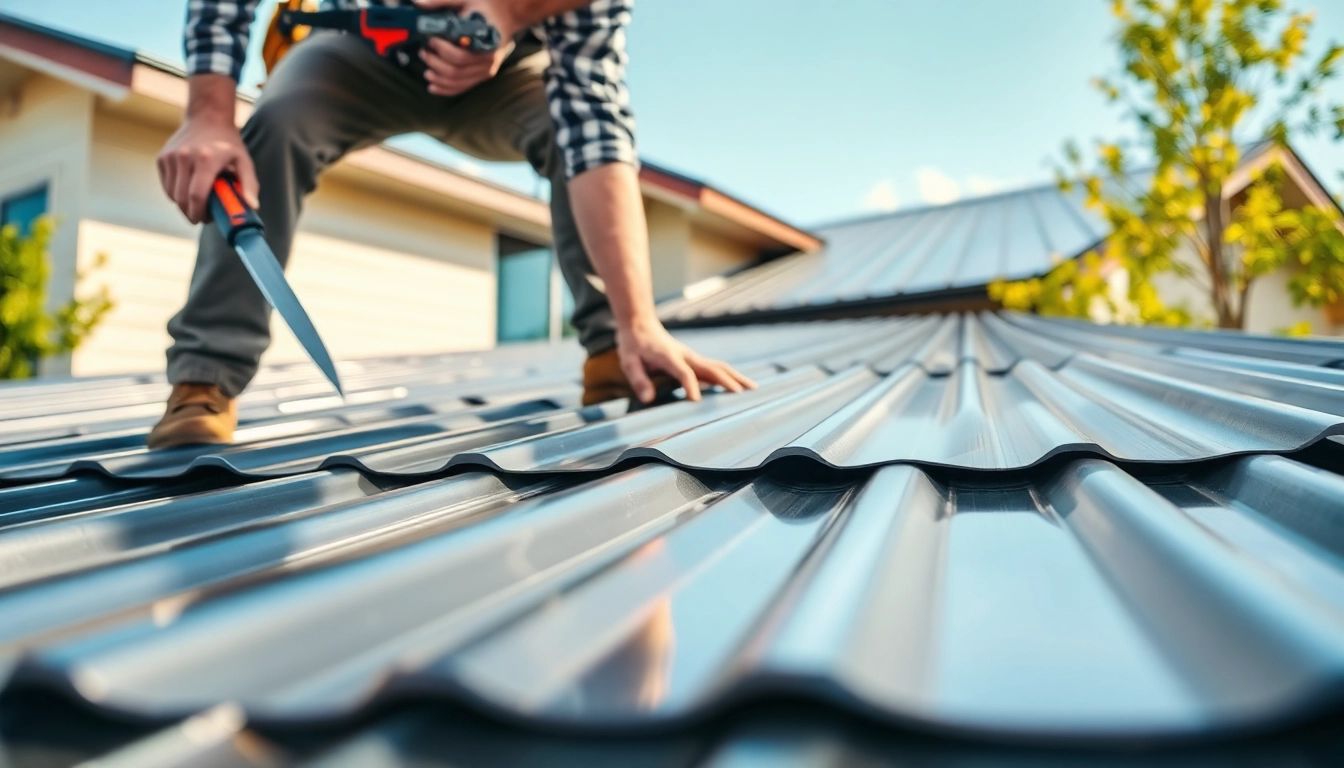
- Metal Panel Installation: Metal panels are installed according to the specific system used, ensuring proper alignment and securing to withstand strong winds.
- Flashing Installation: Flashing is added around valleys, chimneys, and vents to prevent water leaks where the roof intersects with other structures.
- Final Inspections: Upon completion, a final inspection is essential to ensure the installation meets all standards and there are no visible deficiencies.
Safety Procedures to Follow
Safety should always be a priority during the installation process. Here are critical safety measures that should be practiced:
- Personal Protective Equipment (PPE): Wear suitable safety gear including helmets, gloves, and non-slip footwear.
- Fall Protection Measures: Use harnesses and guardrails if working at elevated heights to prevent falls.
- Weather Preparedness: Being aware of and prepared for changing weather conditions can prevent accidents.
- Safe Tool Handling: Ensure all tools are properly maintained and used according to safety guidelines to minimize accidents.
Maintenance Tips for Metal Roofs
Routine Inspections
Regular inspections are vital to maintaining the integrity of metal roofs. Prioritize the following inspection routines:
- Visual Inspections: Conduct regular visual checks for rust, dents, or loose panels, especially after storms.
- Professional Inspections: Hire professionals at least once a year to conduct thorough inspections for hidden damage or issues.
- Attic Inspections: Check your attic for signs of leaks or condensation, which may indicate roof problems.
Cleaning Your Metal Roof
Keeping a metal roof clean enhances its appearance and longevity. Here are some best practices for cleaning:
- Gentle Cleaning Products: Use mild detergents and water instead of harsh chemicals that can damage the roof's finish.
- Pressure Washing: If necessary, pressure wash the roof but do so with caution; set to a lower pressure to avoid damage.
- Gutter Maintenance: Ensure gutters are clear of debris to facilitate proper drainage and reduce the risk of water pooling on the roof.
Common Repairs and Solutions
While metal roofs are known for their durability, issues can still arise. Here are common problems and their solutions:
- Rust Spots: Treat rust spots immediately with a wire brush and appropriate rust treatment paint to prevent spread.
- Loose Fasteners: Inspect and tighten any loose screws or fasteners that can compromise the integrity of the roof.
- Leaks: Identify and seal any leaks by applying appropriate sealant around penetrations and flashing.
- Dents: For minor dents, special tools can often restore the panel’s shape without needing a full replacement.
Frequently Asked Questions
What are the lifespan benefits of metal roofing?
Metal roofing can last 40-70 years or more, making it a cost-effective choice over time while reducing the need for frequent replacements.
How do metal roofs perform in extreme weather?
Metal roofs are highly durable and can withstand heavy rain, high winds, and snow, outperforming many traditional roofing materials.
Do metal roofs require a lot of maintenance?
Metal roofs require minimal maintenance, primarily periodic inspections and cleaning, compared to other roofing materials.
Are metal roofs energy-efficient?
Yes, metal roofing reflects solar energy, helping to keep homes cooler and significantly reducing energy costs during hot months.
How do I find reputable metal roofing companies?
Look for reviews, ask for recommendations from friends or family, and ensure the companies are licensed and insured before hiring.