
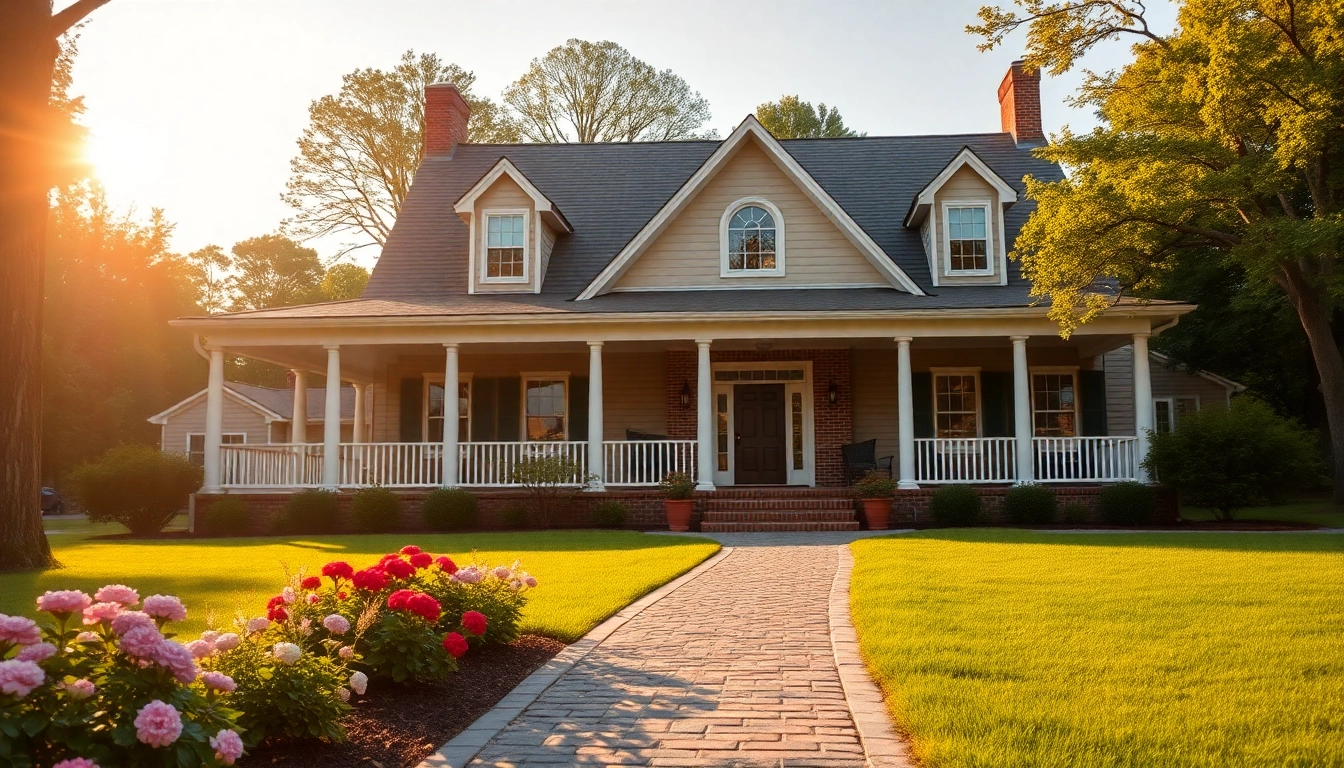
Understanding Colonial Home Build Styles
Overview of Colonial Architecture
Colonial architecture originated from early American settlements, showcasing characteristics influenced by European design. It embodies both historical significance and aesthetic appeal, drawing inspiration primarily from the architecture of England and the Netherlands in the 17th and 18th centuries. Working within the constraints of available materials and climates, early builders created homes that still resonate today in aesthetic and functional terms. The hallmark of colonial architecture is symmetry, characterized by a rectangular shape, equally spaced windows, and a centered front door that commands equal attention on both sides.
As you explore a colonial home build, expect to find features like gable roofs, dormers, and brick or wood siding, each element reflecting the region’s history and resources. Understanding the nuances of colonial architecture can guide potential homeowners in selecting designs that honor this remarkable period while also addressing modern needs.
Key Features of Colonial Home Builds
Colonial homes are recognized for their distinctly attractive features. Key attributes include:
– Symmetry: The facade is often designed to look balanced, with identical windows and a centered entryway, giving colonial homes an elegant look.
– Gabled Roofs: This feature not only allows for effective rain runoff but also provides architectural interest and additional attic space.
– Dormer Windows: These are commonly found in colonial home builds, allowing natural light to enter the attic or upper floors.
– Colonial Trim: Detailing around windows, doors, and eaves is vital, often featuring crown molding and wooden features that showcase craftsmanship.
– Fireplaces: Usually placed in the center of homes, these create a focal point and often serve both functional and aesthetic purposes.
Incorporating these features into your colonial home build can help create a sense of authenticity while also providing comfort and modernized convenience.
Regional Variations in Colonial Homes
Colonial architecture varies significantly across regions, reflecting local materials, climate, and cultural influences. Notable variations include:
– New England Colonial: Characterized by steep roofs and large central chimneys, these homes often feature clapboard siding and are designed to withstand harsh winters.
– Southern Colonial: These homes typically boast large porches and tall columns, designed for ventilation and style. They are often painted in light colors to reflect sunlight.
– Dutch Colonial: With a distinct gambrel roof, this style is recognizable by its wide roof eaves and unique facade.
– Spanish Colonial: This variation incorporates stucco exteriors and red-tile roofs, reflecting the influence of Spanish settlers.
Understanding these regional variations can enhance your design choices, allowing you to establish a home that is deeply rooted in local history.
Planning Your Colonial Home Build
Setting a Budget
Establishing a budget is crucial for any home build. For a colonial home build, the financial scope can vary significantly based on size, location, and required materials. Begin by estimating costs for:
– Land Acquisition: Research market prices in your desired area.
– Design and Permitting Fees: These can include costs for architectural plans, surveying, and necessary permits.
– Building Materials: Colonial homes often use high-quality materials, from bricks to woods, which can significantly impact costs.
– Labor Costs: Factor in the expense of skilled laborers, including contractors and builders, who specialize in colonial architecture.
A comprehensive budget that covers these areas will help ensure your project progresses smoothly without unexpected financial strain.
Selecting a Suitable Location
Choosing the right location for your colonial home build is as significant as your design choices. Consider factors such as:
– Historical Context: Areas with a rich colonial history often possess the charm and context that complement a colonial build.
– Community Amenities: Proximity to schools, parks, shopping, and healthcare facilities improve quality of life.
– Zoning Laws: Be aware of local regulations concerning home design and construction to ensure compliance throughout your build.
– Environmental Factors: Look for suitable land that considers possibly unpredictable weather conditions and availability of natural resources.
Selecting a location that aligns with your lifestyle while respecting the architectural history of colonial designs is vital.
Choosing the Right Architect
A skilled architect can transform your vision of a colonial home into a reality. Select an architect with experience in colonial architecture. Key considerations for choosing the right professional include:
– Portfolio of Work: Examine previous projects to gauge their style and approaches to colonial design.
– Understanding of Local Codes: Ensure your architect is knowledgeable about local building codes and regulations, as this is essential for smooth project progression.
– Communication Skills: Effective communication ensures your vision and feedback are integrated throughout the design process.
– Compatibility: It’s essential to feel a connection with your architect to foster collaborative work dynamics and mutual understanding of expectations.
Involving the right architect early in the process can steer your colonial home build toward success.
Design Elements in Colonial Home Build
Interior Design Considerations
When designing the interior of your colonial home build, focus on harmonizing traditional elements with contemporary styles. Key design considerations include:
– Color Palette: Choose classic, muted colors like warm whites, soft blues, and browns that reflect the home’s traditional aesthetic.
– Flooring: Wide, hardwood floorboards enhance the historical feel. Consider natural materials that are durable and complement colonial styles.
– Fireplace as Focal Point: Integrate stone or brick fireplaces that serve as a central gathering place, reflecting historical authenticity.
– Furniture Choices: Invest in period-appropriate furniture that combines both comfort and style. Focus on robust, handcrafted pieces that can last generations.
Avoid overwhelming the space with decor. Instead, select meaningful pieces that tell a story and connect with the colonial theme.
Exterior Aesthetics that Matter
The exterior design of a colonial home is fundamental to its character. Aspects to concentrate on include:
– Facade Materials: Opt for brick, clapboard siding, or stone, depending on the regional variation you choose. Preservation of historical materials can reflect an authentic appearance.
– Window Styles: Use double-hung windows with shutters to enhance the symmetry and tradition of colonial aesthetics.
– Entrances and Porches: Grand entryways, surrounded by columns or porches, evoke a welcoming feel, inviting visitors into the home.
– Roof Design: Consider the roof pitch and material to balance aesthetics with practical considerations regarding weather resilience.
The right exterior elements can greatly enhance the beauty and value of your colonial home build.
Landscaping Ideas for Colonial Homes
Landscaping plays a crucial role in enhancing the overall charm of colonial homes. Consider the following ideas:
– Formal Gardens: Incorporate neatly trimmed hedges, symmetrical flower beds, and pathways to reflect the structured nature of colonial architecture.
– Trees and Shrubs: Plant indigenous trees and shrubs that complement your home and create natural separation from neighbors.
– Functional Outdoor Spaces: Create outdoor living spaces, such as patios or porches, to extend the comfort of your interior spaces into the landscape.
– Historic Elements: Incorporate features such as arbors, trellises, or benches that resonate with the colonial aesthetic, providing both beauty and functionality.
Effective landscaping can bridge your colonial home with its environment, enhancing both beauty and usability.
Construction Process of Colonial Home Build
Finding Reliable Contractors
Selecting the right contractors is fundamental to your colonial home build. To ensure a successful build:
– Ask for Recommendations: Consult with friends, family, and your architect for reputable contractors experienced in colonial home construction.
– Check References: Visit previous projects and speak with past clients to gauge the contractor’s reliability, craftsmanship, and ability to meet deadlines.
– Get Multiple Quotes: Comparing estimates allows for informed decisions about the scope of work and budget considerations.
– Assess Skill Sets: Ensure your chosen contractors are skilled in handling specific historical elements that your colonial home may require.
Engaging dependable contractors will help safeguard the quality and integrity of your colonial home build.
Understanding Building Codes and Regulations
Before commencing your colonial home build, familiarize yourself with local building codes and regulations crucial to ensuring a compliant structure. Key steps include:
– Research Local Codes: Learn about zoning laws, setbacks, and any restrictions on building materials or aesthetics.
– Apply for Permits: Securing necessary permits is often the responsibility of your contractor, but understanding the process will keep you informed.
– Periodic Inspections: Government officials may require inspections during various build stages to ensure that construction meets safety standards.
Understanding these regulations early in the process will aid in avoiding costly delays and complications.
Timeline for Your Project
Establishing a clear timeline for your colonial home build is essential for effective planning and management. Consider following these steps:
– Initial Planning: Allow time for research, budgeting, and communication with your architect and contractors. This phase can take several months.
– Design Phase: Depending on complexity, finalize architectural plans within 2-6 months. Maintain regular communication with your architect for feedback.
– Permitting and Approvals: Obtaining permits may require 1-3 months, so plan accordingly.
– Construction Timeline: Based on complexity, construction may take anywhere from 6 months to over a year. Regular check-ins with contractors will keep the project on track.
Creating a detailed timeline will promote accountability and transparency, ultimately resulting in a more successful colonial home build.
Maintenance and Longevity of Colonial Home Build
Regular Maintenance Tips
To ensure your colonial home remains beautiful and functional, adhering to maintenance schedules is essential. Key maintenance tips include:
– Seasonal Inspections: Conduct inspections in spring and fall to evaluate roof integrity, siding conditions, and landscape health.
– Gutter Maintenance: Regularly clean and inspect gutters to prevent water damage. Clogged gutters can lead to structural issues over time.
– Window Treatments: Periodically check and repair windows, ensuring they open and close properly to mitigate energy loss.
– Painting and Staining: Touch up or repaint your exterior every 5 to 10 years to protect materials against weather damage.
Consistent maintenance can extend the lifespan and aesthetics of your colonial home build significantly.
Common Issues to Watch For
Even the best-maintained homes can experience issues. Common concerns inherent to colonial homes include:
– Foundation Issues: Look for signs of settling, such as cracks or uneven floors, and consult professionals for serious problems.
– Moisture and Mold: Colonial homes often have basements that can be prone to dampness; ensure adequate drainage and ventilation.
– Drafts and Insulation: Older homes may lack sufficient insulation. Regularly check windows and doors for draftiness and seal as needed.
– Wood Rot and Insect Infestation: Regularly examine wooden features for signs of decay or pests.
Being proactive about monitoring these issues can help protect your colonial home over time.
Ensuring Longevity Through Upgrades
Investing in upgrades can enhance the longevity and efficiency of your colonial home. Consider the following:
– Energy-efficient Windows: Replacing older windows with energy-efficient models can significantly reduce monthly energy costs while enhancing comfort.
– HVAC Systems: Upgrading heating and cooling systems can improve efficiency, especially in homes built before modern systems existed.
– Insulation Improvements: Adding insulation to walls and attics helps improve energy efficiency, temperature regulation, and comfort.
– Smart Home Technology: Consider integrating smart home features that can streamline daily tasks and improve energy management.
These upgrades not only contribute to your home’s longevity but also bolster its market value.
FAQs
1. What are the average costs of building a colonial home?
The cost of building a colonial home can vary widely but typically ranges from $150 to $250 per square foot, depending on location and materials.
2. How long does it take to construct a colonial home?
On average, building a colonial home takes between 6 months to a year, depending on complexity and weather conditions.
3. Can I customize a colonial home design?
Yes, colonial homes can be customized. Collaborate with your architect to incorporate modern elements while respecting historical designs.
4. Are colonial homes energy efficient?
Colonial homes, especially older constructions, may require upgrades to improve energy efficiency, including insulation and windows.
5. What maintenance tasks are crucial for colonial homes?
Regular maintenance tasks include inspecting roofs, cleaning gutters, checking for drafts, and monitoring for moisture or rot issues.