
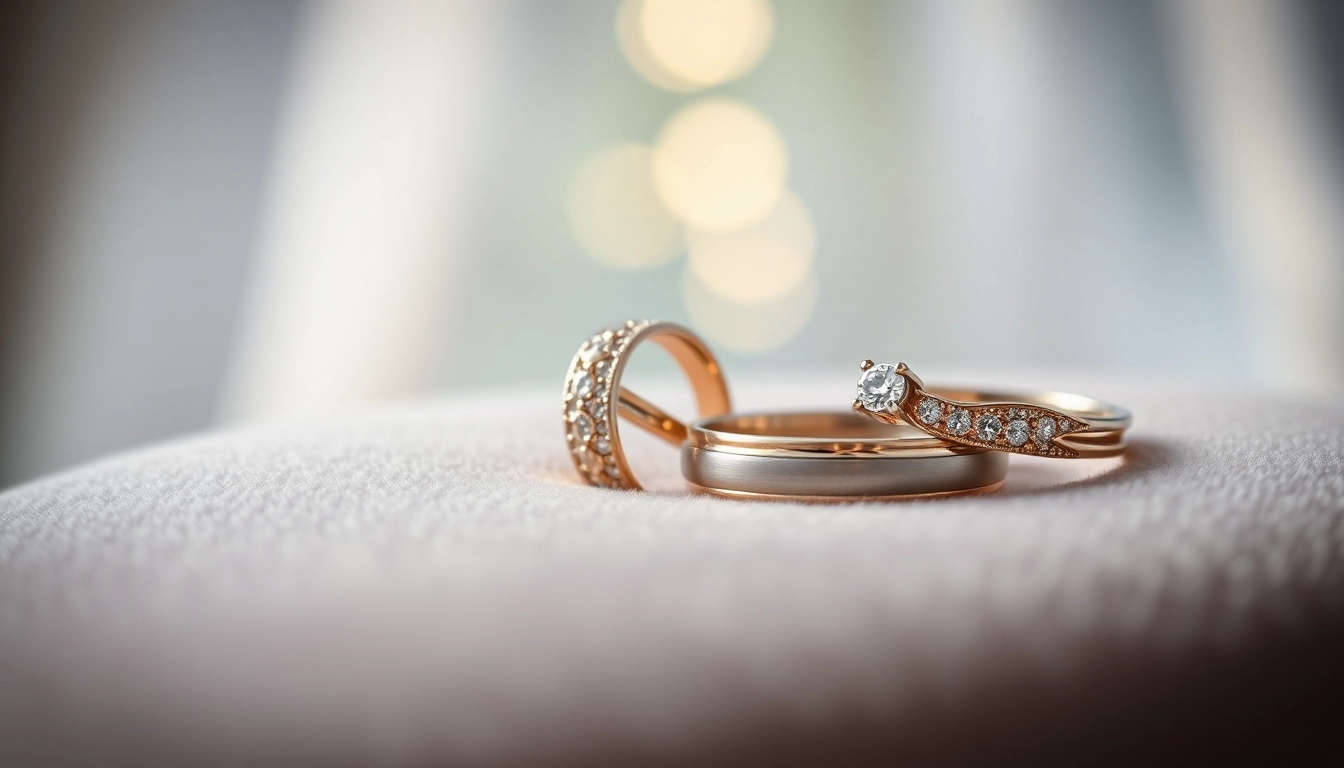
Understanding Wedding Bands: The Perfect Symbol of Love
Wedding bands represent an enduring symbol of love that binds two individuals together in a lifelong commitment. Often an integral part of marriage ceremonies, Wedding bands not only signify the promise of fidelity but also allow couples to express their unique styles and personalities. In this comprehensive guide, we will delve into the history, significance, and factors to consider when selecting the perfect wedding bands.
The History of Wedding Bands
The tradition of wearing wedding bands dates back to ancient civilizations, where they were crafted from materials that were symbolically meaningful. Ancient Egyptians used woven reeds and other materials not just for their beauty but also for their inherent symbolism of eternity. Fast forward to the Roman era; rings made from iron, which represented strength, became the style of choice, marking a transition to more durable materials in the wedding band timeline.
As society evolved, so did the conception of wedding bands. With the introduction of precious metals like gold and silver, the rings became not only a token of love but a sign of wealth and social standing. Today, the styles and materials of wedding bands continue to evolve, reflecting contemporary values while honoring historical traditions.
Significance of Wedding Bands Today
In modern society, the significance of wedding bands goes beyond their aesthetic appeal. They serve as a daily reminder of the vows exchanged and the life created together. Many couples today personalize their bands, embedding messages or symbols that resonate with their journey. Wedding bands are often worn throughout various life stages—from the excitement of engagement to the milestones of anniversaries. They serve as a lasting testament to love, unity, and shared experiences.
Popular Styles and Designs of Wedding Bands
The design landscape of wedding bands is incredibly diverse, catering to various tastes and preferences. Popular styles include:
- Classic Bands: Simple and elegant, these rings often feature a smooth, polished finish.
- Vintage Styles: Inspired by historical designs, vintage wedding bands may include intricate engravings or filigree work.
- Gemstone-Set Bands: Many couples opt to incorporate diamonds or other gemstones into their wedding bands for added flair.
- Stackable Rings: A trend that allows for multiple rings to be stacked together, providing versatility and personalization.
- Custom Designs: More couples are choosing to create bespoke designs that represent their unique stories.
Choosing the Right Wedding Bands for Your Style
Factors to Consider When Selecting Wedding Bands
When venturing into the selection process for wedding bands, several factors should be kept in mind:
- Personal Style: Consider what clothing you typically wear and what colors or materials might complement your wardrobe.
- Comfort: Since wedding bands are usually worn daily, comfort should be a priority. Look for ergonomic designs.
- Durability: Choose materials that can withstand everyday wear and tear, especially for active lifestyles.
- Budget: Establish a realistic budget that aligns with your financial situation without compromising on quality.
- Future Integration: Think about how your wedding bands will match with any engagement rings, as well as possible future additions.
Matching Wedding Bands with Engagement Rings
Finding wedding bands that complement engagement rings enhances the overall aesthetic of bridal jewelry. Couples often choose to match the materials, such as opting for a gold wedding band to complement a gold engagement ring. Additionally, considering the width, style, and design is essential to ensure a harmonious look. Many jewelry designers also offer sets that are specifically crafted to be worn together, simplifying the matching process.
Personalizing Your Wedding Bands: Options and Ideas
Personalization is a splendid way to imbue wedding bands with unique meaning. Popular options for customization include:
- Engravings: Personalized messages, initials, or significant dates can be engraved on the inside or outside of the band.
- Special Symbols: Incorporating symbols that hold personal meaning—like a family crest or infinity symbol—can make bands more personal.
- Mixed Metals: Some couples opt for bands made of different metals to signify the blending of their lives and paths.
- Unique Shapes: Non-traditional shapes or designs can set your wedding bands apart, allowing couples to express individuality.
Understanding Materials: What Wedding Bands Are Made Of
Precious Metals: Gold, Platinum, and More
The choice of material is crucial when selecting wedding bands as it affects both aesthetics and longevity. Commonly favored precious metals include:
- Gold: Available in yellow, white, and rose hues, gold is a classic choice that symbolizes love and commitment.
- Platinum: Known for its durability and hypoallergenic properties, platinum is an excellent choice for those with sensitive skin.
- Palladium: A lightweight and corrosion-resistant metal, palladium is becoming popular for its aesthetic similarity to platinum.
- Sterling Silver: While more affordable, sterling silver does tarnish over time and may require regular maintenance.
Alternative Materials for Unique Wedding Bands
For those interested in non-traditional options, there are various alternative materials that have gained popularity:
- Titanium: Highly durable and lightweight, titanium bands are a great option for an active lifestyle.
- Tungsten Carbide: Known for its scratch resistance and weighty feel, tungsten carbide is a sturdy alternative.
- Wood: Some couples choose wooden wedding bands for their organic aesthetic and connection to nature.
- Resin: This material allows for remarkable designs, often incorporating colors or even flowers, for a truly unique piece.
Pros and Cons of Different Materials for Wedding Bands
Before making a final decision, it’s important to weigh the pros and cons of different materials:
- Gold: Traditional and valuable, gold can scratch and wear down over time.
- Platinum: While expensive, its durability as a dense metal means it holds up exceptionally well.
- Wood: Unique and biodegradable, wood may require greater care to maintain its beauty.
- Titanium: Resistant to corrosion but cannot be resized easily.
Caring for Your Wedding Bands: Maintenance Tips
Cleaning Your Wedding Bands: Best Practices
To preserve the beauty of your wedding bands, regular cleaning is essential. Here are some best practices:
- Use a Soft Cloth: Regularly wipe down rings with a soft cloth to remove build-up and reduce tarnishing.
- Soap and Water: Occasionally, soak the band in warm soapy water and gently scrub with a soft brush.
- Avoid Harsh Chemicals: Stay clear of bleach or other strong chemicals that could tarnish or damage jewelry.
- Professional Cleaning: Visit a jeweler regularly for deep cleaning and inspection to maintain quality.
Protecting Your Wedding Bands from Damage
To keep your wedding bands in excellent condition, consider these protective measures:
- Remove During Activities: Always take your rings off when engaging in sports or manual labor to avoid scratches.
- Avoid Exposure: Limiting exposure to harsh chemicals or environments helps maintain the integrity of the material.
- Store Safely: Keep your rings in a secure box to prevent accidental damage from other jewelry.
When to Seek Professional Help for Wedding Bands
If your wedding bands experience noticeable scratches, loss of stones, or significant tarnishing, seeking professional help is advised. A reputable jeweler can assess the condition and provide cleaning, polishing, or repairs, ensuring your bands maintain their beauty and integrity over time.
Budgeting for Wedding Bands: Affordability Explained
Average Costs of Wedding Bands: What to Expect
Understanding the average costs of wedding bands can help couples make informed decisions. On average, classic wedding bands range from a few hundred to several thousand dollars, depending on the material, design, and craftsmanship. Platinum bands tend to be at the higher end of the price spectrum, while gold and alternative materials offer more affordable options for various budgets.
Finding Budget-Friendly Wedding Bands without Compromise
Finding the perfect wedding bands that fit within your budget doesn’t mean compromising quality. Here are some strategies:
- Shop Sales: Keep an eye out for seasonal sales or promotions to snag high-quality bands at discounted prices.
- Consider Alternative Metals: Choices like titanium or tungsten can offer durability and style without the hefty price tag.
- Set a Realistic Budget: Clearly define your budget before shopping and focus on options that are within that range.
Financing Options for Wedding Bands: Smart Choices
Many jewelers offer financing plans that allow couples to pay for their wedding bands over time. If you choose to utilize financing, be sure to understand the terms, interest rates, and monthly payments before committing. Some stores may provide layaway plans, allowing you to secure your purchase and make manageable payments without incurring debt.
Frequently Asked Questions
What is the average cost of wedding bands?
The average expense typically ranges from $300 to $2,000 or more, depending on materials and style.
How should I clean my wedding band?
Use a mild soap solution and a soft brush, then rinse with clean water and dry with a soft cloth.
Can I customize my wedding band?
Absolutely! Many jewelers offer engraving, unique designs, and mixed materials for personalization.
What material is best for wedding bands?
The best material depends on personal preference, durability needs, and potential allergies to metals.
How do I know my wedding band size?
Visit a jeweler for professional sizing, or use a ring size chart at home with a ring that fits well.