
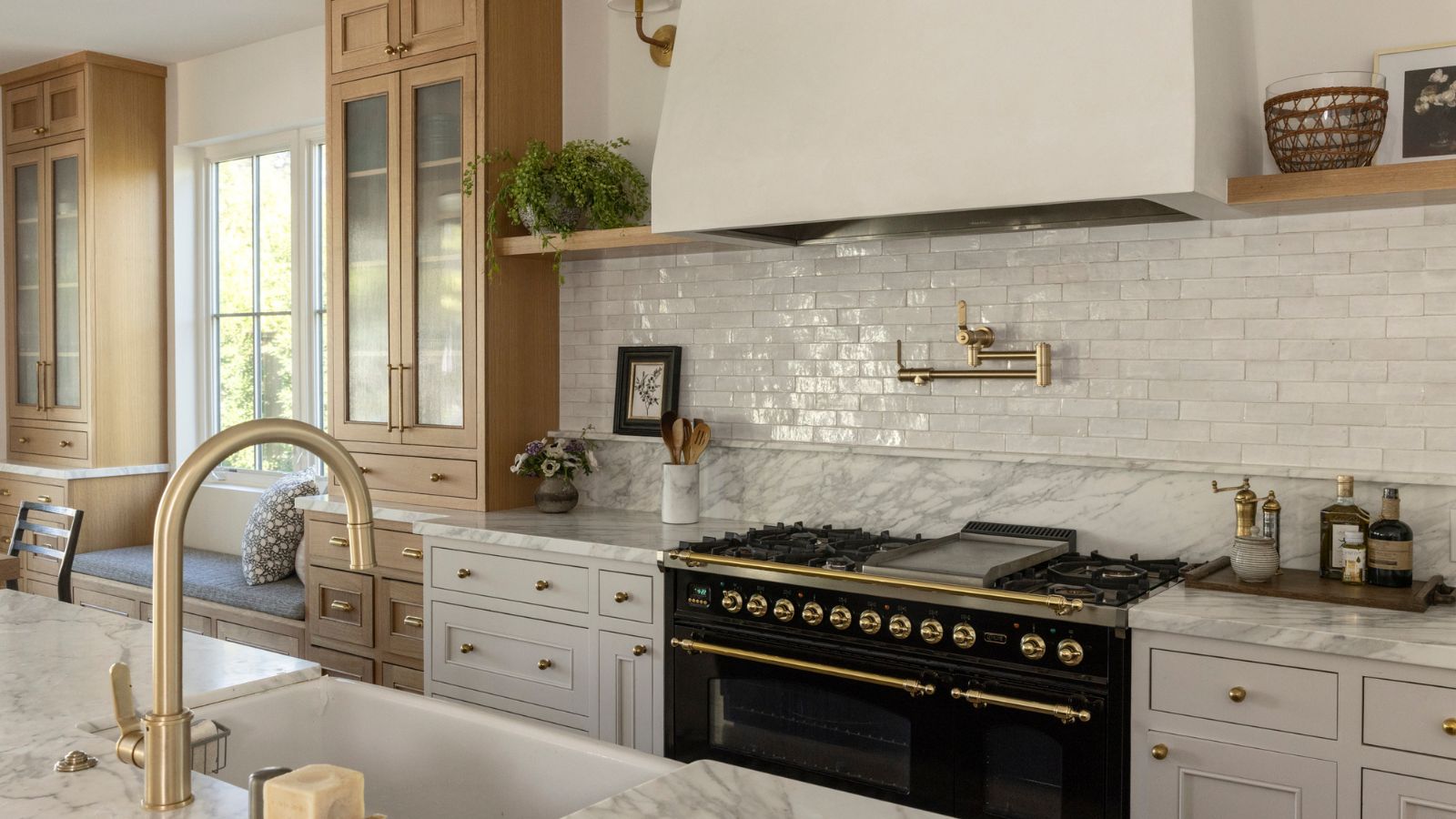
In today’s high-end residential design landscape, selecting the right countertop materials for luxury homes is no longer just a matter of aesthetics; it’s a strategic decision that impacts durability, value, and long-term satisfaction. From ultra-modern penthouses to timeless estates, homeowners and designers are prioritizing surfaces that combine visual elegance with performance. Leading manufacturers such as Hyundai L&C are helping shape this evolution by offering engineered surfaces that meet the demands of modern luxury living.
This guide explores the most desirable countertop materials for luxury homes in 2026, what makes them stand out, and how to choose the right surface for different design goals. Whether you are a homeowner, architect, or interior designer, understanding these materials will help you make more informed and future-ready decisions.
Why Countertop Materials Matter in Luxury Home Design
Luxury homes are defined by attention to detail, and countertops are one of the most visible and frequently used surfaces in any space. The right material must balance:
- Aesthetic sophistication
- Long-term durability
- Ease of maintenance
- Resistance to stains, heat, and scratches
- Sustainability and material safety
In modern architecture, countertops are no longer secondary design elements. They often serve as focal points in kitchens, bathrooms, and even living spaces.
Top Countertop Materials for Luxury Homes in 2026
1. Engineered Quartz: The Modern Luxury Standard
Engineered quartz remains one of the most sought-after countertop materials for luxury homes due to its consistency, strength, and refined appearance.
Key advantages include:
- Non-porous surface that resists stains and bacteria
- Wide range of colors and marble-inspired designs
- Minimal maintenance compared to natural stone
- High durability for busy kitchens
Luxury homeowners often choose quartz because it delivers a clean, polished look without the unpredictability of natural stone veining.
Manufacturers like Hyundai L&C have played a significant role in elevating quartz technology, offering designs that replicate rare stones while maintaining superior performance.
2. Natural Marble: Timeless Elegance
Marble continues to represent classic luxury, often used in high-end kitchens, bathrooms, and statement islands.
Benefits include:
- Unique natural veining patterns (no two slabs are alike)
- Timeless aesthetic appeal
- High resale value in luxury properties
However, marble requires careful maintenance due to its porous nature. It can stain or etch when exposed to acids, making it more suitable for low-traffic or decorative applications.
Despite its limitations, marble remains a symbol of prestige in luxury interior design.
3. Porcelain Slabs: Ultra-Modern Performance
Porcelain has rapidly gained popularity among architects seeking sleek, minimalist surfaces. It is now considered one of the most innovative countertop materials for luxury homes.
Key features:
- Extremely heat-resistant
- UV-resistant (ideal for indoor and outdoor kitchens)
- Lightweight compared to stone
- Available in large-format slabs for seamless installations
Porcelain can convincingly mimic marble, concrete, and even metal finishes, making it highly versatile for modern design concepts.
4. Granite: Natural Strength and Character
Granite remains a reliable choice for homeowners who value natural stone with bold visual patterns.
Advantages include:
- High resistance to heat and scratches
- Natural beauty with unique mineral patterns
- Long lifespan when properly sealed
While granite requires periodic sealing, it remains a strong contender for luxury kitchens that prioritize durability and natural aesthetics.
5. Solid Surface Materials: Seamless Design Flexibility
Solid surface materials offer a smooth, uniform look ideal for contemporary interiors.
Benefits:
- Seamless installation (no visible joints)
- Easy repair and refinishing
- Hygienic, non-porous composition
- Flexible design possibilities, including integrated sinks
These surfaces are often used in minimalist luxury homes where clean lines and continuity are essential.
Emerging Trends in Luxury Countertop Design (2026)
Luxury design is evolving rapidly, and countertop materials are reflecting broader shifts in lifestyle and technology.
1. Minimalist Monolithic Surfaces
Large-format slabs with minimal seams are becoming the standard for modern kitchens. This creates a clean, uninterrupted visual flow.
2. Natural Stone Aesthetics with Engineered Performance
Homeowners increasingly prefer materials that look like marble or quartzite but offer superior durability and lower maintenance.
3. Sustainable Material Choices
Eco-conscious design is now a priority. Many manufacturers are focusing on reduced emissions, recycled content, and responsible sourcing.
4. Matte and Soft-Touch Finishes
Glossy surfaces are being replaced by matte textures that provide a more understated luxury feel.
How to Choose the Right Countertop Material for Your Luxury Home
Selecting the ideal surface depends on lifestyle, design goals, and long-term expectations.
Step 1: Evaluate Usage
- High-traffic kitchens → quartz or porcelain
- Decorative islands → marble or specialty stone
- Outdoor kitchens → porcelain or granite
Step 2: Define Design Style
- Modern minimalist → quartz or solid surface
- Classic luxury → marble or granite
- Industrial aesthetic → concrete-look porcelain
Step 3: Consider Maintenance
If low maintenance is a priority, engineered surfaces like quartz are ideal. Natural stones require more care but offer unmatched uniqueness.
Step 4: Think Long-Term Value
Countertops are a long-term investment. Choosing durable, timeless materials ensures lasting appeal and property value retention.
Why Engineered Surfaces Are Leading the Luxury Market
The rise of engineered materials reflects a shift in how luxury is defined. Today, luxury is not just about rarity; it’s about performance, consistency, and intelligent design.
Brands like Hyundai L&C have contributed significantly to this shift by developing surfaces that combine advanced engineering with sophisticated aesthetics. Their focus on innovation allows designers to achieve high-end looks without sacrificing functionality.
Design Tips for Luxury Countertop Integration
To maximize the impact of your countertop materials for luxury homes, consider these design strategies:
- Pair light countertops with dark cabinetry for contrast
- Use waterfall edges for a dramatic architectural effect
- Integrate lighting beneath overhangs for ambiance
- Match backsplash materials for visual continuity
- Keep clutter minimal to highlight surface texture
These details elevate countertops from functional elements to design statements.
Common Mistakes to Avoid
Even premium materials can underperform if not selected or installed correctly. Avoid these common errors:
- Choosing aesthetics over practicality
- Ignoring maintenance requirements
- Overlooking edge profile design
- Using porous stone in high-spill areas without sealing
- Poor slab matching in large installations
Proper planning ensures both beauty and longevity.
Final Thoughts
The world of countertop materials for luxury homes continues to evolve, blending advanced engineering with timeless design principles. From the natural elegance of marble to the precision of engineered quartz and porcelain, today’s homeowners have more sophisticated options than ever before.
As expectations for durability, sustainability, and design flexibility continue to rise, materials developed by leaders like Hyundai L&C are setting new standards for luxury interiors.
Choosing the right countertop is ultimately about balancing lifestyle needs with design vision. When done correctly, it becomes more than a surface it becomes a defining feature of the home itself.