
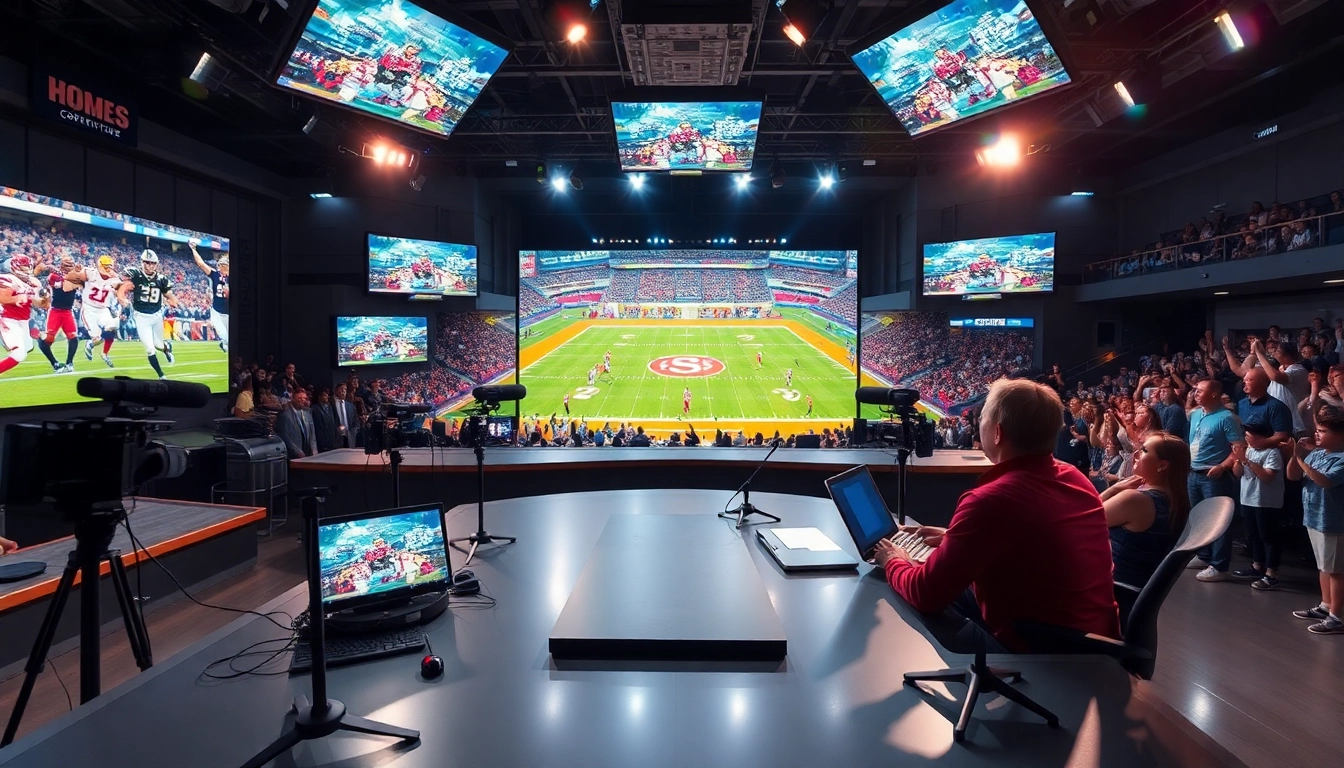
Understanding the Landscape of Sports Broadcasting
Sports broadcasting is a dynamic and evolving industry that captivates millions of viewers globally. It encompasses the live coverage and reporting of sports events across various platforms, including television, radio, and increasingly, digital channels. With the advent of new technologies and changes in viewer preferences, understanding the complexities of this landscape is essential for both broadcasters and fans alike. The rise of streaming services and social media has transformed how content is consumed, making it imperative to adapt and innovate continuously. Here, we delve into the evolution, role of technology, and the current trends shaping the Sports Broadcasting sector.
The Evolution of Sports Broadcasting
Sports broadcasting has a rich history dating back to the early 20th century. The first radio broadcasts of sports events began in the 1920s, with baseball being the pioneering sport. This initial foray into sports coverage laid the groundwork for the establishment of more sophisticated sports network channels in subsequent decades. The introduction of television in the 1950s revolutionized sports broadcasting, allowing fans to experience events live from the comfort of their homes. The explosion of cable television in the 1980s led to the proliferation of sports channels, giving rise to dedicated networks that provided extensive coverage of a range of sports.
Today, sports broadcasting encompasses various formats, including traditional linear television, on-demand streaming services, and social media platforms, each presenting unique opportunities and challenges. The shift toward digital broadcasting has not only broadened accessibility but has also democratized content creation, allowing fans and amateur analysts to share their insights and opinions with larger audiences.
The Role of Technology in Sports Broadcasting
Technology has been a significant catalyst in the evolution of sports broadcasting. Innovations such as high-definition video, slow-motion replays, and drone cameras have enhanced viewers’ experiences, providing them with a closer and more engaging perspective of live events. Furthermore, the adoption of virtual reality (VR) and augmented reality (AR) technologies promises to create immersive viewing experiences that allow fans to feel as if they are part of the action.
Data analytics also plays a pivotal role in modern sports broadcasting. Broadcasters increasingly rely on real-time data to deliver in-depth statistics and insights during live games, enriching the viewer’s understanding of the action. Mobile applications linked to sports networks are increasingly providing fans with personalized content, further enhancing engagement and viewership.
Identifying Key Trends in Sports Broadcasting
The sports broadcasting landscape is continuously transforming, influenced by several key trends:
- Increased Streaming Options: More viewers are gravitating towards streaming services, necessitating traditional networks to adapt their content strategies.
- On-Demand Viewing: Audiences increasingly prefer on-demand platforms that allow them to watch sports at their convenience.
- Social Media Interactivity: Platforms like Twitter and Instagram play a significant role in fan engagement, providing real-time commentary and interactions.
- Enhanced Fan Experience: Augmented reality and virtual reality technologies are being integrated into broadcasts to create uniquely immersive experiences.
- Focus on Niche Sports: As mainstream sports broadcasting expands, there is a growing interest in niche sports, which are now receiving dedicated coverage.
Best Practices for Sports Broadcasting
Create Compelling Content
Creating compelling content is vital in attracting and retaining viewership in the crowded sports broadcasting space. To stand out, broadcasters must focus on storytelling, providing deep context, and background that enriches the viewing experience. Highlighting athlete personalities, historical rivalries, and key moments transforms a simple broadcast into an engaging narrative that captivates audiences.
Engaging the Audience with Interactive Elements
Incorporating interactive elements can significantly enhance viewer engagement. Live polls, social media integration, and real-time commentary allow audiences to participate, creating a two-way dialogue between broadcasters and viewers. This engagement is essential in the era of digital media, as fans expect to be part of the conversation surrounding their favorite sports.
Optimizing Broadcast Quality
The quality of the broadcast can make or break the viewer experience. High-definition (HD) and ultra-high-definition (UHD) broadcasts provide viewers with stunning visuals that enhance the experience. Consideration should also be given to audio quality, which should ensure clear commentary and the ambient sounds of the sport being broadcast. Regularly investing in state-of-the-art broadcasting equipment is necessary to keep up with industry standards.
Monetization Strategies in Sports Broadcasting
Revenue Models: Advertising vs. Subscriptions
Understanding revenue models is essential for the long-term success of sports broadcasting. Traditionally, advertising has been the primary revenue source, where ad placements during broadcasts generate income from sponsors. However, with the rise of subscription-based services, there is a significant shift towards monetizing content through viewer subscriptions. Striking a balance between ads and subscription pricing is crucial for maximizing profitability while retaining viewer loyalty.
Sponsorship Opportunities in Sports Broadcasting
Sponsorships provide another pathway for monetization in sports broadcasting. Brands increasingly seek partnerships with sports networks to align themselves with popular events and athletes. Effective sponsorships can enhance brand visibility while providing broadcasters with additional revenue streams. Innovative sponsorship formats such as product placements and branded content within broadcasts can create mutually beneficial outcomes for both sponsors and broadcasters.
Leveraging Social Media for Revenue Growth
Social media has become a powerful tool for monetizing sports broadcasting. Platforms such as Facebook, YouTube, and Twitter allow broadcasters to reach wider audiences and create additional revenue opportunities. By creating shareable content, broadcasters can increase their viewership and engagement. Furthermore, integrating sponsored content and promotions through these platforms can generate substantial revenue while enhancing brand partnerships.
Challenges in Sports Broadcasting
Adapting to Changing Viewer Preferences
The shift in viewer preferences poses challenges for traditional sports broadcasting networks. With younger audiences preferring on-demand and mobile viewing options, broadcasters must adapt their strategies accordingly. Embracing new platforms and being agile in response to viewer feedback is vital to stay relevant in a competitive environment.
Navigating Copyright and Licensing Issues
Copyright and licensing issues present ongoing challenges in sports broadcasting. Securing rights to broadcast specific events is essential but can be cost-prohibitive. Broadcasters must navigate complex licensing agreements while ensuring compliance with regulations to prevent potential legal disputes.
Managing Competition from Streaming Services
The rise of streaming services has created intense competition for traditional sports broadcasters. To remain competitive, broadcasters must innovate continually, enhancing their offerings to attract and retain audiences. Developing strategic partnerships with streaming platforms can provide unique opportunities to complement traditional broadcasts.
Future of Sports Broadcasting
Emerging Technologies in Sports Broadcasting
The future of sports broadcasting will undoubtedly be shaped by emerging technologies. Innovations such as 5G networks will facilitate faster and more reliable streaming, enhancing viewer experiences. Additionally, artificial intelligence (AI) will streamline content creation and curation, allowing broadcasters to personalize content for audiences based on their preferences.
The Impact of eSports on Traditional Broadcasting
eSports has emerged as a significant player in the sports broadcasting landscape. Traditional broadcasters are beginning to recognize the potential of eSports, which attract massive audiences, especially among younger demographics. Integrating eSports into mainstream broadcasts can help broadcasters reach new viewers while diversifying their content strategies.
Predicting Viewer Engagement Trends
As sports broadcasting continues to evolve, predicting trends in viewer engagement will be crucial for success. With the rise of interactivity and personalized experiences, broadcasters must stay attuned to audience preferences, making adjustments to meet evolving demands. Analyzing data and fostering platforms for viewer feedback will play key roles in shaping future engagement strategies.
Frequently Asked Questions (FAQs)
What is sports broadcasting?
Sports broadcasting involves live coverage and reporting of sports events through television, radio, and online platforms to entertain and inform fans worldwide.
How has technology changed sports broadcasting?
Technology has enhanced sports broadcasting through high-definition video, data analytics, and interactive features, creating an immersive and engaging viewer experience.
What are the primary revenue models in sports broadcasting?
Sports broadcasting primarily generates revenue through advertising and subscription models, with increasing interest in sponsorship opportunities and social media monetization.
What challenges do sports broadcasters face?
Challenges include adapting to changing viewer preferences, navigating copyright issues, and competing with streaming services that cater to modern audiences.
What is the future of sports broadcasting?
The future will see more integration of emerging technologies, increased focus on eSports, and the evolution of viewer engagement strategies tailored to modern audiences.