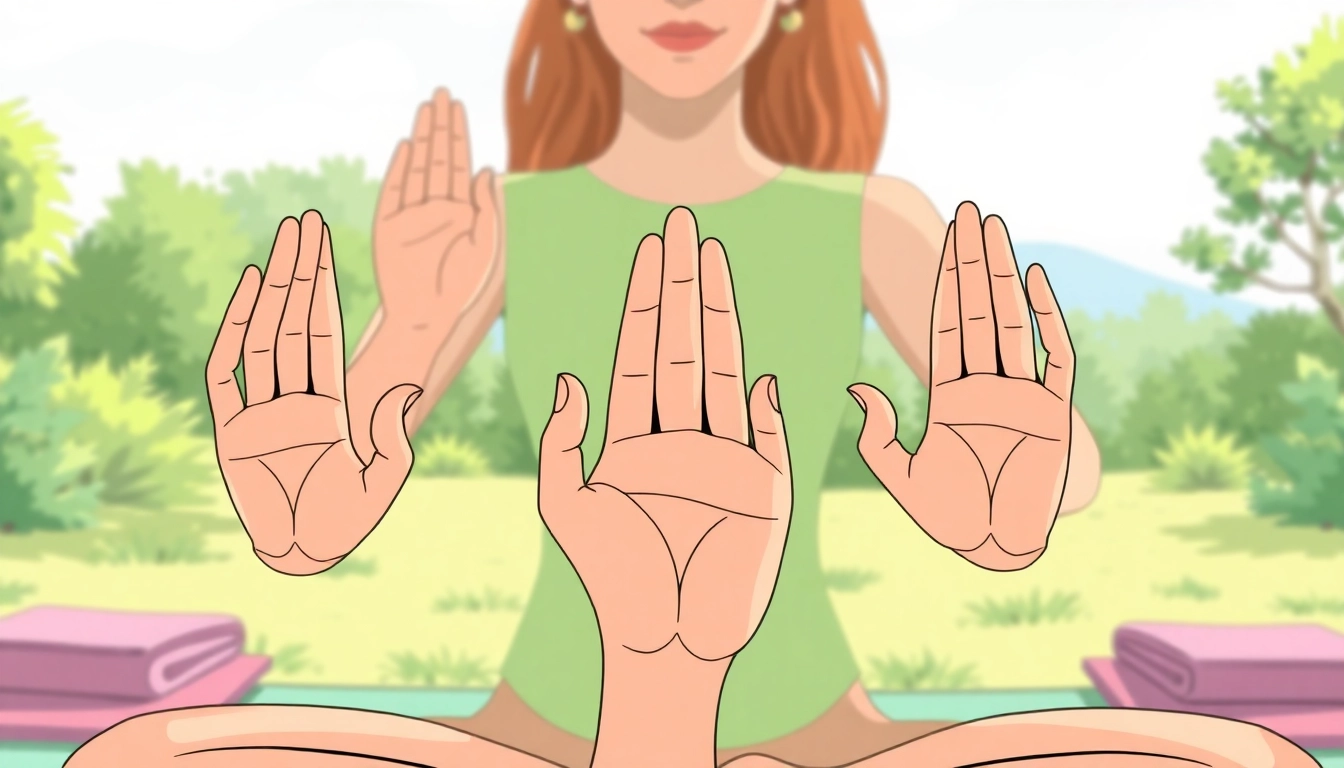
Introduction to Yoga Mudras
Yoga is an ancient practice rooted in physical postures, breath control, and meditation, designed to unite the body, mind, and spirit. Among its many components, yoga mudras occupy a special place. These gestures, often performed with the hands, are believed to channel energy, enhance concentration, and promote a steady flow of prana, or life force, throughout the body. In this comprehensive exploration, we will delve into the various aspects of yoga mudras, their historical significance, how they function, and their diverse range of benefits.
What are Mudras?
Mudras are symbolic hand gestures that have been used in yoga, meditation, and rituals throughout the ages. Derived from the Sanskrit word "mudra," which translates to "seal" or "gesture," these movements are more than mere physical exercises. They serve as pathways to influence the flow of energy within the body. By connecting the fingertips in specific ways, practitioners can create energy circuits that enhance mental, physical, and spiritual wellness.
History and Significance of Yoga Mudras
The history of mudras in yoga can be traced back to ancient India, where they were incorporated into spiritual practices and rituals. This tradition later found its way into various forms of yoga and meditation, encompassing a variety of beliefs and philosophies. In many spiritual texts, mudras are regarded as powerful tools that facilitate a deeper connection to oneself and the universe. The significance of yoga mudras extends beyond their physical practice; they embody teachings and principles that connect the practitioner with a greater purpose.
How Yoga Mudras Work
At their core, yoga mudras function by influencing the flow of energy (prana) throughout the body. Each gesture interacts with specific energy channels (nadis) and chakras, which are vital for maintaining physical, mental, and emotional health. For example, by pressing certain fingers together or positioning the hands in specific formations, practitioners can trigger corresponding responses in the body's energy systems. This is particularly evident when integrating mudras into deeper yogic practices such as pranayama, breath control, and meditation.
Types of Yoga Mudras
Common Yoga Mudras for Beginners
Beginners in yoga can easily engage with several basic yoga mudras that provide immediate benefits. These mudras often require subtle adjustments to finger positioning and can be practiced anytime, anywhere.
- Gyan Mudra: By touching the tips of the thumb and index finger together, this mudra stimulates intellect and enhances focus.
- Prana Mudra: This gesture is formed by connecting the tips of the thumb with the ring and little fingers. It helps to activate vital energy and boost immunity.
- Apana Mudra: Bringing the tips of the thumb, middle, and ring fingers together while stretching the other fingers out, this mudra is said to aid in detoxification and promote digestion.
Advanced Yoga Mudras for Practitioners
For more experienced practitioners, advanced yoga mudras can deepen the practice and enhance the overall experience. These mudras often involve intricate hand positions and are typically integrated during meditation or specific yoga sequences.
- Vari Mudra: In this mudra, the index finger is extended upwards while the others rest against the palm. This gesture symbolizes the union of the spiritual and material world.
- Shunya Mudra: By pressing the middle finger down with the thumb while keeping the other fingers extended, this mudra helps alleviate ear problems and enhances hearing.
- Vyana Mudra: This involves touching the tips of the thumb and middle finger while extending the ring and little fingers. It is thought to promote calmness and reduce anxiety.
The Symbolism Behind Yoga Mudras
Each yoga mudra carries unique symbolism and significance. For instance, the Gyan Mudra, often used in meditation, signifies knowledge and wisdom, while the Prana Mudra represents vitality and life energy. Understanding the symbolism behind these gestures enhances their practice and deepens the connection to one’s spiritual journey. Practitioners often find that invoking specific mudras during meditation or focused practice enriches their experiences and outcomes.
Benefits of Practicing Yoga Mudras
Physical Benefits of Yoga Mudras
Yoga mudras offer a range of physical benefits that can significantly enhance overall health and wellness. Many practitioners report improvements in areas such as:
- Enhanced Circulation: Specific mudras are known to stimulate blood flow, which can help with conditions related to circulation.
- Increased Flexibility: The practice of mudras can enhance nimbleness in the hands and fingers, promoting better agility and flexibility in the body.
- Improved Immune Function: Certain mudras, particularly Prana Mudra, have been linked to boosts in the immune system, helping to ward off illnesses.
Mental and Emotional Benefits of Yoga Mudras
Mudras also play a crucial role in mental and emotional health. By creating a safe space for self-exploration and reflection, practitioners often experience:
- Increased Focus: Hand positioning in mudras helps center the mind, allowing for improved concentration during meditation.
- Stress Reduction: The integration of mudras into practice can lead to lower stress levels and enhanced emotional well-being due to their grounding nature.
- Improved Mood: Regular practice of mudras helps release feel-good hormones, leading to a more balanced emotional state and enhanced mood.
Spiritual Benefits of Yoga Mudras
On a spiritual level, yoga mudras are tools for deepening self-awareness and connecting with one’s higher self. Engaging with mudras can facilitate:
- Increased Spiritual Awareness: Mudras cultivate a connection with the divine and help practitioners tap into higher states of consciousness.
- Enhanced Meditation Practice: The use of mudras can deepen meditative experiences, allowing for quieter minds and better integration of spiritual teachings.
- Balance of Energies: By aligning the energies within the body, practitioners find harmony and balance, which is essential for holistic well-being.
How to Practice Yoga Mudras
Incorporating Mudras into Your Yoga Routine
Incorporating yoga mudras into your existing yoga routine can enhance the overall effectiveness of your practice. Here are some practical steps:
- Choose the Right Mudras: Depending on your intention for the practice, select mudras that align with your goals, such as relaxation, focus, or energizing.
- Positioning: Ensure that your hands are comfortably positioned without strain. Use a seated position that supports your back for added stability.
- Incorporate with Breathing: Pairing mudras with deep, mindful breathing can amplify their effects, enhancing relaxation and mindfulness.
Tips for Effective Practice of Yoga Mudras
To maximize the benefits of practicing yoga mudras, consider these expert tips:
- Stay Consistent: Regular practice is key to feeling the full effects of yoga mudras. Aim to include them in your daily routine.
- Focus on Intention: Being clear about your intentions during your practice will help ground your experience and create space for transformation.
- Embrace Silence: Allow moments of stillness after each mudra. This silence helps internalize the energy shift between gestures.
Common Mistakes to Avoid with Yoga Mudras
While practicing yoga mudras, it's essential to be aware of common pitfalls that may hinder their effectiveness:
- Rushing the Practice: Take your time to truly connect with each mudra; hurried practices may limit benefits.
- Neglecting Comfort: If a particular mudra feels uncomfortable, re-evaluate your hand positioning to ensure a comfortable, sustained hold.
- Ignoring Mental Space: Avoid distractions during practice to foster deep meditation. Create a peaceful environment that supports focus.
Conclusion and Further Reading on Yoga Mudras
Recap of Key Points on Yoga Mudras
In summary, yoga mudras are powerful tools that facilitate the flow of energy, enhance meditation practices, and promote physical and mental well-being. From beginners to advanced practitioners, the application of these gestures can foster a deeper connection to oneself and the universe.
Resources for Learning More about Yoga Mudras
For those interested in further exploration, numerous resources are available, including books, online courses, and workshops specifically focusing on yoga mudras. Seek credible sources to expand your knowledge and deepen your practice.
Encouragement to Explore Yoga Mudras Further
As you embark on your journey with yoga mudras, embrace the process of learning and experimentation. Take time to discover which gestures resonate with you and how they can enhance your physical, mental, and spiritual well-being. The world of yoga mudras offers endless opportunities for personal growth and transformation.