Introduction to Cutting Equipment
Cutting equipment plays a crucial role in many industries, from manufacturing to construction. Its ability to deliver precision and efficiency makes it indispensable for transforming raw materials into finished products. This article explores various aspects of cutting equipment, including its types, applications, key features, selection criteria, maintenance, and future trends. Understanding the nuances of cutting equipment can greatly enhance productivity and safety in an industrial setting.
What is Cutting Equipment?
Cutting equipment refers to a broad category of tools and machines designed to perform cutting operations on various materials. These tools utilize different mechanisms such as blades, lasers, or water jets to cut through materials, creating precise shapes, sizes, and finishes. They are widely used across multiple sectors, including woodworking, metalworking, textiles, and plastics, adapting to the specific requirements of each application.
Types of Cutting Equipment
The world of cutting equipment encompasses a wide variety of tools, each designed for specific cutting needs. Here are some of the most common types:
- Hand Tools: Such as knives, scissors, and chisels, typically powered by human effort.
- Power Tools: Equipment like electric saws and grinders that operate using electricity or battery power.
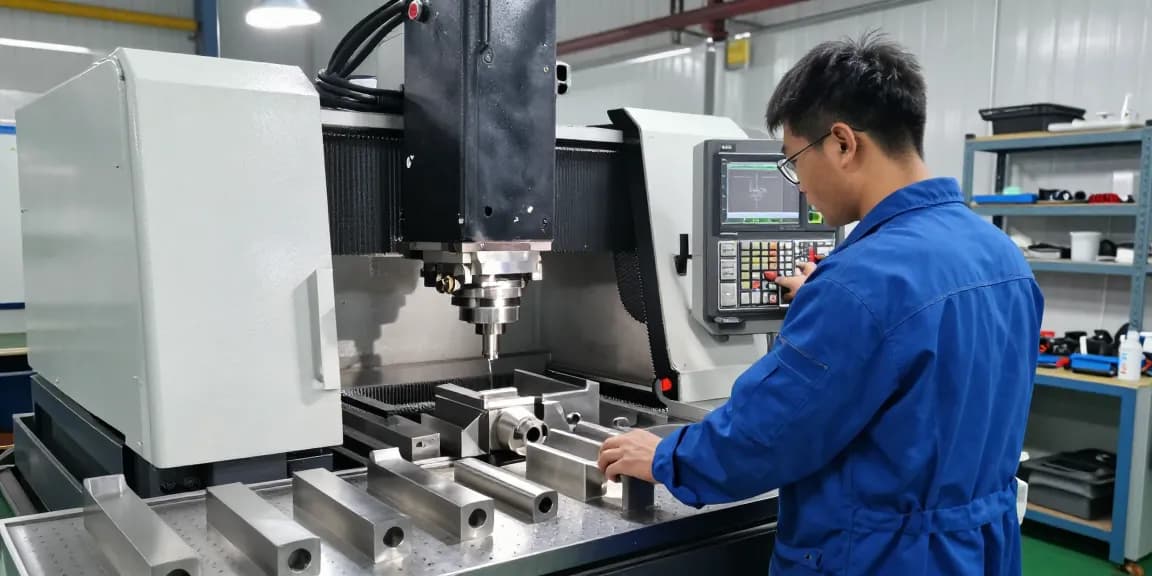
- Industrial Machinery: Heavy-duty machines like laser cutters, water jet cutters, and CNC (Computer Numerical Control) machines, designed for large-scale production.
- Plasma and Oxy-Fuel Cutters: Tools that utilize heat generated from gas combustion or plasma to cut through metals.
Applications of Cutting Equipment
Cutting equipment finds applications across diverse industries. Here are a few examples:
- Manufacturing: Used to shape metals and plastics for machinery and appliances.
- Construction: Crucial for cutting materials such as wood, concrete, and metals in buildings.
- Aerospace and Automotive: Precision cutting is essential for components in aircraft and vehicles.
- Textiles: Cutting equipment is used to create patterns and shapes in fabrics.
Key Features of Cutting Equipment
When selecting cutting equipment, several key features determine its suitability and performance:
Precision and Accuracy
Precision refers to the ability of cutting equipment to produce exact dimensions and tolerances. High-precision tools can significantly reduce waste and improve the overall quality of products. This is particularly important in industries where components must fit together seamlessly, such as aerospace and automotive manufacturing.
Safety Features
Safety is paramount when using cutting equipment. Many modern tools incorporate safety features such as automatic shut-off mechanisms, protective guards, and ergonomic designs to minimize the risk of accidents. It's crucial for operators to be aware of these features and to follow best practices for safe operation.
Material Compatibility
Different cutting tools are designed for specific materials. For example, a laser cutter is ideal for precise cuts in metals and plastics, while a band saw might be better suited for wood. Understanding material compatibility helps in selecting the right equipment for the job, ensuring optimal performance and results.
Choosing the Right Cutting Equipment
Selecting the appropriate cutting equipment involves careful consideration of several factors:
Assessing Your Needs
Begin by assessing your specific cutting requirements. Consider the types of materials you will be working with, the volume of production, and the desired precision. This assessment will guide you in selecting equipment that meets your operational needs effectively.
Budget Considerations
Budget constraints often play a significant role in equipment selection. High-quality cutting equipment can represent a substantial investment. However, taking the time to choose the right equipment can pay off in terms of efficiency and long-term performance. It's essential to balance cost against features and capabilities to ensure the best value.
Top Brands and Models
While specific brand names are not mentioned, when looking for cutting equipment, it’s advisable to research reputable manufacturers known for their durable and high-performance products. Online reviews, industry forums, and expert recommendations can provide insights into the most reliable models suited for your needs.
Maintenance of Cutting Equipment
Routine Maintenance Practices
Regular maintenance practices include cleaning, inspecting, and lubricating equipment. For instance, blades should be kept sharp and free of debris, while machinery should be calibrated according to manufacturer specifications. Scheduling periodic professional inspections can also help identify potential issues before they escalate into serious problems.
Troubleshooting Common Issues
Operators should be trained to recognize common issues such as tool misalignment, excessive vibration, or unusual noise during operation. Understanding the root causes of these problems can facilitate prompt and effective troubleshooting, minimizing disruption in the workflow.
Extending Equipment Lifespan
To extend the lifespan of cutting equipment, consider investing in high-quality accessories and replacement parts. Additionally, maintaining a clean and organized workspace can prevent unnecessary wear and ensure that equipment functions as intended. Training staff on proper handling techniques is also crucial for reducing premature wear.
Future Trends in Cutting Equipment
The landscape of cutting equipment is continuously evolving, influenced by technological advancements and changing industry needs. Here are some future trends to watch:
Technological Innovations
Emerging technologies like artificial intelligence and machine learning are increasingly being utilized in cutting equipment. Smart machines equipped with sensors can analyze cutting efficiencies and recommend optimizations in real-time, leading to enhanced performance and reduced operational costs.
Eco-Friendly Cutting Options
As industries pivot towards sustainability, eco-friendly cutting options are gaining traction. Equipment that utilizes low-impact methods such as water jet cutting minimizes waste and reduces energy consumption, appealing to environmentally conscious consumers and businesses alike.
Market Demand and Opportunities
With the global trend toward automation and efficiency, the demand for advanced cutting equipment is expected to grow. Companies that innovate and adapt to market demands will find opportunities in niche sectors, ensuring they remain competitive in an ever-evolving landscape.
FAQs about Cutting Equipment
What factors should I consider when selecting cutting equipment?
Consider material types, precision needs, operational volume, and budget constraints to choose the right cutting equipment.
How do I maintain cutting equipment?
Routine cleaning, inspecting blades, and lubricating moving parts are essential for maintaining cutting equipment performance and longevity.
Are there eco-friendly cutting options available?
Yes, equipment like water jet cutters offers low-impact cutting methods that align with sustainability goals by minimizing waste and energy consumption.
What are common issues with cutting equipment?
Common issues include tool misalignment, dull blades, and operational vibrations, all of which can be identified and resolved through regular maintenance.
How can technology improve cutting equipment performance?
Technological innovations like AI and machine learning enhance cutting equipment efficiency by optimizing operations and reducing wastage in real-time.