
Understanding Real Estate Investments
Basics of Real Estate Investing
Real estate investing is a multifaceted venture that can range from purchasing a property to live in, to investing in multi-family units or commercial real estate. The ultimate aim is to generate profit through various strategies such as rental income, appreciation, or the flipping method. Each investment choice can yield different sets of returns, risk profiles, and long-term benefits. For instance, residential properties can offer reliable rental income, while commercial real estate may promise higher returns due to longer lease periods. The core of real estate investing involves understanding the market, assessing property value, and evaluating potential income against outgoing expenses. Flipping houses, in particular, can be an appealing avenue due to the rapid potential for profit. Investors purchase properties that require renovation, improve them, and then sell at a higher price, often within months. This practice necessitates keen market insights and a calculated approach to maximize returns on investment (ROI). However, knowing when to enter and exit the market is crucial to avoid potential pitfalls that can occur, such as overspending on renovations or misjudging market trends.
Benefits of House Flipping
One of the most attractive aspects of house flipping is its potential for significant profit within a short time frame. Unlike traditional real estate investing, which often involves waiting for property appreciation over years, flipping allows for a quicker realization of gains. Here are some benefits: - Quick Returns: Flipping can lead to profits in just a few months rather than years. - Control Over Investment: Investors have direct involvement in improving properties, allowing for tangible control over how the investment performs. - Market Flexibility: Investors can pivot quickly based on current market conditions, choosing to sell at peak times. - Skill Development: Participating in flips can build a diverse set of skills, from project management to negotiation. While the benefits are significant, potential investors should tread cautiously, as flipping is not without its risks. Knowledge of local market conditions, property values, and renovation costs is critical to success in this venture.
Common Misconceptions in Real Estate
Navigating the complex world of real estate investing brings with it various misunderstandings. Here are some common misconceptions that can lead to poor investment choices: - Real Estate Always Appreciates: While historically values have increased, real estate markets can fluctuate. Investors must conduct thorough research to avoid buying during a downturn. - Flipping is Easy Money: The reality is that successful flipping involves significant effort in research, renovations, and market analysis. - You Don't Need to Be Financially Savvy: Understanding the numbers – costs, potential profits, and market trends – is crucial for any investor to succeed. Correctly discerning these misconceptions can set a robust foundation for why many choose to engage in strategies such as flipping real estate.
The Power of ROI Calculations
Defining ROI in Real Estate
Return on Investment (ROI) is a critical metric that quantifies the profitability of an investment relative to its cost. Within the realm of real estate, ROI calculations allow investors to gauge whether a property is worth the investment. This calculation is generally expressed as a percentage and can be computed using the formula: \[ ROI = \frac{(Net Profit)}{(Total Investment Cost)} \times 100 \] A positive ROI indicates a profitable investment, while a negative ROI suggests losses. In real estate, understanding and calculating ROI accurately can mean the difference between successful investments and financial failure.
Importance of Accurate Calculations
Accurate ROI calculations are essential for making informed investment decisions. An investor relying on inaccurate figures may overestimate the value of a property or misjudge the potential expenses tied to renovations. Such misconceptions can lead to poor financial outcomes. It’s vital to utilize comprehensive market analysis and data to derive these calculations, ensuring a holistic view of potential earnings and expenses. With tools and platforms available today, like the advanced calculator powered by TraderBrick, users can analyze their real estate projects more effectively, enhancing their understanding of financial outcomes.
How TraderBrick Improves ROI Analysis
TraderBrick stands out as a technology-driven platform that simplifies the complexity of ROI calculations. By utilizing real market data, it provides a robust analytical framework that allows investors to input property details and receive accurate ROI estimates in an instant. Key features include: - Real-time Data Analysis: Access to the latest market trends ensures your calculations are rooted in reality. - User-Friendly Interface: The platform is designed for ease of use, making complex analysis approachable for all levels of investors. - Comprehensive Reporting: Detailed breakdowns of costs and profits allow for more informed decision-making. By integrating advanced analytic tools, TraderBrick supports investors in making strategic choices to enhance profitability and streamline their investment process.
Advanced Features of TraderBrick
Detailed Market Analysis Tools
Understanding market dynamics is key to successful real estate investments. TraderBrick offers advanced market analysis tools that allow users to assess local market trends, property values, and demographic shifts. By knowing the surrounding area's characteristics, investors can make sound decisions based on data-driven insights. - Neighborhood Insights: Understand market trends and forecasts based on the area of interest. - Property Value Trends: Analyze how property values in specific locations are evolving. - Comparative Analysis: Find and compare similar properties to ensure fair pricing. Such insights are invaluable for anyone looking to make educated investment decisions, driving home the importance of thorough research.
User-Friendly Interface and Experience
TraderBrick's commitment to user experience is evident in its interface, which is intuitive and easy to navigate. This focus on usability ensures that both novice and experienced investors can take full advantage of the platform’s features. Functionalities include: - Step-by-Step Guidance: First-time users will appreciate the structured guidance in navigating the tools. - Customizable Dashboards: Investors can personalize their dashboards to focus on the metrics that matter most to them. - Real-Time Support: Access to support teams and community forums where users can ask questions and share experiences enhances the overall user experience. This seamless user experience plays a crucial role in making investor interactions both productive and rewarding.
Graphical Projections for Better Insights
Visual representations of data help investors grasp complex financial information quickly. TraderBrick excels in providing graphical projections that give insights into potential profits, market performance, and investment trajectories. Features include: - Graphs and Charts: Visual data representation makes assessment simpler and more immediate. - Forecast Modeling: Project potential ROI and property appreciation trends based on various factors. - Interactive Data Tools: Users can interact with data, modifying inputs to see how changes affect ROI in real-time. Such graphical tools enable a better understanding of financial health, equipping investors with confidence in their decisions.
Tips for Maximizing Investment Returns
Key Strategies for Successful Flipping
Maximizing returns in house flipping requires strategic planning and execution. Here are key strategies that investors should incorporate into their projects: - Conduct Thorough Market Research: Before committing to a purchase, ensure you understand the local market dynamics. Know what properties are selling for and the qualities that are most sought after by buyers. - Budget Wisely: Always account for unexpected expenses. Whether it’s renovation costs, closing fees, or holding costs, having a comprehensive budget allows you to avoid costing overruns. - Focus on Curb Appeal: The exterior of a house is the first impression buyers will have. Effective landscaping and exterior updates can significantly increase desirability and selling price. Maintaining a strategic focus will aid investors in realizing optimal returns.
Utilizing Personal Insights and Data
The wealth of information available to today’s investors is unprecedented. By leveraging personal insights and local data, you can enhance decision-making in your investments. Here’s how to harness this information effectively: - Engage with Local Communities: Networking with other investors can yield valuable insights into property potential and market shifts. - Leverage Technology: Utilize online platforms and tools to gather data on trends and property performance. - Reflect on Past Experiences: Each investment can offer lessons. Keep detailed records of past projects, decisions made, and the outcomes to build an informed approach. By applying knowledge gained through experiences and data, investors can refine their strategies for future projects.
Seeking Expert Advice When Necessary
Even the most seasoned investors occasionally require specialized assistance. Seeking expert advice can provide an additional layer of confidence, particularly when navigating complex situations. Consider these options for consultancy: - Real Estate Agents: Work with agents who have experience in the target area. They can offer insights into market trends and negotiations. - Financial Advisors: Specialists can help map out financing options, tax implications, and investment returns. - Contractors or Inspectors: Engaging with reliable contractors or inspectors helps in identifying potential issues with properties you’re considering. Enlisting experts can assist in furthering your knowledge and enhance your investment strategy.
Getting Started with TraderBrick
Setting Up Your Project for Analysis
To successfully utilize TraderBrick for analyzing your real estate projects, the first step is to set up your project on the platform. Start by gathering all necessary information, including property details, financial data, and renovation plans. This information serves as the foundation for personalized analysis and insights. - Input Property Details: Begin by entering specific data about the property being analyzed, such as purchase price, estimated renovation costs, and projected sale price. - Utilize Pre-Analysis Tools: Before formal input, use the property evaluation tools to gauge the potential worth. Laying a solid groundwork will enhance the quality of the ensuing analysis.
Navigating the ROI Calculator
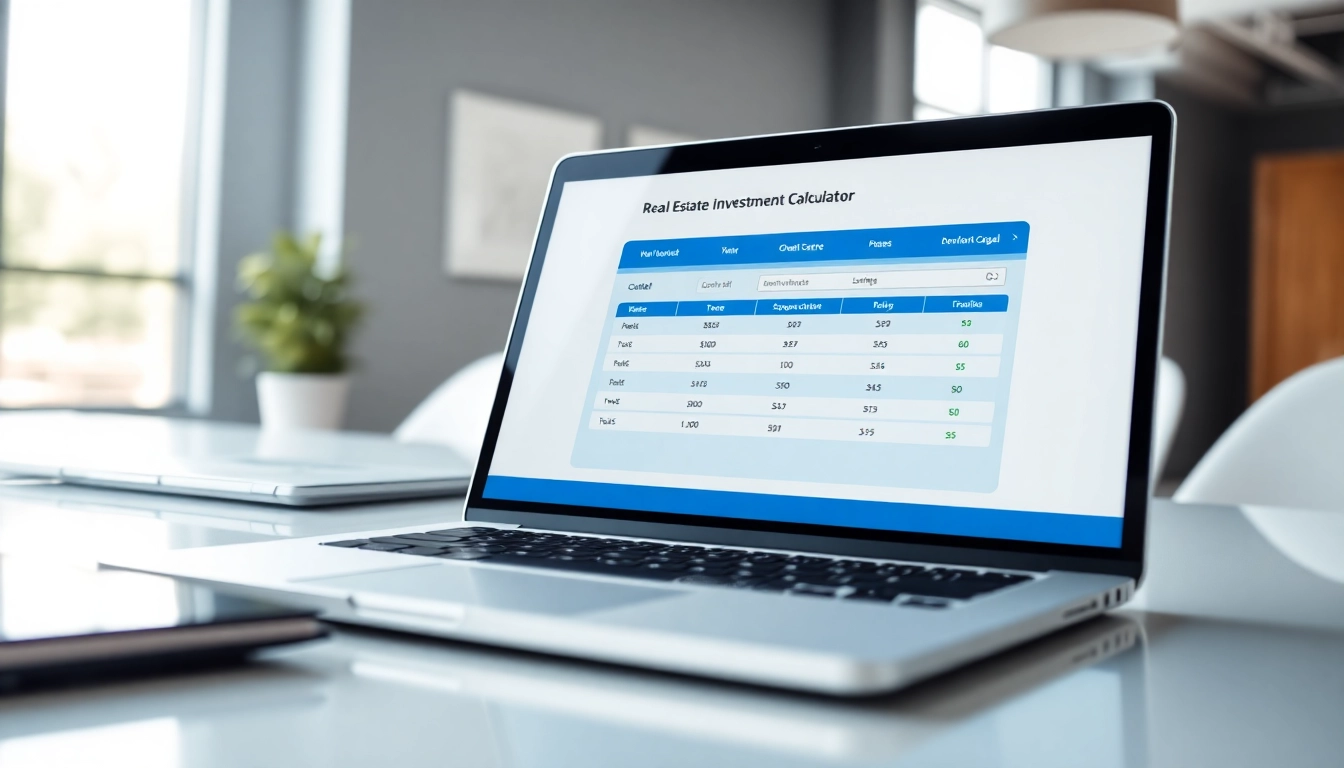
TraderBrick’s ROI calculator is a powerful tool that streamlines the investment analysis process. Here are simplified steps to navigate this feature efficiently: - Access the Calculator: Log into your TraderBrick account and navigate to the ROI calculator tool. - Input Financial Variables: Enter all necessary expenses and income projections for your project. - Review Results: After inputting data, the platform will present ROI estimates and accompanying analyses, allowing for immediate insight. The clarity provided by the ROI calculator can make all the difference in your investment strategy.
Join the TraderBrick Community for Support
Being part of a community can enrich the investment experience. TraderBrick provides access to a vibrant community of like-minded investors. This community offers opportunities for collaboration, information exchange, and support. - Forums and Discussions: Participate in discussions to learn from others’ experiences and share your insights. - Training and Webinars: Engage in training sessions offered by TraderBrick to enhance your skills and knowledge base. - Continuous Support: TraderBrick’s customer service can address any questions or challenges you may face during your investment journey. Joining the TraderBrick community empowers you with shared learning experiences, advice, and reinforcing your commitment to successful investing.