
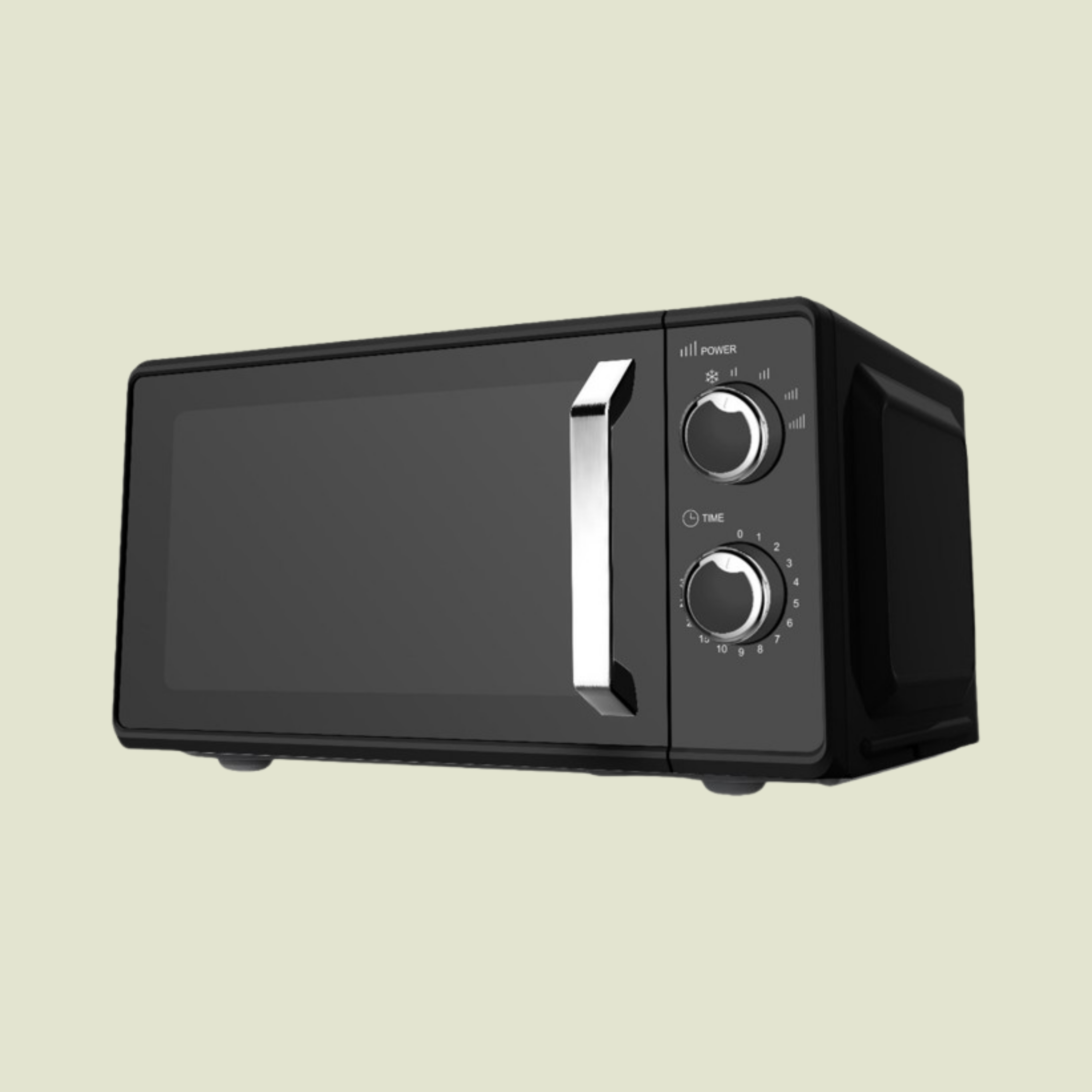
Ensuring safety in your kitchen is critical—especially when using a Microwave oven, a powerful appliance that many families rely on daily. At Magic Chef, we believe that safe cooking isn’t just about convenience—it’s about protecting your loved ones. Here are the top safety tips for families using a microwave oven, so you can enjoy its benefits without risk.
Understand Common Risks with Your Microwave Oven
Heat and Steam Hazards
One of the biggest risks from a microwave oven is steam buildup. When food or liquids heat up, they can release hot steam suddenly, leading to burns. Always use microwave-safe lids or covers and be careful when removing containers from your microwave oven.
Superheating Liquids
Pouring water into a microwave oven and heating it for too long can cause superheating—where the liquid exceeds its boiling point without bubbling. As soon as you disturb it, it may erupt violently. To avoid this, place a wooden stick or a microwave-safe stirrer in your container.
Sparks and Fires
Metal utensils or foil aren’t safe in a microwave oven, because they can cause sparks or even fires. If there is any sign of arcing or sudden smoke inside the microwave oven, stop it immediately and unplug the unit.
Choose a Safe Microwave Oven Model
Look for Child Lock Features
When shopping for a microwave oven, consider models with a built-in child lock. This feature disables operation or accidentally pressing buttons, keeping curious hands from starting the microwave oven.
Prefer Overheat Protection
Quality microwave oven models come with overheat sensors that automatically shut off when temperatures rise too high. This helps prevent damage and reduces the risk of fire or malfunction.
Check for Proper Ventilation
A well-designed microwave oven will have adequate ventilation to allow heat to escape. Proper airflow protects the internal parts from overheating and helps extend the microwave oven’s life.
Safe Usage Tips During Operation
Use Microwave-Safe Containers Only
Always use containers labeled microwave-safe in your microwave oven. Avoid metal, and steer clear of plastics not intended for microwave use, because they can leach chemicals or warp.
Cover Food Appropriately
When heating food in a microwave oven, loosely cover it with a microwave-safe lid or plastic wrap to trap steam. This helps heat the food evenly and prevents splattering.
Stir and Rotate
For best safety and performance, stir and rotate food halfway through heating in your microwave oven. Many ovens have turntables that help, but manual stirring ensures even heating and reduces hotspots that can cause burns.
Placement and Installation Safety
Stable and Level Surface
Place your microwave oven on a stable, level countertop that can support its weight. An unsteady surface increases the risk of tipping, spills, or damage to the unit.
Keep Clearance Around the Unit
Your microwave oven needs space around its vents, usually at the back and sides, to dissipate heat. Ensure at least a few inches of clearance on all sides to maintain proper airflow and prevent overheating.
Avoid Hazardous Locations
Do not place a microwave oven near water sources, such as near the sink, or too close to the edge of your counter. This reduces the risk of electric shock or accidental spills.
Maintenance and Inspection for Safety
Clean Regularly
A dirty microwave oven can harbor food residue that overheats and causes smells, smoke, or even fire. Wipe down the interior weekly and clean its turntable to prevent buildup.
Inspect the Door Seal
The door seal or gasket on a microwave oven ensures that microwaves don’t leak. Periodically check for cracks, warping, or damage and replace parts if necessary to keep your microwave oven safe and efficient.
Test the Child Lock and Controls
If your microwave oven has a child lock or safety features, test them regularly to ensure they’re working. Confirm that buttons and functions respond as expected and that the safety interlocks engage properly.
Educate Every Family Member
Teach Proper Handling
Make sure everyone in your household knows how to operate the microwave oven safely. Show them how to place food, stir, and remove items without getting burned by steam.
Explain the Dangers
Explain to kids why you don’t use metal, why containers must be microwave-safe, and why you open lids away from yourself. Awareness reduces accidents.
Supervise Young Users
If teenagers or children use the microwave oven, supervise their early use. Encourage them to follow the safety habits you've taught and to ask if they’re unsure.
What to Do in an Emergency
Stop and Unplug
If you notice smoke, arcing, or a burning smell from your microwave oven, stop it immediately and unplug the appliance. Do not use it until you identify and resolve the issue.
Use a Fire Extinguisher
If a fire starts inside the microwave oven, keep a fire extinguisher rated for electrical fires nearby. Use it as soon as it’s safe, and call for help if the fire doesn’t stop.
Report Malfunctions
If the microwave oven door isn’t closing properly, or you detect unusual sparks or sounds, stop using the appliance. Report the problem to the manufacturer or a certified technician to get it inspected or repaired.
Conclusion
Using a microwave oven safely at home doesn’t require extraordinary effort, just the right habits and a thoughtful choice of model. From selecting a microwave oven with child lock and overheat protection, to using microwave-safe containers and maintaining the appliance properly, every step helps protect your family and ensure a long life for your unit. By following these top safety tips, your microwave oven becomes a reliable, convenient, and safe tool in your daily life.