Understanding Gramaphone Records: A Historical Perspective
The Origins of Gramaphone Records
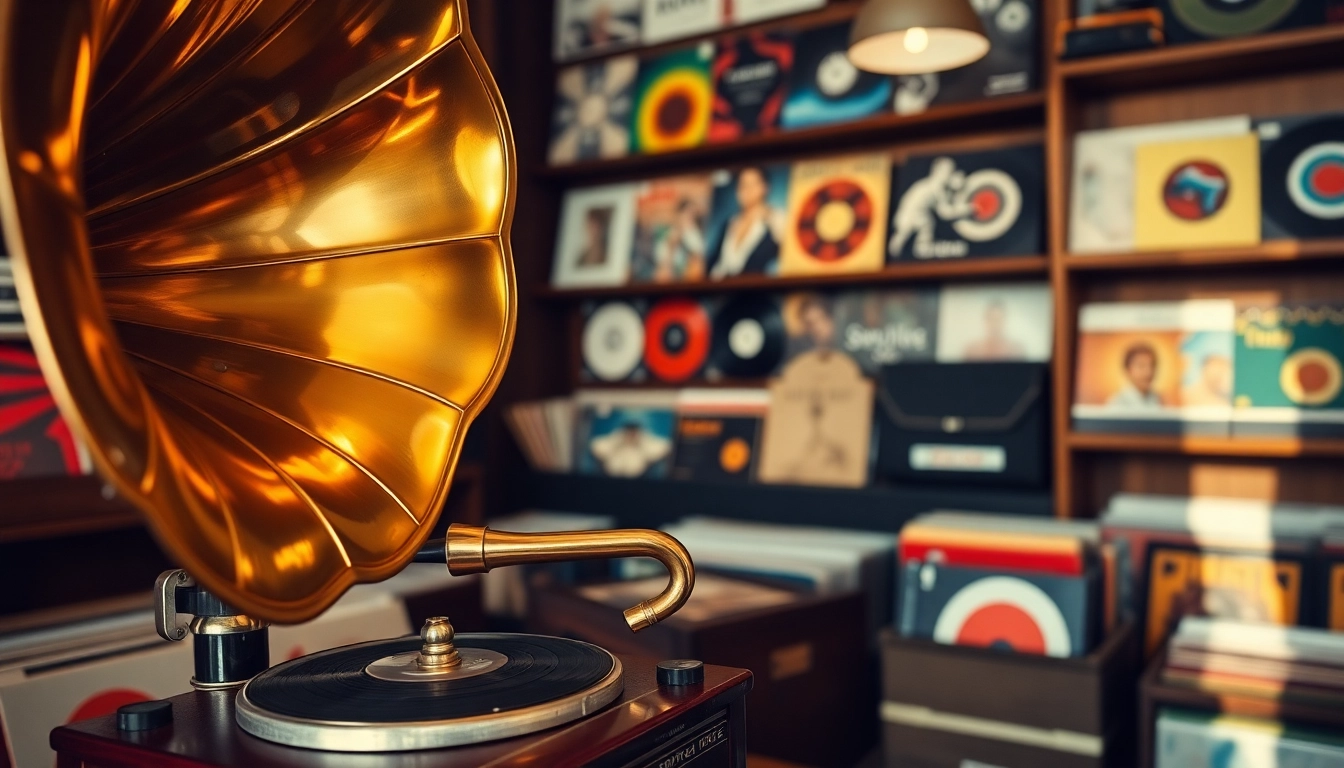
The term "gramaphone records" is steeped in history, tracing back to the late 19th century when Emile Berliner invented the gramophone. Unlike earlier sound recording methods, the gramophone used flat discs instead of cylinders, marking a significant advancement in sound reproduction technology. Initially made from shellac, these records became the primary medium of audio playback for decades.
As vinyl records emerged in the mid-20th century, the term "gramaphone" began to represent both the recorder and its output—a blending of technology and culture that revolutionized music accessibility. To this day, gramaphone records symbolize more than just a sound medium; they represent a rich musical heritage that transcends generations.
Evolution of Sound Storage Technology
The evolution of sound storage is a testament to human ingenuity. The early gramophone records, primarily made of shellac, were fragile and required careful handling. However, as technology advanced, production shifted to vinyl—an inherently more durable material that allowed for longer playtimes and improved sound quality. Today, vinyl has made a remarkable comeback, revitalizing interest in gramaphone records and appealing to both nostalgic collectors and new generations of listeners alike.
The transition from gramophone to digital formats also highlights a fascinating juxtaposition: while digital music allows for instant access to vast libraries, the tactile and auditory experience of playing a gramaphone record offers a unique connection to music that digital formats may lack.
Cultural Impact of Gramaphone Records
Gramaphone records have had a profound impact on music culture. They served as a catalyst for musical genres, catering to a variety of audiences and enabling the spread of cultural movements. In the 1920s and 1930s, jazz music surged in popularity, with gramophone records serving as vital conduits for artists like Louis Armstrong and Duke Ellington. These recordings captured artistic expressions, preserving cultural artifacts that continue to resonate today.
Moreover, the rise of rock and roll in the 1950s showcased the record industry’s ability to shape societal trends. Gramaphone records fostered a sense of community among music fans, with jukeboxes in diners and record players in living rooms uniting people through shared experiences. The cultural significance of gramaphone records continues to echo in contemporary music scenes, proving that their legacy extends far beyond mere audio playback.
Types of Gramaphone Records
Shellac vs. Vinyl: Key Differences
The debate over shellac and vinyl is one of the most discussed topics among collectors and audiophiles. Shellac records, popular from the 1890s to the 1950s, provided sound quality that was remarkable for its time. However, their brittle nature made them highly susceptible to breakage and wear.
Vinyl records emerged as a robust alternative in the mid-20th century, featuring improved sound fidelity and a more flexible composition. The popularity of vinyl exploded in the 1970s and 1980s, with audiophiles giving high regard to its sound quality. Today, while both types have their distinct fans, vinyl records are predominating the market due to their rich tonality and nostalgia factor.
Popular Formats: 78s, 33s, and Beyond
Gramaphone records come in various formats, with 78 RPM (revolutions per minute) records dominating the early years of recorded music. 78s are typically made of shellac and feature a limited play duration, making them a venerable yet cherished format for collectors.
Subsequently, the 33 1/3 RPM records emerged as the standard format for long-playing phonographs, allowing full albums to be recorded on a single disc. The 45 RPM records also gained iconic status, particularly for singles, influencing radio airplay and music consumption patterns.
Today, collectors may encounter an array of specialized formats, including colored vinyl, picture discs, and limited-edition releases that cater to diverse tastes and preferences.
Collectible Gramaphone Records and Their Value
The collectible market for gramaphone records has exploded in recent years, with rare items fetching high prices at auctions. Factors determining a record's value include its rarity, condition, label, and historical significance. First pressings, limited editions, and records associated with well-known artists often command premium prices.
Collectors should be mindful of evaluating a record's condition, as scratches, warps, and wear can significantly detract from its value. Moreover, the provenance of a record—its history of ownership—can also enhance its stature among collectors.
In addition to traditional genres like jazz and rock, niche categories such as reggae and psychedelia continue to generate interest among passionate collectors eager to showcase their unique finds.
Collecting Gramaphone Records: A Beginner's Guide
How to Start Your Collection
Starting a collection of gramaphone records can be an exhilarating journey, filled with discovery and nostalgia. Beginners should first identify their specific interests, such as particular genres, artists, or historical periods. This focus can guide purchasing decisions and enable collectors to build a meaningful collection.
Local record shops, estate sales, and online marketplaces are excellent starting points to source records. Building relationships with local shops can also yield insights about new arrivals and sales on collectible items. Additionally, attending record fairs and joining collector communities can broaden one’s horizons and enhance the collecting experience.
Finding Authentic Gramaphone Records
Authenticity is critical for collectors, as replicas and counterfeit records may flood the market. To ensure authenticity, collectors should seek records with proper labels, and catalog numbers and assess their condition. Trusted online platforms and reputable dealers can offer genuine items, but it's prudent to research before committing to any purchase.
Considerations such as the record's history, documentation, and expert evaluations can also help verify authenticity. Furthermore, joining collector's associations can provide access to resources and expert opinions that can assist in identifying genuine records.
Storage and Maintenance Tips for Collectors
Proper storage and maintenance of gramaphone records are essential to preserve their quality and longevity. Store records vertically, in a cool, dry environment, away from direct sunlight to minimize warping and fading. High-quality inner sleeves can prevent scratches, while outer sleeves offer a protective barrier against dust and damage.
Regular cleaning, done with specialized record cleaning solutions and soft brushes, can remove dirt and debris that may accumulate over time. Proper care can enhance playback quality and extend the lifespan of records, ensuring they can be enjoyed for many years to come.
Listening to Gramaphone Records: Best Practices
Setting Up Your Gramophone for Best Sound
Achieving the best sound quality from gramaphone records begins with setting up the playback system correctly. Start by placing the gramophone on a stable, level surface to reduce vibrations that could compromise sound quality. Additionally, ensure that the gramophone’s stylus and cartridge are compatible with the records being played to optimize sound reproduction.
Consider the quality of the speakers used as well. High-fidelity speakers can enhance the overall listening experience, bringing out the nuances in the music. Users should experiment with speaker placement to find the optimal position for sound dispersal.
The Importance of Quality Speakers and Needles
The choice of speakers and needles significantly influences the listening experience. Investing in quality speakers that match the gramophone's specifications can elevate sound fidelity, clarity, and depth. Meanwhile, the needle plays a crucial role in sound reproduction. A worn or incorrectly-sized needle can lead to diminished sound quality and even damage to the records.
Regularly checking and replacing the needle ensures optimal performance, allowing collectors to fully appreciate the rich sounds embedded within their gramaphone records.
Creating a Listening Environment
Creating an ideal listening environment can transform an ordinary experience into an immersive one. The setup should account for room acoustics—furnishing the space with carpets, curtains, and cushions can help reduce echoes and improve sound quality. Soft furnishings absorb sound waves, leading to more balanced acoustics.
Furthermore, the environment should be free from distractions to allow focused listening. Lighting also plays a role; creating a cozy and inviting atmosphere can enhance the enjoyment of listening sessions. Ultimately, personalizing the space to reflect one’s musical taste can make every listening experience unique.
The Future of Gramaphone Records in the Digital Age
Revival of Vinyl Culture
In a world dominated by digital media, gramaphone records and the vinyl culture have witnessed a remarkable resurgence in popularity. Collectors, audiophiles, and even casual listeners are turning back to the tactile experience of vinyl. This revival is fueled by a desire for authenticity, nostalgia, and the physical connection to music that digital formats simply cannot replicate.
The vinyl resurgence has also spurred a new generation of artists to release their work on vinyl, tapping into the growing demand. Record labels are investing in limited edition releases, colored vinyl, and unique packaging that appeals to collectors and music lovers alike.
Digital Conversions: Pros and Cons
The advent of technological advancements has enabled collectors to convert their gramaphone records into digital formats. This process allows for easier playback across multiple devices while retaining the essence of the original recordings. However, digital conversions present challenges, including potential loss of audio quality and the risk of rendering the experience less meaningful.
While digital formats offer convenience, they lack the tangible experience and warm sound associated with gramaphone records. Striking a balance between enjoying digital music and preserving original records is crucial for collectors who value both modern convenience and vintage authenticity.
How to Stay Engaged with the Gramaphone Community
Staying engaged with the gramaphone community enriches the collecting experience, allowing enthusiasts to share knowledge, insights, and discoveries. Online forums, social media groups, and local vinyl enthusiast clubs provide platforms for interaction, collaboration, and education.
Moreover, attending events like record fairs, listening parties, and workshops can deepen relationships with other collectors, and expand one’s knowledge of gramaphone records. Moreover, hosting listening events can foster a sense of community, bringing individuals together over shared passions for music and artistry.