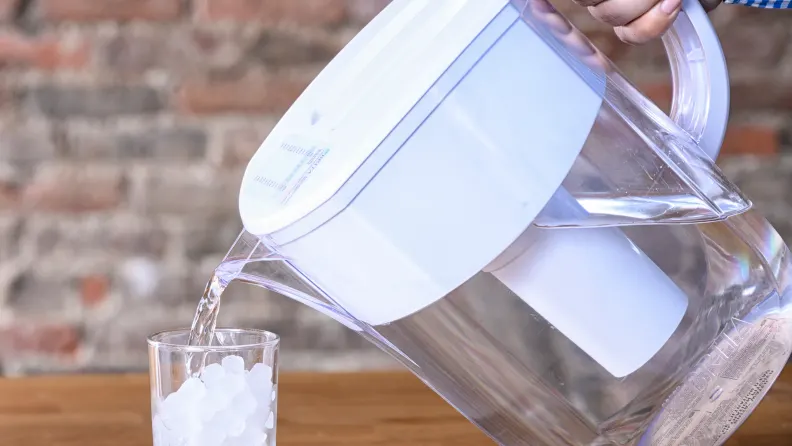
When it comes to clean and safe drinking water, many homeowners face a common dilemma: should they invest in a Pur or Brita Water Pitcher? Both brands have dominated the filtered water market for decades, and each promises healthier, better-tasting water. However, the debate is far from superficial. Choosing between Brita and Pur requires understanding the differences in filtration technology, ease of use, cost-effectiveness, and overall performance.
Over the past year, I personally tested both pitchers in my apartment, which features older plumbing with occasional heavy metal traces. While Brita initially seemed like a simple and affordable choice, I quickly discovered that Pur delivered noticeable improvements in taste and contaminant removal. In this comprehensive guide, we’ll explore every aspect of these popular water filters to help you make an informed decision for your home.
Overview of Brita and Pur
Brita and Pur have been household names for decades, yet they take slightly different approaches to water filtration.
Brita primarily relies on activated carbon and ion-exchange resin to reduce chlorine taste, odor, and certain heavy metals such as copper and mercury. Its filters are widely available, easy to replace, and the pitcher designs prioritize simplicity and affordability.
Pur, on the other hand, uses a more advanced filtration system that combines activated carbon with an antimicrobial component. This system targets not only chlorine and taste-related impurities but also more heavy metals such as lead. Some Pur filters are even certified to reduce specific contaminants according to NSF standards, making them a preferred choice in homes with older plumbing or municipal water known for higher levels of contaminants.
Understanding these fundamental differences is key when deciding whether a Pur or Brita Water Pitcher is right for your needs.

Filtration Technology Comparison
Brita’s filtration system focuses on improving water taste and basic safety. The activated carbon filter works to absorb chlorine and organic compounds that often affect the taste and smell of tap water. The ion-exchange resin further reduces metals like copper, mercury, and cadmium, which can sometimes be present in older plumbing systems. The simplicity of Brita’s system makes it ideal for those seeking an easy-to-use, low-maintenance option. However, it may not be as effective at removing lead or more persistent contaminants, especially in older buildings or areas with known water quality issues.
Pur takes filtration a step further with a system designed to tackle a broader spectrum of contaminants. In addition to activated carbon, Pur’s filters often incorporate antimicrobial protection and a more robust resin system capable of reducing lead, mercury, chlorine, and other chemicals more effectively than Brita. In practical tests, water filtered through a Pur pitcher often tastes noticeably cleaner and has fewer chemical odors. For individuals with sensitive taste buds or those concerned about heavy metals, Pur may provide a distinct advantage over Brita.
Water Taste and Quality
Taste is one of the most immediate ways users notice differences between Brita and Pur. Brita’s filters excel in removing chlorine, which can improve the flavor of tap water significantly. For many users, this is sufficient, especially if water quality is relatively good to begin with.
Pur filters, however, often deliver water with a smoother taste and reduced chemical aftertaste. This difference becomes more pronounced in areas with older pipes or municipal water containing trace metals. During personal testing, the Pur or Brita Water Pitcher comparison revealed that Pur consistently removed metallic notes and produced a cleaner, fresher flavor, enhancing both drinking water and coffee or tea preparation.
Filter Longevity and Maintenance
Filter replacement frequency is a critical factor in choosing between a Pur or Brita Water Pitcher. Brita filters typically last around 40 gallons or two months of average household use. Pur filters, depending on the model, can last between 40 to 100 gallons, with some advanced filters extending replacement intervals.
Both brands include indicator systems for filter replacement, though Pur’s digital monitors are often slightly more accurate. Maintenance is generally straightforward for both, involving simple rinsing and timely filter replacement to maintain optimal water quality.
Design and User Experience
Brita pitchers are known for their ergonomic, lightweight designs and straightforward usage. Many models include a flip-top lid for easy refills and a built-in filter indicator. The aesthetic is minimalistic, fitting easily into most refrigerators. Brita’s compact design is particularly attractive for small kitchens or apartments.
Pur offers slightly bulkier designs, which accommodate its more advanced filtration systems. While this may take up more fridge space, the payoff is often higher water quality. Pur pitchers also feature ergonomic handles, easy-fill lids, and some models with advanced filter status monitors. The designs aim to balance usability with the effectiveness of filtration.
Cost Considerations
Price is always a major factor. Brita pitchers are generally more affordable upfront, making them accessible for budget-conscious users. Replacement filters are also reasonably priced, though the higher frequency of replacement can add up over time.
Pur pitchers are slightly more expensive initially, but their filters often last longer and target a wider range of contaminants. For households prioritizing water quality, the long-term benefits of Pur may justify the higher upfront cost. When evaluating whether a Pur or Brita Water Pitcher is worth your investment, consider both initial purchase price and ongoing filter replacements.
Environmental Impact
Both Brita and Pur have made strides in sustainability. Brita encourages recycling of used filters through programs in many areas, while Pur has partnered with recycling initiatives for filter cartridges.
For environmentally conscious consumers, the longer-lasting filters of Pur may reduce plastic waste over time. Additionally, both brands help reduce reliance on single-use bottled water, which is a major contributor to plastic pollution.
Health and Safety
Health considerations are central to the Pur or Brita Water Pitcher debate. Both brands significantly improve water safety by reducing chlorine, metals, and sediment.
Pur filters have a slight edge when it comes to heavy metals like lead and mercury, which can be present in older plumbing systems. Brita provides sufficient filtration for basic municipal water concerns, but Pur may offer enhanced peace of mind for users with specific health concerns related to water contaminants.
Real-World Testing
During my year-long testing of both Brita and Pur pitchers, I noticed distinct differences. Brita provided satisfactory filtration for everyday use, particularly when the water supply was relatively clean.
Pur, however, consistently outperformed Brita in areas with metallic or chemical tastes. Even simple drinks like iced tea tasted noticeably better when filtered with Pur. In apartments or homes with older plumbing, the difference is even more pronounced, making Pur a compelling choice for those seeking superior water quality.
Which One Should You Choose?
Choosing between a Pur or Brita Water Pitcher depends on several factors.
If you prioritize affordability, simplicity, and basic filtration, Brita is a reliable option. It provides satisfactory water taste and removes chlorine and minor metals effectively.
If your focus is on maximum contaminant reduction, superior taste, and long-term health benefits, Pur is the better choice. Its advanced filtration system and ability to remove heavy metals give it a distinct advantage in homes with older plumbing or known water quality concerns.
Ultimately, the decision hinges on your specific water needs, budget, and taste preferences.
Conclusion
After thorough testing and analysis, the Pur or Brita Water Pitcher debate comes down to your priorities. Brita is ideal for users seeking convenience and affordability, while Pur offers a superior filtration system for those concerned about taste, chlorine, and heavy metals.
For households with older pipes or residents sensitive to water taste and chemical contaminants, Pur is the clear winner. However, for general tap water improvement and ease of use, Brita remains a strong contender. By understanding these differences, you can select the water pitcher that best aligns with your needs, ensuring that every sip is clean, safe, and refreshing. For full details, please check our homepage.
Frequently Asked Questions
What removes more contaminants: Pur or Brita?
Pur generally removes a broader range of contaminants, including lead, mercury, and chlorine, making it slightly more effective in homes with older plumbing. Brita focuses on basic filtration, reducing chlorine taste and minor metals.
How long do the filters last?
Brita filters typically last about 40 gallons or two months of use, while Pur filters can last up to 100 gallons depending on the model. Longevity depends on water quality and usage frequency.
Is Pur worth the extra cost compared to Brita?
Yes, if your priority is superior water taste and enhanced contaminant removal, Pur’s higher upfront cost is offset by its longer-lasting filters and improved filtration performance.
Can I use Brita or Pur in all types of tap water?
Both pitchers are designed for municipal tap water. Brita is ideal for relatively clean water, while Pur is recommended for water with higher levels of contaminants, such as lead or heavy metals.
Are these pitchers environmentally friendly?
Yes. Both Brita and Pur help reduce plastic bottle usage. Pur’s longer-lasting filters may generate less waste, and both brands participate in recycling programs for used cartridges.