Understanding the Essentials of a Trade Show Booth
Trade shows are a vibrant and strategic way for businesses to showcase their products and services to potential clients, partners, and industry leaders. A well-designed trade show booth plays a crucial role in making an impactful first impression, engaging visitors, and ultimately driving sales. This article delves into the design, planning, and execution of a successful trade show booth, equipping you with the essential knowledge to stand out in a competitive marketplace.
The Purpose of a Trade Show Booth
A trade show booth serves multiple purposes that align with a company's marketing and sales strategies. Firstly, it serves as a physical representation of your brand and products. An engaging booth can entice potential customers and partners to stop and learn more, establishing initial connections that could lead to sales opportunities. Additionally, a trade show booth allows for networking with industry colleagues, fostering relationships that can result in future collaborations.
Key Elements of Trade Show Booth Design
To create a compelling trade show booth, several key design elements must be considered:
- Layout: The structure of your booth should facilitate easy navigation and flow, allowing visitors to move around without feeling congested.
- Branding: Clear and visually appealing branding is vital. Utilization of logos, color schemes, and brand messaging should be consistent throughout the booth.
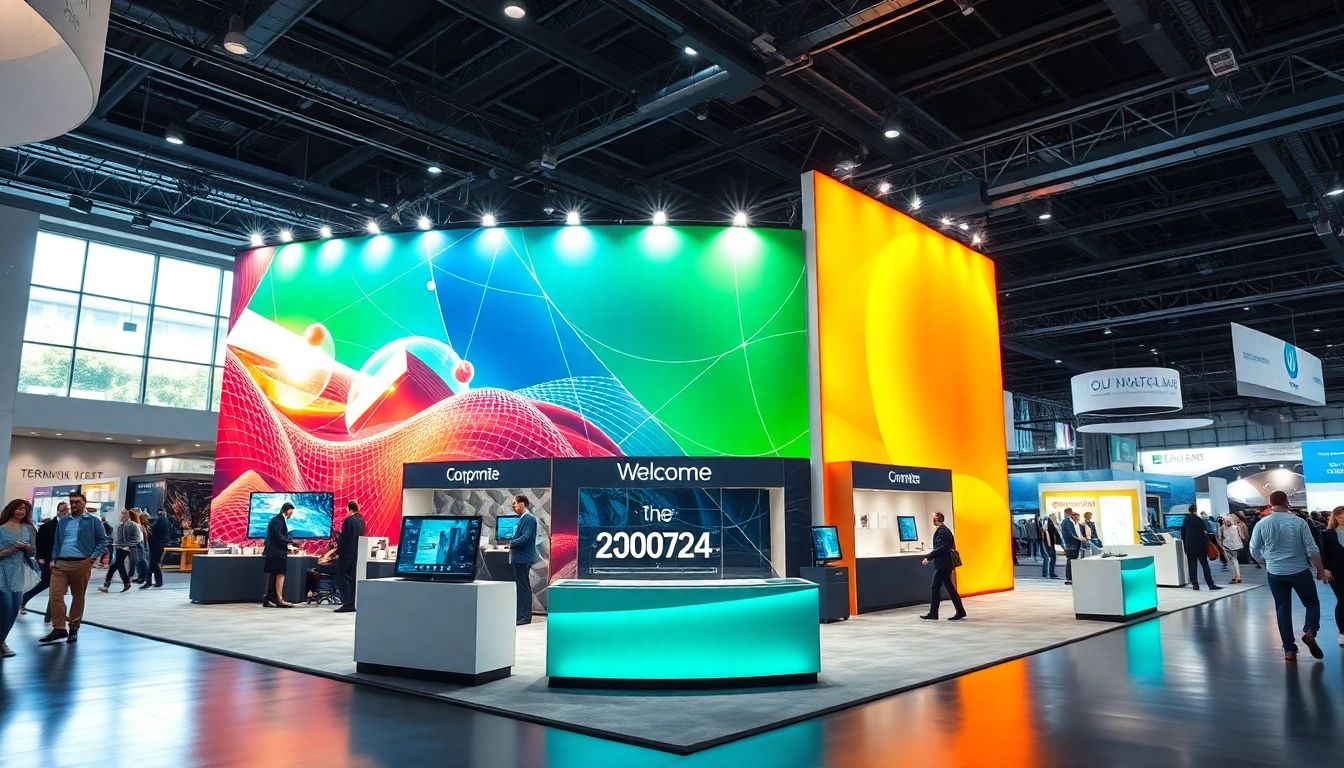
- Visual Appeal: High-quality graphics, signage, and creative displays draw attention and invite interaction. It’s crucial to utilize design elements that resonate with your target audience.
- Technology Integration: Incorporating technologies such as kiosks, touch screens, or augmented reality experiences can enhance engagement and provide valuable information effectively.
Identifying Your Target Audience
Understanding your target audience is critical in shaping the design and functionality of your trade show booth. Tailor every aspect—be it the messaging, visuals, or interactions—to appeal to specific groups of visitors likely to benefit from your product or service. Conduct market research and analyze demographic data to ensure your booth resonates with the participants who matter most.
Planning Your Trade Show Booth Layout
A well-thought-out booth layout is integral to success, as it can influence visitor flow and engagement levels. This section discusses space optimization strategies, creating effective flow, and integrating technology seamlessly.
Space Optimization Strategies for a Trade Show Booth
Maximizing the limited space available in a trade show booth requires strategic planning. Here are key considerations:
- Efficient Use of Space: Consider vertical space by using tall displays and shelves to draw the eye upward. Multi-tiered displays can maximize visibility without necessitating a larger footprint.
- Flexible Furniture: Utilize modular furniture that can be rearranged based on visitor flow and needs. This flexibility allows adaptability to the size and shape of the booth area.
- Defined Zones: Create designated areas within the booth for different purposes, such as product demonstrations, consultations, and networking, to keep traffic organized and efficient.
Creating Flow and Accessibility
Visitors should navigate your booth easily. Creating a logical flow contributes to comfort and encourages exploration. Consider these tips:
- Open Design: Avoid cluttered layouts. An open booth design encourages foot traffic and invites potential customers to enter and explore.
- Clear Signage: Use signs to guide visitors to different areas. Make sure branding and messaging are legible from a distance.
- Accessibility Features: Ensure the booth complies with accessibility standards, accommodating visitors with disabilities by providing ample space and clear pathways.
Integrating Technology into Your Trade Show Booth
Technology can greatly enhance attendee experience and interaction at your trade show booth. Consider the following integrations:
- Interactive Displays: Touchscreen displays or interactive presentations create an engaging environment where visitors can learn about your offerings at their own pace.
- Virtual Reality Experiences: Allow potential clients to immerse themselves in your products or services through VR demos, which can create lasting impressions.
- Lead Retrieval Tools: Incorporate QR codes or mobile apps that streamline the collection of visitor information, making follow-up easier and more organized after the event.
Designing Eye-Catching Visuals for Trade Show Booths
The aesthetics of your trade show booth can significantly influence perceptions and engagement rates. In this section, we will explore how to select appealing color schemes, utilize graphics effectively, and incorporate branding seamlessly into the design.
Selecting Color Schemes that Attract Attention
Color can evoke emotions and attract attention. Selecting the right color scheme is a strategic decision that can make your booth stand out:
- Brand Colors: Align your booth color scheme with your brand identity to ensure consistency and recognition. This can also aid in immediate association with your brand.
- Contrast: Use contrasting colors to highlight key messages and visuals. High contrast makes text and graphics readable even from a distance, which is crucial in crowded settings.
- Psychological Impact: Different colors have unique psychological associations. For example, blue can inspire trust, while red can evoke excitement. Use colors strategically to align with your messaging.
Utilizing Graphics and Signage Effectively
Effective graphics and signage are vital for conveying information quickly. Here are tips for optimizing their use:
- Clear and Concise Messaging: Use short, impactful phrases or slogans that summarize your offerings. Long text can overwhelm visitors, so minimize word count while maximizing impact.
- High-Quality Images: Invest in professional graphics that showcase your products appealingly. Visuals should be high resolution and tailored to the display size.
- Placement for Impact: Position important graphics at eye level. This ensures they catch attention as visitors approach the booth.
Incorporating Branding into Trade Show Booth Design
Brand consistency is key to any marketing effort, and trade shows are no exception. Here’s how to include branding effectively:
- Logo Visibility: Place your logo prominently on all booth elements, such as banners, tables, and promotional materials, to ensure brand recall.
- Brand Storytelling: Use visual and textual elements to tell your brand story. Consider integrating short narratives or customer testimonials within your displays.
- Promotional Products: Utilize branded giveaways that resonate with your target audience, ensuring long-lasting impressions long after the event concludes.
Engaging Visitors at Your Trade Show Booth
Once you have attracted visitors to your trade show booth, the next step is to engage them effectively. This section reviews interactive elements, staff training, and the strategic use of promotions to enhance visitor experiences.
Interactive Elements to Draw Crowds
Implementing interactive elements can significantly enhance visitor engagement. Here are methods to incorporate interaction:
- Live Demonstrations: Showcase your products through live demonstrations. This not only attracts attention but allows potential customers to see the product’s benefits in real-time.
- Gamification: Incorporate games or challenges within your booth that offer prizes. This not only entertains visitors but can also serve as a means of collecting contact information.
- Photo Opportunities: Set up unique photo stations that encourage visitors to take photos with your brand. This can lead to social media sharing, increasing your brand's visibility.
Staff Training for Maximal Engagement
Your booth staff are the frontline ambassadors for your brand. To maximize engagement, consider the following training practices:
- Product Knowledge: Ensure staff are well-versed in your offerings, enabling them to answer questions accurately and confidently.
- Communication Skills: Train staff in effective communication techniques, emphasizing active listening and adjusting their approach based on visitor responses.
- Engagement Techniques: Equip team members with strategies to approach visitors proactively while also respecting personal space and boundaries.
Promotions and Giveaways to Enhance Visitor Experience
Promotions and giveaways can lure visitors to your booth while leaving a lasting impression. Here’s how to execute them effectively:
- Strategic Giveaways: Offer promotional products that are practical and relevant to your target audience, ensuring they keep your brand in their hands after the event.
- Contests: Organize contests where participants enter by providing their contact information. This not only engages visitors but generates valuable leads.
- Exclusive Discounts: Provide special trade show discounts or offers for booth visitors, incentivizing immediate purchases and future connections.
Measuring Success After the Trade Show
Evaluating the impact of your trade show efforts is essential for future improvement. In this section, we will cover key performance indicators, gathering feedback, and implementing learnings for subsequent shows.
Key Performance Indicators for Trade Show Booths
Identifying key performance indicators (KPIs) allows for effective measurement of your booth's success. Some crucial KPIs include:
- Lead Generation: Monitor the number of qualified leads collected during the event. This can be tracked through business card collections, lead retrieval systems, or sign-up forms.
- Visitor Engagement: Measure engagement through metrics such as time spent in the booth, product demonstrations viewed, interactions initiated by staff, and social media mentions.
- Sales Metrics: Evaluate any sales made during the event and track conversions from leads generated at the booth afterward, assessing the return on investment (ROI) potential.
Gathering and Analyzing Visitor Feedback
Post-trade show, gathering attendee feedback is vital for understanding perceptions and executing improvements. Consider these strategies:
- Surveys: Conduct on-site or post-event surveys to gauge visitor opinions. Utilize both quantitative and qualitative questions for comprehensive feedback.
- Social Media Listening: Monitor social media platforms for mentions of your booth, products, or brand overall. This can provide insights into public perception and areas for improvement.
- Internal Review: Encourage staff to provide input on their experiences, noting what strategies worked well and what could be enhanced for future events.
Implementing Changes for Future Trade Shows
Using the gathered metrics and feedback effectively will improve future trade show efforts. Here are best practices when implementing changes:
- Goal Adjustment: If KPIs show that certain goals were not met, consider redefining those goals with more realistic expectations for your next trade show.
- Iterative Design: Use visitor feedback to refine booth design and layout for increased engagement. Experimenting with new technologies should also remain on the table.
- Training Enhancements: Adjust training programs based on feedback from both visitors and booth staff, ensuring that employees are well-prepared for future shows.
With careful planning and execution, your trade show booth can become a powerful tool for marketing, networking, and sales. By understanding the essentials and focusing on interactive engagement, you will set your booth apart in the competitive landscape of trade shows.