What is a Steel Fabrication Shop?
Definition and Core Functions
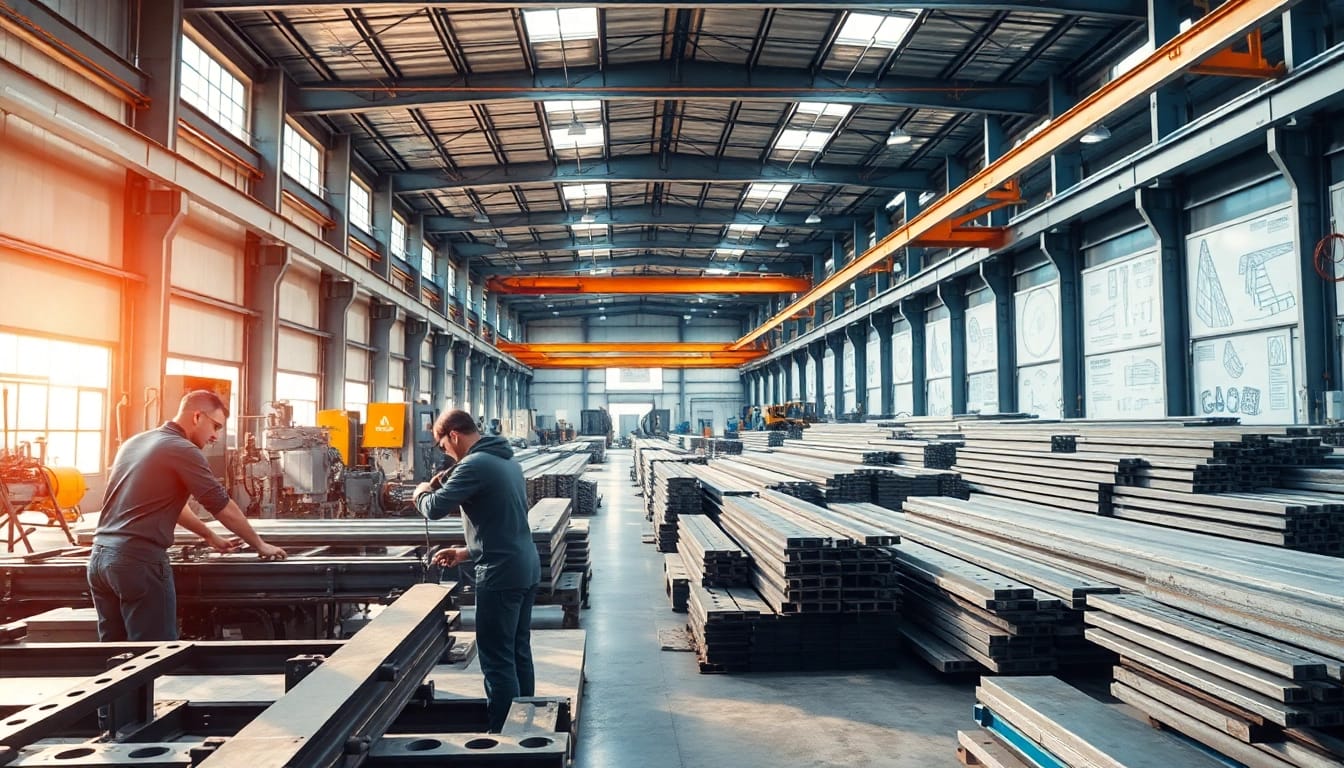
A steel fabrication shop is a specialized facility where raw steel is transformed into finished products through various processes. The core functions of a steel fabrication shop encompass cutting, bending, welding, and assembling steel components tailored to meet specific requirements for construction, manufacturing, and other industrial applications. This transformation process begins with the procurement of raw materials and includes various stages aimed at creating a wide array of products, from simple brackets to complex structural frameworks.
Types of Steel Fabrication Processes
The processes involved in steel fabrication are diverse and cater to different project needs. Some of the primary types include:
- Cutting: This can involve methods like laser cutting, plasma cutting, and shearing, critical for obtaining precise dimensions from raw steel.
- Bending: Steel components are often bent using hydraulic presses or roll bending machines, allowing for the formation of curves and angles.
- Welding: This process involves joining two or more pieces of steel together through methods like MIG (Metal Inert Gas) or TIG (Tungsten Inert Gas) welding, essential for creating strong, durable structures.
- Assembling: After individual components are fabricated, they are assembled into larger structures or systems, often involving bolts, clips, or additional welding.
- Finishing: This stage includes processes like painting, galvanizing, or coating to enhance durability and aesthetic appeal.
Common Equipment Used
The efficiency and precision of a steel fabrication shop heavily rely on specialized equipment. Some commonly used tools and machinery include:
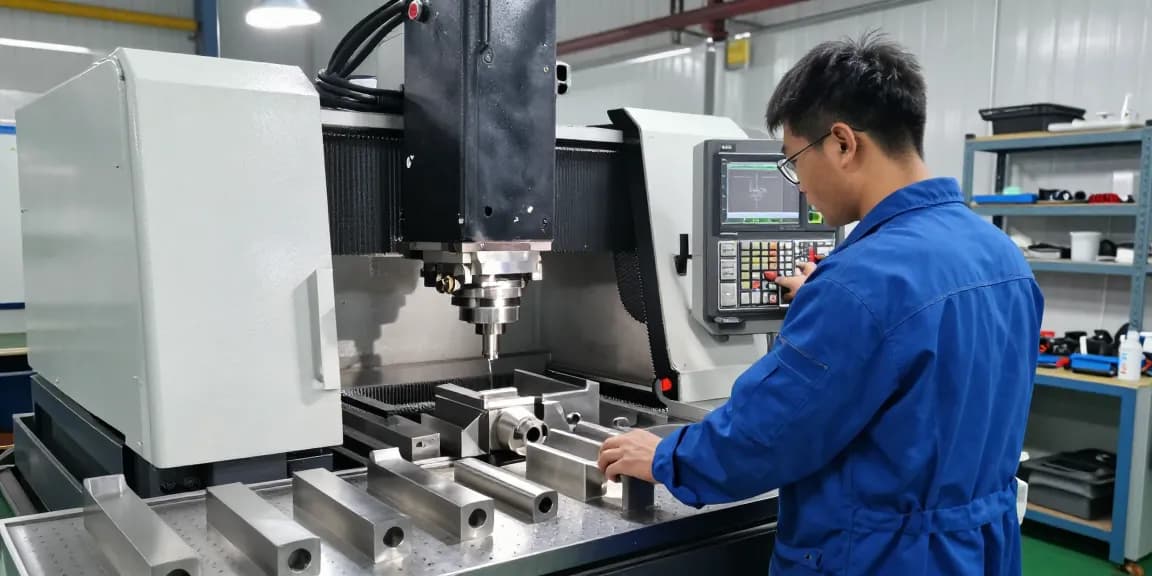
- Laser Cutters: For high precision in cutting complex shapes.
- Press Brakes: To bend sheets of metal into desired angles.
- Welding Machines: Various machines for different welding techniques, including MIG and TIG welders.
- Band Saws and Angle Grinders: Essential for cutting steel to exact lengths and preparing edges for welding.
- Shears: For cutting metal sheets and plates efficiently.
The Importance of Quality Control in Steel Fabrication Shops
Standards for Materials and Construction
Quality control is not just an option in a steel fabrication shop; it is a necessity. Maintaining high standards for materials used and construction processes directly impacts the integrity and safety of the end product. Compliance with established regulatory standards, such as ASTM (American Society for Testing and Materials) and ISO (International Organization for Standardization) ensures that materials are suitable for their intended applications, essentially reducing the risks associated with structural failure.
Methods of Quality Assurance
To uphold strict quality control, steel fabrication shops often implement various methods including:
- Inspection: Regular inspection throughout the fabrication process helps identify defects before they escalate. This can involve visual inspections and advanced non-destructive testing (NDT) methods such as ultrasonic or radiographic testing.
- Documentation: Keeping detailed records of materials used, certifications, and inspection results is critical for accountability and traceability.
- Employee Training: Continuous training of staff on safety protocols and best practices ensures that all personnel are equipped with the knowledge needed to maintain quality standards.
Impact of Quality on Project Success
The quality of fabrication directly affects the longevity and performance of the finished structures. High-quality fabrication minimizes risks, reduces the likelihood of costly rework, and ensures that projects are completed on time. Moreover, it enhances customer satisfaction, as clients can trust that the structures fabricated will perform as intended without issues arising from material failure or design flaws.
Key Players in the Steel Fabrication Industry
Roles of Fabricators and Welders
In a steel fabrication shop, the roles of fabricators and welders are crucial. Fabricators are responsible for interpreting blueprints and ensuring accurate measurements and cuts. Welders play a key role in assembling these components, requiring a high level of skill and understanding of welding techniques. Their expertise and experience significantly influence the quality of the final product.
Collaboration with Other Contractors
The effective functioning of a steel fabrication shop depends heavily on collaboration with various stakeholders, including architects, general contractors, and engineers. Clear communication and an understanding of project specifications are essential to ensure that the fabricated components fit seamlessly into the overall construction plan. This collaborative approach minimizes misunderstandings and facilitates smoother workflows.
Supply Chain Dynamics
The steel fabrication industry operates within a complex supply chain that involves the sourcing of raw materials, transportation, and inventory management. Effective supply chain management is critical to ensuring that materials are available when needed without incurring excessive costs. Moreover, strong relationships with suppliers can lead to better pricing and quality assurance, which benefits the overall fabrication process.
Innovations Shaping the Future of Steel Fabrication
Adoption of Automation and Robotics
The integration of automation and robotics in steel fabrication is revolutionizing the industry. Automated machines increase efficiency, reduce labor costs, and enhance precision in cutting and welding processes. Using robotic arms for welding not only speeds up production but also ensures consistency and quality that is hard to achieve with manual labor.
Green Fabrication Practices
As sustainability becomes a priority in all industries, steel fabrication shops are adopting green practices to reduce their carbon footprint. This includes recycling scrap materials, utilizing energy-efficient machinery, and selecting sustainable materials when possible. Implementing these practices not only meets regulatory requirements but also appeals to environmentally conscious clients.
Future Trends in Technology and Design
Emerging technologies such as 3D printing, advanced software for design and simulation, and the use of artificial intelligence for process optimization are on the rise in the steel fabrication sector. These innovations enhance design capabilities, enabling more intricate shapes and structures that were previously unattainable, while also optimizing material usage and project timelines. Staying current with these trends is essential for staying competitive in the evolving landscape of steel fabrication.
Choosing the Right Steel Fabrication Shop for Your Needs
Factors to Consider When Selecting a Shop
When selecting a steel fabrication shop, it's vital to consider several factors to ensure that you find a partner that aligns with your project's specific requirements. Key considerations include:
- Experience: Look for shops with a proven track record in handling projects similar to yours. Experience indicates familiarity with particular challenges and regulatory requirements.
- Capabilities: Assess the shop's capabilities in terms of the variety of services offered, equipment available, and previous projects completed.
- Quality Assurance: Inquire about the quality control procedures they have in place. A reliable shop will have clear standards and documentation methods to track progress and quality.
Evaluating Capabilities and Experience
Visit potential fabrication shops to evaluate their facilities and equipment. Assessing their operation in person can provide valuable insights into their capabilities. Discussing past projects and examining their portfolio can also highlight their experience and expertise in certain areas. If possible, seek references from previous clients to vet their reliability and quality of work.
Tips for Successful Collaboration
Once you've chosen a steel fabrication shop, establishing a solid collaborative relationship is crucial. Here are some tips to ensure success:
- Clear Communication: Maintain open lines of communication throughout the project lifecycle. Ensure that everyone involved is on the same page regarding timelines, expectations, and deliverables.
- Set Realistic Timelines: Work with the fabrication shop to establish realistic project schedules based on their current workload and capabilities.
- Regular Check-Ins: Schedule regular progress meetings to discuss updates, challenges, and any necessary adjustments to the project plan.