Understanding Austin Construction Trends
The landscape of Austin construction is continually evolving as the city grows, attracting newcomers and investors alike. The construction industry in Austin is fueled by a mix of innovative designs, sustainable practices, and the latest technological advancements. Understanding the current market dynamics, popular construction styles, and local regulations is essential for anyone looking to engage with this booming sector.
Current Market Overview
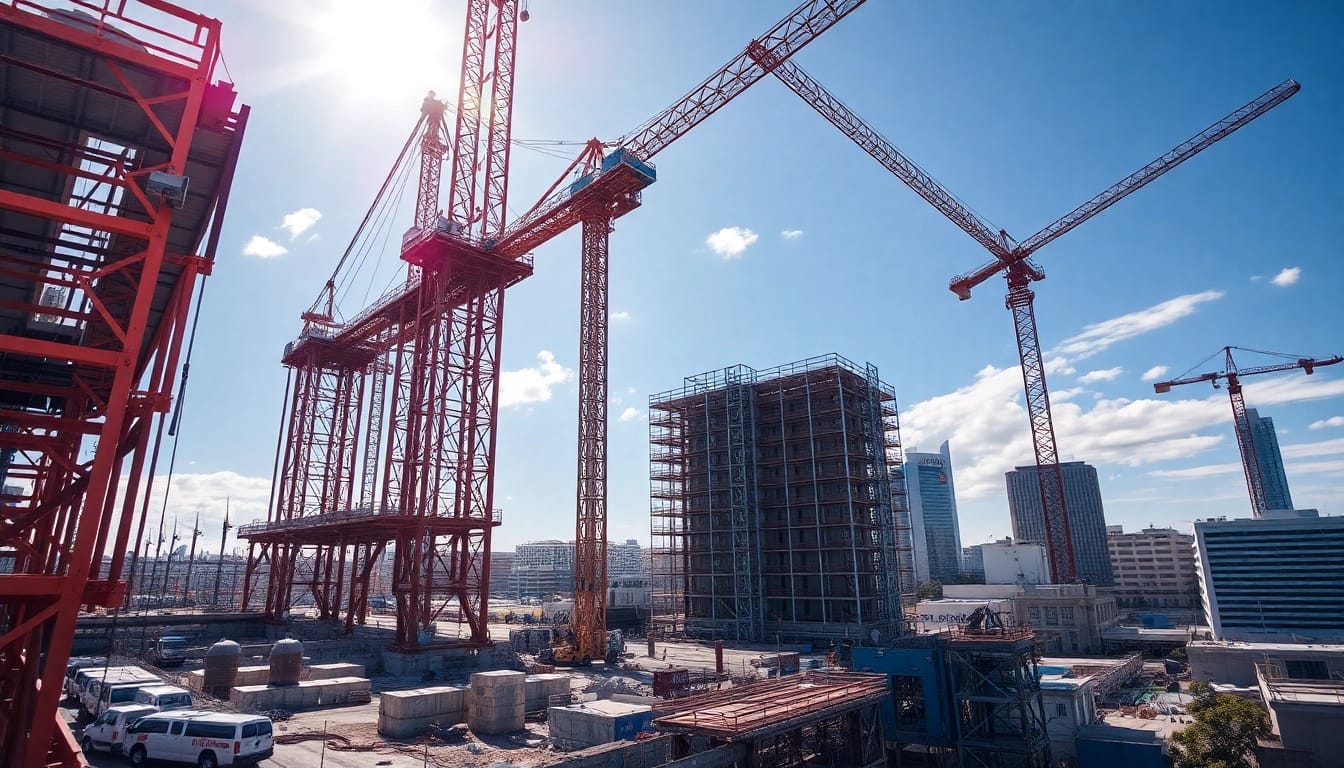
Austin's construction market has seen a remarkable surge, driven by a booming economy and a robust job market. As population growth continues to outpace housing supply, the demand for residential, commercial, and industrial properties is anticipated to rise. The convergence of tech giants, startups, and educational institutions ensures a continuous influx of professionals, which further intensifies the housing demand. Additionally, public investments in infrastructure and urban development projects contribute to a flourishing construction landscape.
Popular Construction Styles in Austin
Architectural styles in Austin vary widely, reflecting the city's unique culture and heritage. Among the most popular styles are:
- Modern Minimalism: Characterized by clean lines, open spaces, and a focus on functionality, modern minimalism caters to those seeking a simplistic yet elegant aesthetic.
- Craftsman: This style emphasizes handcrafted details, using natural materials like wood and stone, resonating well with Austin's appreciation for artisanal craftsmanship.
- Texas vernacular: Incorporating elements of traditional Texan architecture, this style often features pitched roofs, wide porches, and an emphasis on indoor/outdoor living.
These styles not only serve aesthetic purposes but also align with energy efficiency and sustainable living trends, crucial for modern Austin residents.
Influence of Local Regulations
Local zoning laws, building codes, and environmental regulations play a significant role in shaping the Austin construction landscape. Developers must navigate complex permitting processes that vary by district. Moreover, the city’s commitment to sustainability has led to stringent environmental regulations, requiring projects to adhere to green building standards. Understanding these regulations is vital for ensuring compliance and successful project execution.
Technological Advances in Austin Construction
Embracing Sustainable Practices
Sustainability is at the forefront of the construction industry in Austin. Developers are increasingly adopting green building practices that minimize environmental impact while maximizing efficiency. Features such as solar panels, energy-efficient HVAC systems, and sustainable materials are becoming commonplace. The incorporation of LEED (Leadership in Energy and Environmental Design) certifications further emphasizes the commitment to environmental stewardship, appealing to eco-conscious buyers.
Construction Automation and AI
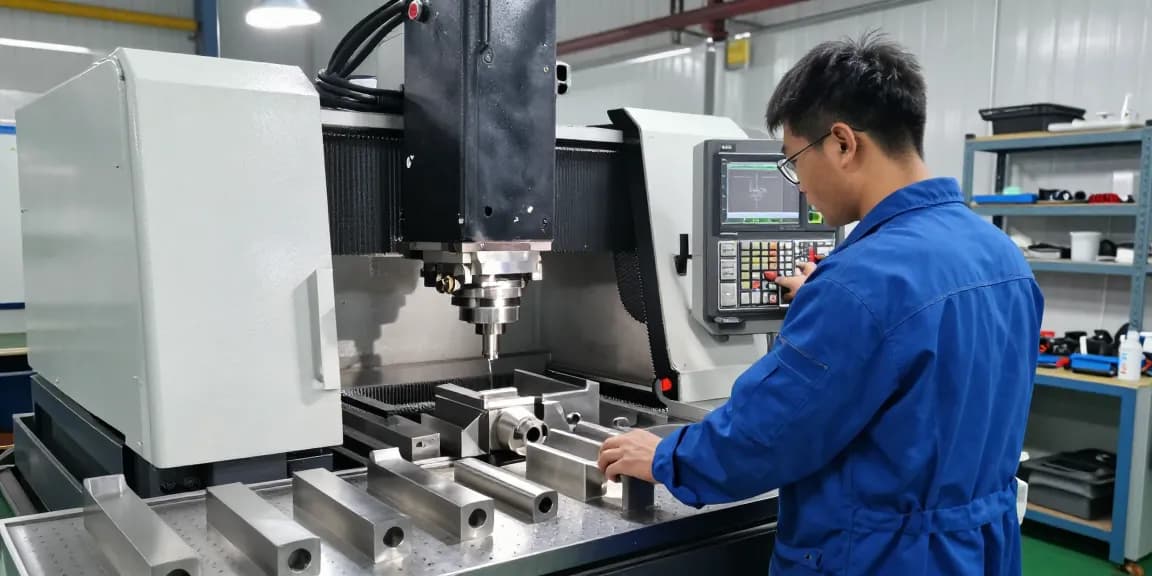
The integration of automation and artificial intelligence (AI) into construction processes is revolutionizing the industry. AI tools can enhance project management by providing predictive analytics for budgeting and scheduling. Automation, including robotics and drones, is being employed for tasks ranging from site surveying to inspections, thereby increasing efficiency and reducing human error. This technological shift is enabling developers to complete projects faster and at lower costs.
3D Printing in Building Projects
3D printing technology is making waves in Austin's construction sector. By allowing for rapid prototyping and the potential for custom designs, it streamlines the construction process. This approach not only reduces material waste but also lowers labor costs. Small-scale residential projects and even larger structures are beginning to take advantage of this innovative technology, setting a precedent for future construction methodologies.
Challenges Facing Austin Construction Developers
Labor Shortages and Skills Gap
One of the most pressing challenges in the Austin construction sector is the labor shortage exacerbated by a growing skills gap. With increasing demand for skilled labor, many developers are finding it difficult to hire qualified workers. Investing in training programs and partnerships with local educational institutions can help bridge this gap and ensure a steady pipeline of skilled labor is available for future projects.
Supply Chain Disruptions
Supply chain disruptions have presented significant hurdles for construction developers, especially in the wake of global events impacting material availability. Delays in shipping and heightened costs for construction materials can derail project timelines and budgets. To mitigate these risks, developers are encouraged to establish strong relationships with multiple suppliers and adopt just-in-time inventory practices to maintain flexibility and resilience.
Weather-Related Risks
Austin's weather can pose unique challenges to construction projects. Frequent rain and extreme temperatures can lead to delays and increased costs. Implementing weather mitigation strategies, such as timely scheduling of projects during favorable seasons and using weather-resistant materials, can help developers minimize impacts and maintain project efficiency.
Best Practices for Successful Austin Construction Projects
Budgeting and Financial Planning
Sound financial planning is critical for the success of any construction project. Developers should prepare comprehensive budgets that account for all potential costs, including labor, materials, permits, and unexpected contingencies. Utilizing financial management software can provide clarity and help track expenses against projections throughout the project lifecycle.
Effective Project Management Techniques
Robust project management techniques are essential when navigating the complexities of construction. Adopting methodologies such as Agile or Lean construction can promote a more collaborative project environment. Regular progress assessments and incorporating employee feedback can further improve efficiency while keeping projects on schedule.
Collaborative Approaches to Design
Involving all stakeholders in the design process improves project outcomes considerably. Collaborative design practices encourage input from architects, engineers, and contractors from the outset, ensuring all perspectives are considered. This approach can reduce the likelihood of costly changes during construction and facilitate a smoother overall process.
Future Outlook for Austin Construction
Predicting Market Growth
Forecasts for Austin's construction market point to continued growth as the city remains a desirable location for new residents and businesses. As the tech industry expands and urban development projects proliferate, the construction sector is poised for significant investment and innovation. Sustainable practices and technological advancements will likely shape future trends, keeping Austin at the forefront of the construction industry.
Emerging Neighborhoods and Developments
New neighborhoods are emerging across Austin as urban sprawl continues. Areas such as East Austin and South Congress are undergoing revitalization, attracting new housing projects and commercial enterprises. Developers should monitor these areas meticulously to identify opportunities for investment and to contribute to community development.
Long-term Impacts of Urbanization
As urbanization intensifies, constructions in Austin are responding to evolving demographics and changing lifestyles. The shift towards multi-use developments that integrate residential, commercial, and recreational spaces caters to modern living preferences. This trend promotes sustainability and community engagement, factors likely to influence urban planning decisions for years to come.
Frequently Asked Questions
What are the current construction trends in Austin?
Austin is seeing a rise in sustainable building practices, modern architectural styles, and the incorporation of technology such as AI and automation.
How do local regulations affect construction in Austin?
Local regulations shape zoning laws, building codes, and environmental standards, significantly impacting project planning and execution.
What challenges are developers facing in Austin?
Developers face labor shortages, supply chain disruptions, and weather-related risks which can affect timelines and costs.
What practices ensure successful construction projects?
Effective budgeting, strong project management, and collaborative design approaches contribute to successful construction projects.
What is the future outlook for Austin construction?
The construction market in Austin is expected to grow, driven by urbanization, technological advancements, and the demand for sustainable practices.