
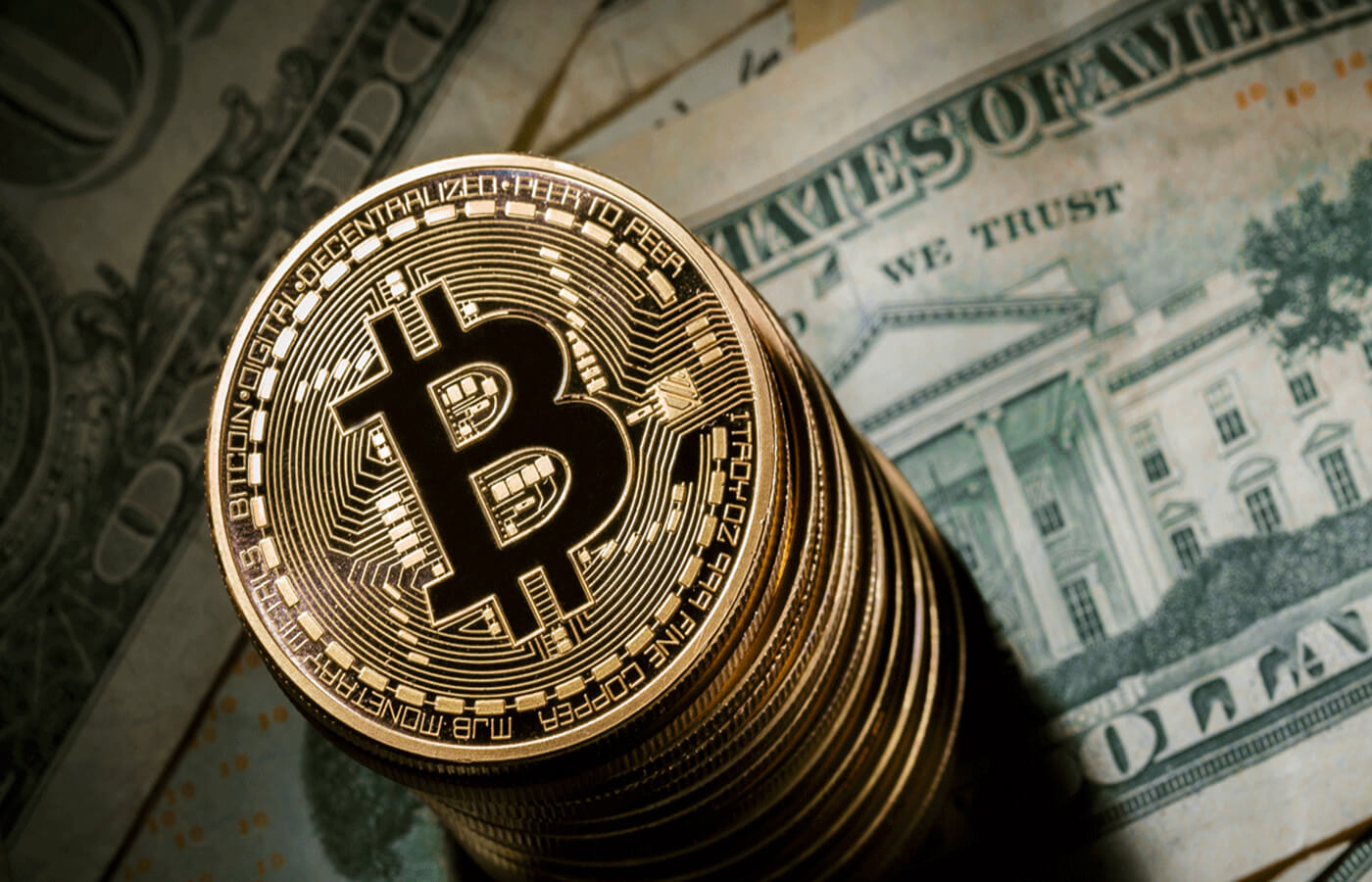
The rise of Bitcoin NFTs has introduced a new era of digital ownership, but with expansion comes the need for proper verification. As collectors invest in increasingly rare and valuable assets, knowing how to authenticate Bitcoin NFTs has become essential. Whether you're a beginner or a seasoned trader, understanding verification methods can protect your collection and ensure you’re acquiring genuine, trustworthy digital items. This guide breaks down all the practical steps you need to take when verifying authenticity in Bitcoin NFTs.
Why Authenticity Matters
Protecting Your Investment
Authenticity determines the real value of Bitcoin NFTs. If an item is forged or duplicated, it loses both financial and historical significance. Verifying authenticity helps collectors avoid scams and maintain the integrity of their portfolios.
Preserving Historical Significance
Many early Bitcoin NFTs carry cultural and blockchain-history value. Ensuring that an asset is original preserves its importance within the community and strengthens trust across the market.
Understanding the Structure of Bitcoin NFTs
On-Chain Transparency
One of the biggest advantages of Bitcoin NFTs is that all metadata, ownership details, and transaction records are stored directly on the blockchain. This transparency makes verification much simpler than with off-chain systems.
The Role of Counterparty
Many early and modern Bitcoin NFTs are minted through the Counterparty protocol. Counterparty’s decentralized structure ensures verifiable records that allow buyers to trace an asset’s full origin, supply, and creator information.
Key Steps to Verify Authenticity
Step 1: Check the Asset’s Issuance
The first step in verifying Bitcoin NFTs is reviewing the issuance data. This includes mint date, creator address, and total supply. Authentic collectible assets always have clear issuance documentation visible on-chain.
Step 2: Review Ownership History
Authentic Bitcoin NFTs have a complete, unalterable ownership trail. By examining previous holders, transfer records, and timestamps, collectors can confirm that the asset was not duplicated or fraudulently minted.
Step 3: Validate the Creator Address
The creator’s wallet address is a crucial authenticity indicator. Many creators announce their official addresses publicly, and legitimate Bitcoin NFTs can always be traced back to these known sources.
Step 4: Confirm Scarcity and Supply
Supply numbers are essential when determining authenticity. Every Bitcoin NFT should have a verifiable maximum issuance. Counterparty and blockchain explorers allow buyers to check supply limits to ensure no additional tokens were created later.
Step 5: Use Reputable Marketplaces
Platforms like Horizon Market list Bitcoin NFTs after thorough verification steps. By using trusted marketplaces, collectors significantly reduce the risk of acquiring fake or manipulated assets.
Tools Used for Authenticity Verification
Blockchain Explorers
Explorers like Counterparty Explorer and Bitcoin block explorers provide real-time data for verifying Bitcoin NFTs, including issuance transactions, asset locks, supply caps, and ownership records.
Community Resources
Active communities often maintain lists of verified creators and collections. This is especially useful for older Bitcoin NFTs, where community knowledge plays an important role in confirming authenticity.
Metadata Comparison
Every authentic Bitcoin NFT includes consistent metadata. Checking images, descriptions, and hashes against known originals is another strong way to verify legitimacy.
Common Red Flags to Watch For
Inconsistent Metadata
If the metadata for a Bitcoin NFT doesn’t match the known original version, it could indicate tampering or duplication.
Unknown Creator Addresses
If an asset comes from a wallet not recognized by the community or not linked to a legitimate creator, proceed with caution.
Altered Supply
Changing the maximum issuance after creation is a major red flag. Authentic Bitcoin NFTs always maintain fixed supply parameters.
Suspiciously Low Prices
If a rare asset is significantly underpriced, it may be a replica or a misleading listing. Authentic Bitcoin NFTs tend to have stable market value based on their provenance and scarcity.
The Importance of Community Verification
Leveraging Collective Expertise
Communities surrounding Bitcoin NFTs often include long-time collectors who have deep knowledge of rare assets. Their expertise can help verify complex or older collectibles.
Historical Documentation
Many early projects maintain public documents, spreadsheets, or archives detailing authentic collections. These community records are often essential for verifying vintage Bitcoin NFTs.
How Marketplaces Improve Authenticity
Pre-Listing Review
Trusted marketplaces review key elements of Bitcoin NFTs, including metadata, creator verification, and supply accuracy, before allowing listings.
Transparent Trade Records
Marketplaces store transaction data, making it easier to track the movement of authentic Bitcoin NFTs and verify sale history.
Creator Verification Tags
Some platforms label verified creators, helping buyers trust the source of the assets they’re purchasing.
Tips for Buyers Before Purchasing Bitcoin NFTs
Always Double-Check Supply
Scarcity defines the value of Bitcoin NFTs, so verifying supply before buying is crucial.
Compare With Known Originals
If you’re exploring historical or well-known collections, always compare assets with official references.
Avoid Rushed Purchases
Scammers often create urgency. Take your time to verify each detail before completing a transaction involving Bitcoin NFTs.
Conclusion
Verifying authenticity is essential for anyone collecting or trading Bitcoin NFTs. By checking issuance data, reviewing ownership history, validating creator addresses, and using trusted tools and marketplaces, collectors can confidently navigate the ecosystem. As the demand for rare and valuable Bitcoin NFTs continues to grow, mastering authenticity verification will protect your investments and ensure your digital assets remain secure, genuine, and meaningful for years to come.