
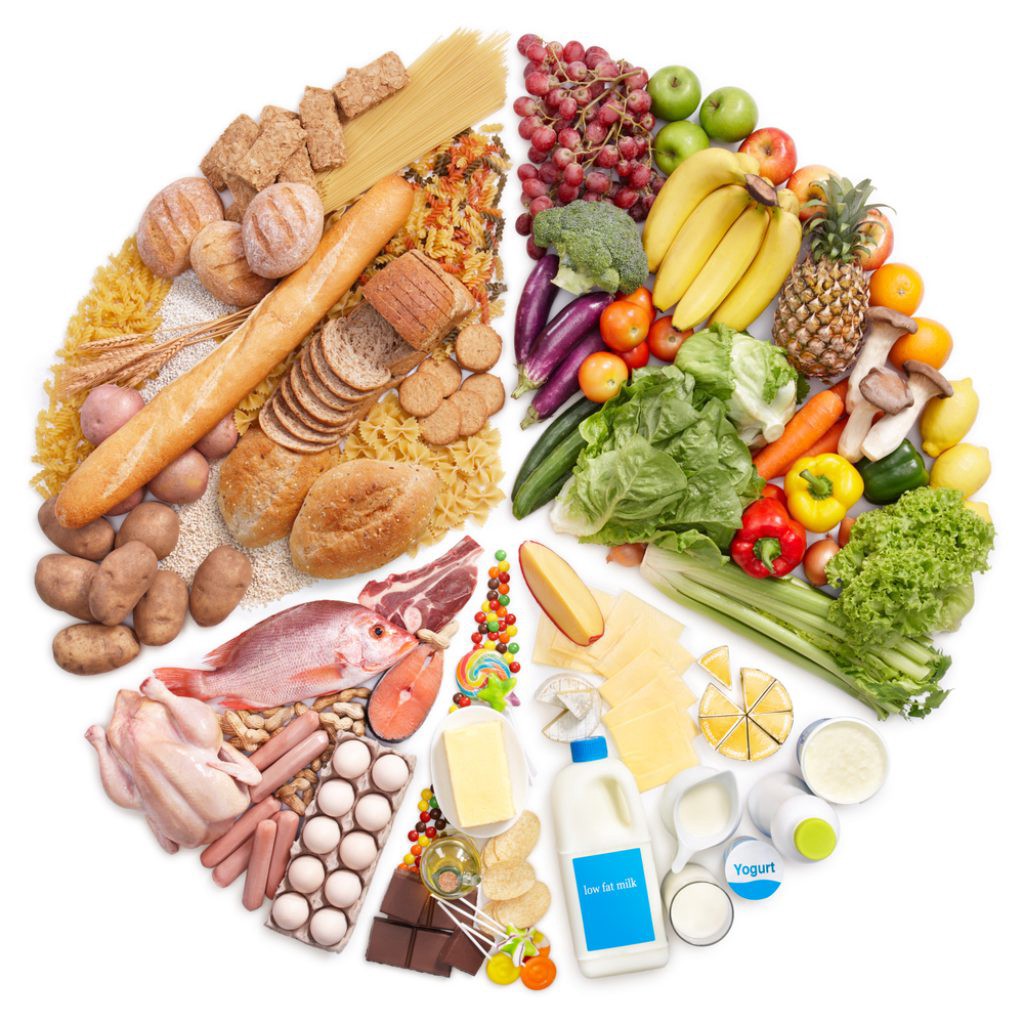
The Mediterranean Diet is often celebrated as the gold standard of healthy eating—and at the heart of this lifestyle are two key elements: olive oil and whole foods. These foundational components are more than just culinary staples; they’re deeply connected to health, vitality, and longevity. Decades of research have revealed how the Mediterranean diet, centered on olive oil and whole, unprocessed ingredients, promotes long life, supports heart and brain health, and protects the body from chronic disease.
The Role of Olive Oil in the Mediterranean Diet
Olive oil, especially extra virgin olive oil, is the soul of the Mediterranean Diet. Used daily for cooking, dressing salads, and drizzling over vegetables, this golden oil is rich in antioxidants, polyphenols, and monounsaturated fats—nutrients that have profound health benefits.
The Science of Olive Oil and Longevity
The Mediterranean Diet benefits from olive oil’s ability to combat oxidative stress and inflammation, two major contributors to aging and disease. The antioxidants in olive oil neutralize free radicals, protecting cells from damage. Studies have linked regular olive oil consumption to lower risks of heart disease, stroke, and certain cancers.
Moreover, the monounsaturated fats in olive oil help reduce LDL (“bad”) cholesterol while maintaining HDL (“good”) cholesterol. This supports cardiovascular function and keeps arteries clear—one of the primary reasons why people following the Mediterranean Diet tend to live longer and suffer fewer heart problems.
Olive Oil for Brain Health
The Mediterranean Diet also supports mental longevity, and olive oil plays a key role here too. The polyphenols in olive oil protect neurons from oxidative damage, improving cognitive performance and reducing the risk of Alzheimer’s disease. Regular consumption has been shown to enhance memory, mental clarity, and mood.
Whole Foods: The Foundation of Mediterranean Longevity
While olive oil is central, the Mediterranean Diet is equally defined by its focus on whole foods—fruits, vegetables, whole grains, legumes, nuts, and seeds. These natural ingredients deliver vitamins, minerals, and fiber in their most bioavailable form.
Nutrient-Dense and Naturally Balanced
The Mediterranean Diet prioritizes real, unprocessed food. By doing so, it provides a perfect balance of macronutrients and micronutrients without the excess sugars, preservatives, or unhealthy fats found in modern diets. Whole grains provide steady energy and support digestion; legumes supply plant-based protein and fiber; fruits and vegetables offer antioxidants that protect against disease.
Together, these whole foods nourish the body from the inside out, reducing inflammation, stabilizing blood sugar, and supporting longevity.
The Power of Plant-Based Eating
A defining feature of the Mediterranean Diet is that it’s largely plant-based. Meat is eaten in small quantities, while fruits, vegetables, and legumes make up the majority of meals. This plant-forward approach is linked to a lower risk of chronic diseases such as diabetes, hypertension, and obesity.
The high fiber content of plant foods also supports gut health—a key factor in longevity. A healthy gut microbiome boosts immunity, reduces inflammation, and enhances nutrient absorption, all of which contribute to long-term vitality.
How Olive Oil and Whole Foods Work Together
The Mediterranean Diet’s magic lies in the synergy between olive oil and whole foods. Olive oil enhances the absorption of fat-soluble vitamins like A, D, E, and K found in vegetables. It also makes meals more satisfying, reducing the urge to overeat or snack on processed foods.
When combined, olive oil and whole foods create a nutrient-rich foundation that supports every aspect of health. They improve cardiovascular function, reduce oxidative stress, support brain performance, and promote balanced metabolism—cornerstones of longevity in the Mediterranean Diet.
The Heart-Longevity Connection
Heart health is one of the strongest indicators of lifespan, and the Mediterranean Diet is unparalleled in this area. Olive oil’s monounsaturated fats and whole foods’ natural fiber work together to reduce arterial inflammation and maintain healthy blood pressure.
Proven Cardiovascular Benefits
Multiple studies have shown that those following the Mediterranean Diet have lower rates of heart disease and stroke. The famous PREDIMED study found that participants who consumed a diet rich in olive oil and nuts had a 30% lower risk of major cardiovascular events compared to those on a low-fat diet. This evidence firmly establishes olive oil and whole foods as longevity-promoting essentials.
Anti-Aging Benefits of the Mediterranean Diet
The Mediterranean Diet does more than prevent disease—it slows the aging process at the cellular level. The antioxidants in olive oil and plant foods reduce DNA damage, while anti-inflammatory compounds protect against age-related decline. People who follow this diet typically enjoy not only longer lives but also higher quality of life, with greater mobility, clearer minds, and better mood well into old age.
Skin and Vitality
Interestingly, the Mediterranean Diet even supports outward signs of youth. Olive oil provides vitamin E and healthy fats that nourish skin from within, keeping it smooth and radiant. Whole foods rich in vitamin C, such as citrus and leafy greens, support collagen production, making this diet a natural beauty regimen as well.
Making Olive Oil and Whole Foods Part of Modern Life
Adopting the Mediterranean Diet doesn’t require living near the sea—it’s about making conscious, simple choices daily.
- Cook with Extra Virgin Olive Oil – Replace butter or refined oils with olive oil for cooking, dressings, and baking.
- Base Meals Around Plants – Fill most of your plate with vegetables, legumes, and whole grains.
- Choose Whole Over Processed – Opt for foods in their natural form whenever possible.
- Eat Fresh and Seasonal – Follow the rhythm of nature to get the most nutrients from your meals.
- Enjoy Food Mindfully – The Mediterranean Diet is also about savoring each bite and sharing meals with loved ones.
These simple habits, inspired by Mediterranean traditions, can transform not only how you eat but how you live.
Conclusion
The Mediterranean Diet endures as the world’s healthiest lifestyle because of its simplicity and balance. Olive oil and whole foods are its greatest secrets—working together to protect the heart, sharpen the mind, and extend lifespan. Backed by science and rooted in tradition, this way of eating proves that longevity doesn’t come from restriction but from nourishment, flavor, and connection. Embracing olive oil and whole foods through the Mediterranean Diet isn’t just a dietary choice—it’s a commitment to a longer, healthier, and more vibrant life.