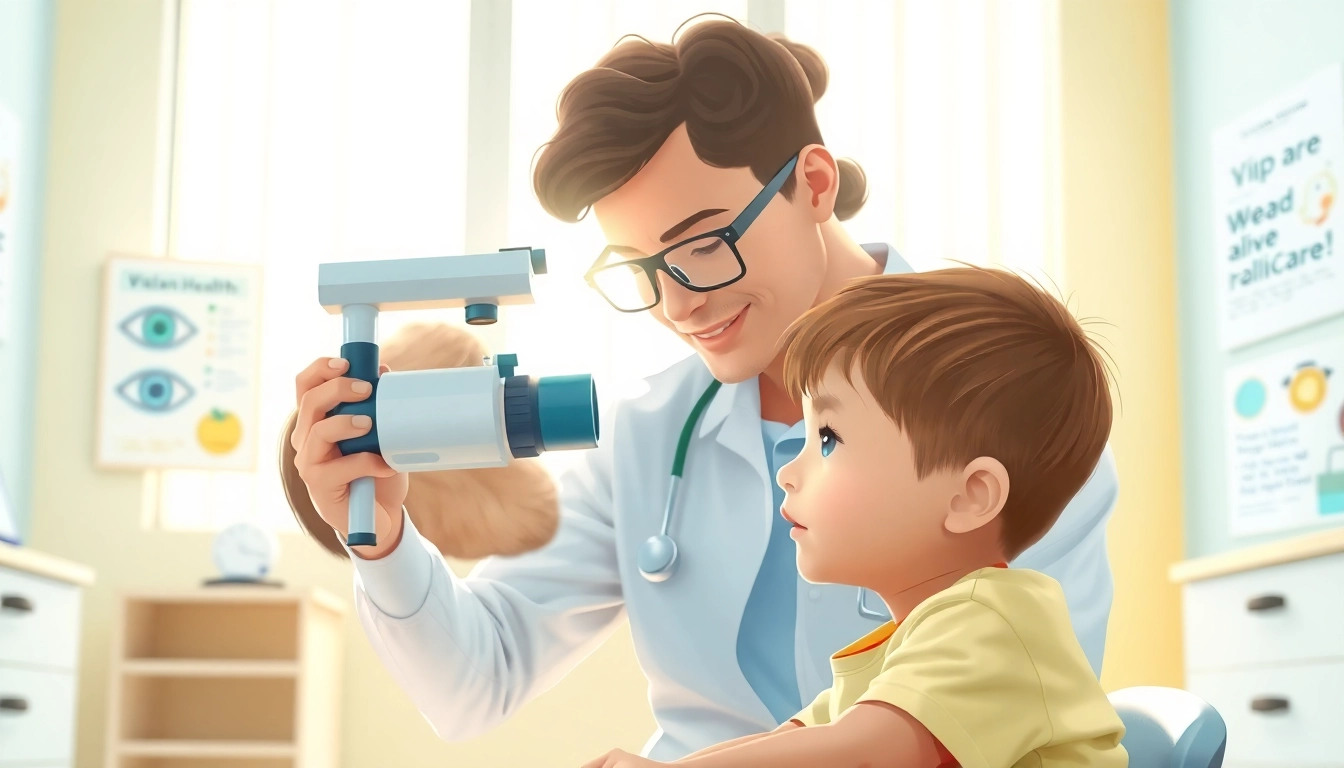
The Importance of Eye Health in Children
Childhood is a critical period for the development of vision, an essential aspect of a child's overall well-being. Healthy vision plays a pivotal role not only in a child's ability to learn and interact with the world but also in their social development and self-esteem. As advocates for children's eye health, it is crucial to understand the challenges they face and the implications of neglecting eye care. Programs like Our Children's Vision work towards ensuring every child has access to proper eye care.
Understanding Common Vision Issues
Various vision issues affect children, and early detection is key. Common conditions include:
- Myopia (Nearsightedness): A prevalent refractive error, myopia leads to difficulty seeing distant objects clearly. Early signs can often be overlooked, as children may not express discomfort.
- Hyperopia (Farsightedness): This condition can result in difficulty focusing on nearby objects. While often asymptomatic in early childhood, it can affect reading and learning in school.
- Astigmatism: An irregular shape of the cornea or lens resulting in blurred vision. This often accompanies myopia and hyperopia and can lead to eye strain and discomfort.
- Amblyopia (Lazy Eye): This condition arises when one eye fails to achieve normal visual acuity, often due to a mismatch in focusing between the eyes. Early intervention is key for effective treatment.
- Strabismus (Crossed Eyes): This condition occurs when the eyes do not properly align with each other. It can lead to depth perception issues and is often associated with amblyopia.
Impact of Poor Vision on Development
Poor vision can have far-reaching consequences for children. Studies reveal that untreated vision issues are associated with:
- Academic Underachievement: Children with vision impairments may struggle to read and participate actively in classroom settings, resulting in lower academic performance.
- Social Challenges: Difficulty seeing can hinder social interactions, making children feel isolated or misunderstood by their peers.
- Behavioral Issues: Frustration due to undiagnosed vision problems can lead to behavioral issues or disinterest in school and activities.
Role of Parents and Guardians in Eye Care
Parents and guardians play a critical role in their children's eye health. Regular eye examinations should be prioritized, beginning as early as six months old. It's essential for parents to:
- Be aware of vision health: Parents should educate themselves about common vision problems and signs indicating a potential issue.
- Schedule regular eye exams: Following the recommended schedule ensures early detection and treatment of any problems.
- Encourage outdoor activities: Research shows that time spent outdoors can reduce the risk of developing myopia.
Our Children's Vision Initiatives and Goals
The mission of Our Children's Vision is rooted in ensuring that children worldwide have access to necessary vision care. The following outlines key initiatives:
Global Reach and Achievements
With a profound commitment, Our Children's Vision has reached millions of children across various regions. The campaign focuses on:
- Access to Eye Care: Collaborating with local health providers to establish eye care services in communities lacking resources.
- Awareness Campaigns: Educating communities about the importance of eye health and routine screenings.
- Data Collection and Research: Conducting studies to analyze the prevalence of vision issues and gauge the effectiveness of interventions.
Collaborative Efforts with Healthcare Providers
Partnering with health organizations, schools, and community leaders enables Our Children's Vision to implement sustainable eye care solutions. Collaborative efforts include:
- Training local healthcare workers to conduct vision screenings and refer children in need of further care.
- Integrating vision health into existing healthcare frameworks to ensure a holistic approach to children’s well-being.
- Fostering partnerships to provide resources and tools necessary for effective eye examinations and treatments.
Long-term Vision for Child Eye Health
The long-term goals of Our Children's Vision focus on sustainability and accessibility. Strategies include:
- Policy Advocacy: Working towards improved health policies that prioritize children's vision care.
- Community Empowerment: Equipping communities with the knowledge and resources to address their vision care needs independently.
- Continuous Education: Ongoing training programs for healthcare providers to stay current on best practices in pediatric eye health.
How to Promote Awareness of Our Children's Vision
Raising awareness of children's vision issues is essential for driving change. Here are effective methods:
Community Engagement Strategies
Grassroots movements can be impactful in creating local solutions:
- Hosting local events, such as vision screenings and educational workshops, promoting eye health awareness can directly engage the community.
- Creating partnerships with schools and community centers to disseminate information regarding available eye care resources.
- Building networks of families affected by vision issues to share experiences and support one another.
Leveraging Social Media for Outreach
Social media platforms provide an excellent avenue for outreach and engagement:
- Utilizing engaging content, such as infographics, videos, and testimonials, to inform and educate followers about children’s eye health.
- Running campaigns promoting specific themes, such as “Vision Health Month,” to maintain ongoing conversations about eye care.
- Engaging influencers who are passionate about children’s health to amplify the message.
Creating Educational Campaigns for Parents
Parents are vital allies in promoting vision health:
- Developing easy-to-understand materials outlining the importance of eye exams and what to expect during appointments.
- Creating workshops that address common concerns parents may have about their children’s eyesight.
- Using multimedia platforms to reach a broader audience with informative videos and articles on eye care.
Best Practices for Regular Eye Examinations
Protecting children's vision starts with establishing a routine around eye exams. The following best practices are essential:
Recommended Age for Initial Screenings
It is recommended that children receive their first eye exam at six months of age, followed by screenings at age three and before they enter school. These early check-ups are crucial for identifying any potential problems early on. Regular follow-ups, depending on individual risk factors, ensure ongoing monitoring.
What to Expect During an Eye Exam
A typical eye examination includes various tests to assess a child's vision:
- Visual acuity tests to measure clarity of vision.
- Cover tests to determine if the eyes are properly aligned.
- Refraction tests to identify any refractive errors, such as myopia or hyperopia.
Parents can prepare their children for an eye exam by explaining the process in a child-friendly manner, and reassuring them that these tests are simple and important.
Follow-up Care and Treatment Options
If a vision issue is detected, timely intervention is key. Potential treatment options include:
- Corrective Lenses: Glasses or contact lenses may be prescribed to address refractive errors.
- Vision Therapy: For conditions like amblyopia or strabismus, specialized therapy can help improve visual skills.
- Regular Monitoring: Ongoing assessments to track progress and adjust treatment plans as necessary.
Measuring Success: Metrics for Child Eye Health Initiatives
Assessing the impact of eye health initiatives is critical for understanding their effectiveness. Here’s how success can be measured:
Tracking Vision Improvement Over Time
Data on the number of children screened and treated for vision issues helps gauge success. This includes:
- Monitoring improvement in visual acuity following interventions.
- Assessing academic progress in children receiving timely care.
- Collecting feedback from parents regarding their children's experiences and outcomes post-treatment.
Assessing Community Engagement and Awareness
To evaluate community engagement, consider metrics such as:
- Participation rates in community eye health events and workshops.
- Increased uptake of eye screenings through referral programs.
- Social media engagement metrics to gauge awareness levels.
Future Goals for Our Children's Vision Programs
As the initiative grows, continual assessment and goal-setting are vital:
- Expanding outreach to underserved communities to ensure equitable access to eye care.
- Strengthening partnerships with healthcare providers to facilitate integrated care.
- Investing in research to develop innovative strategies for addressing children's vision health nationwide.