Understanding Railroad Construction Fundamentals
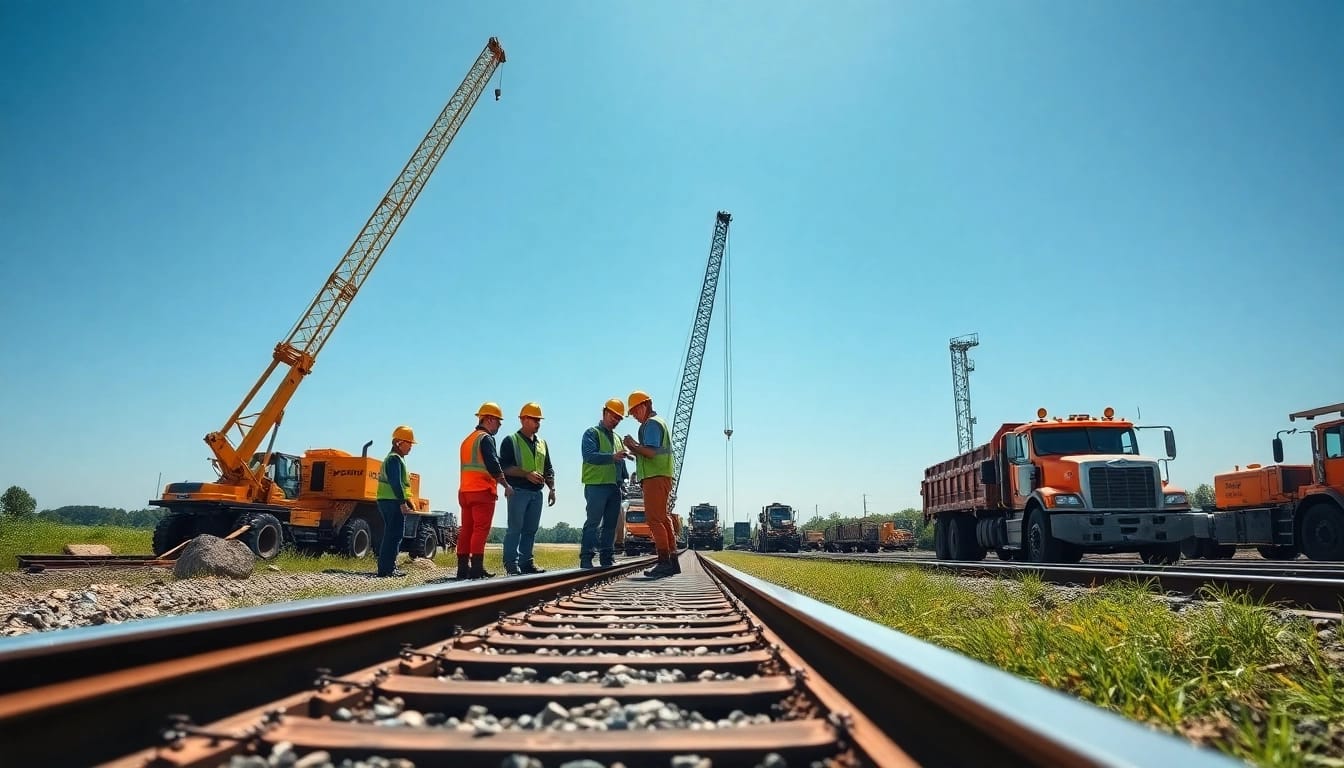
Railroads are a vital component of the transportation infrastructure, facilitating the movement of goods and people across vast distances. The field of Railroad Construction encompasses various practices and technologies developed over decades to create and maintain these crucial networks. In this comprehensive guide, we will explore the fundamentals of railroad construction, providing insights into its history, key components, materials, and best practices.
History of Railroad Construction Practices
The inception of railroad construction dates back to the early 19th century, with the advent of steam locomotives. Initially, railways were constructed using wooden beams laid on stone blocks. Over time, advancements in engineering led to the introduction of iron and steel rails, significantly increasing the speed and capacity of trains. By the late 1800s, railroads had expanded dramatically, playing a crucial role in industrial and economic development.
Throughout the 20th century, railroad construction continued evolving, emphasizing safety and efficiency. The introduction of welded rails, advanced signaling systems, and modern construction equipment transformed the landscape. Contemporary practices now integrate technology and sustainability, addressing the challenges of increasing demand and environmental concerns.
Key Components of Railroad Construction
Understanding the components of railroad construction is essential for successful project execution. The primary elements include:
- Track Structure: The track comprises rails, ties, ballast, and subgrade, forming the foundation for train operations.
- Bridges and Tunnels: Critical for maintaining the integrity of the route, these structures allow for safe crossings and minimize disruption.
- Stations and Terminals: The hubs where passengers board and alight from trains, they are essential for operational efficiency.
- Signaling Systems: These ensure safe and efficient train operations by communicating with operators and regulating traffic.
Common Materials Used in Railroad Construction
The materials employed in railroad construction are pivotal for performance and longevity. Some of the most common materials include:
- Rails: Typically made from steel, rails are designed to withstand immense stress and wear from train traffic.
- Ties: Often made from wood, concrete, or composite materials, ties provide structural support for the rails.
- Ballast: This crushed stone material stabilizes the track and facilitates drainage, preventing erosion and track shifting.
- Cement and Aggregate: Used in the construction of foundations and reinforced structures, these materials are essential for durability.
Project Planning for Successful Railroad Construction
Effectively managing railroad construction projects demands meticulous planning and execution. This section delves into the primary components of project planning, focusing on goal setting, budgeting, regulatory compliance, and timelines.
Setting Goals and Budgeting for Projects
The foundation of any successful railroad construction project lies in clearly defined goals. Stakeholders must establish a project scope, outlining desired outcomes, timelines, and financial constraints. A detailed budget should include labor costs, materials, contingencies, and unforeseen expenses. Utilizing project management tools can help track expenses and ensure adherence to budgets.
Regulatory Requirements and Compliance
Railroad construction projects must comply with a plethora of federal, state, and local regulations. It is paramount to conduct a thorough review of legal requirements, which may include environmental assessments, land use permits, and safety standards. Collaborating with legal experts and regulatory bodies can streamline this process, ensuring that all necessary permits are secured prior to project commencement.
Project Timeline: Scheduling and Milestones
Creating a realistic timeline is vital for project success. This involves scheduling tasks, setting milestones, and allocating resources effectively. Project managers should consider potential delays due to weather, labor availability, and material procurement. Regularly reviewing and adjusting timelines will help keep the project on track and within budget.
Best Practices in Railroad Construction
To optimize efficiency and safety in railroad construction, it is essential to adhere to best practices. This section discusses critical safety protocols, innovative techniques, and environmental considerations that can enhance project outcomes.
Safety Protocols for Workers and Equipment
Safety is paramount in railroad construction, as the industry is subject to various hazards. Implementing strict safety protocols can mitigate risks for both workers and equipment. Key practices include:
- Comprehensive safety training programs for all personnel.
- Regular equipment inspections and maintenance protocols.
- Implementing safety gear requirements and enforcing compliance.
- Establishing clear communication channels for reporting hazards and incidents.
Innovation in Techniques and Technologies
Adopting innovative construction techniques can vastly improve efficiency and reduce costs in railroad construction. Employing techniques such as modular construction allows for prefabrication of components off-site, minimizing on-site assembly time. Additionally, incorporating advanced technologies like drones for site surveying and GIS for planning can enhance project accuracy and efficiency.
Environmental Considerations in Projects
Sustainable practices in railroad construction are increasingly imperative due to growing environmental concerns. Considerations include minimizing disruption to local ecosystems, utilizing sustainable materials, and managing waste effectively. Furthermore, the implementation of noise reduction technologies and green construction methods can help mitigate the environmental impact of new projects.
Challenges in Railroad Construction
Despite the advancements in technology and practices, railroad construction faces several challenges. This section examines critical issues such as weather impacts, supply chain constraints, and workforce shortages.
Dealing with Weather and Environmental Factors
Weather can significantly impact railroad construction timelines and budgets. Heavy rain, snow, or extreme temperatures can hinder construction activities and pose safety hazards. Planning for seasonal weather patterns and incorporating contingency plans can alleviate some of these challenges. For instance, selecting seasons with historically favorable conditions for construction can minimize disruptions.
Managing Supply Chain and Material Availability
The availability of materials is crucial for maintaining project schedules. Disruptions in the supply chain, such as transportation delays or shortages, can impede progress. Establishing strong relationships with suppliers and diversifying material sources can mitigate these risks. Additionally, leveraging technology to forecast demand can help manage inventory more effectively.
Labor Shortages and Workforce Challenges
Labor shortages have emerged as a significant challenge in the railroad construction industry, exacerbated by an aging workforce and the lack of skilled laborers. Strategies to address this issue include investing in training programs, creating attractive career paths, and collaborating with educational institutions to develop curricula aligned with industry needs. A robust workforce plan is essential for long-term project success.
Future Trends in Railroad Construction
The future of railroad construction is poised for evolution, driven by trends in sustainability, technology, and market dynamics. This section explores some of the emerging trends shaping the industry.
Sustainability in Railroad Construction
As environmental concerns become increasingly urgent, the railroad construction industry is adopting more sustainable practices. Incorporating eco-friendly materials, reducing carbon footprints, and implementing effective waste management strategies will be central to future projects. Moreover, transitioning to electric and hybrid train technologies can further enhance sustainability efforts.
Digital Innovations: Automation and AI
The incorporation of automation and artificial intelligence (AI) is revolutionizing the railroad construction sector. These technologies facilitate real-time data analysis, improving decision-making and project management. From predictive maintenance applications to automated surveying, digital advancements enhance efficiency and reduce costs.
Emerging Markets and Opportunities for Growth
As global trade dynamics shift, emerging markets present new opportunities for growth in railroad construction. Investments in infrastructure development in regions with rising economies can lead to substantial project demand. Adapting to local conditions, regulations, and market needs will be critical for capturing these emerging opportunities.
FAQs about Railroad Construction
What are the primary phases of railroad construction?
The primary phases include planning, site preparation, track laying, installing infrastructure, and final inspections and testing.
What materials are most commonly used in railroad construction?
Common materials include steel rails, wooden or concrete ties, ballast, and other aggregates for subgrade stability.
How does weather affect railroad construction projects?
Weather can delay construction timelines, affect worker safety, and damage materials, necessitating careful planning and contingency protocols.
What safety measures are essential in railroad construction?
Essential safety measures include regular equipment inspections, comprehensive worker training, and enforcing the use of personal protective equipment.
What are some emerging trends in railroad construction?
Emerging trends include sustainability initiatives, advancements in automation and AI, and increased investments in infrastructure in emerging markets.