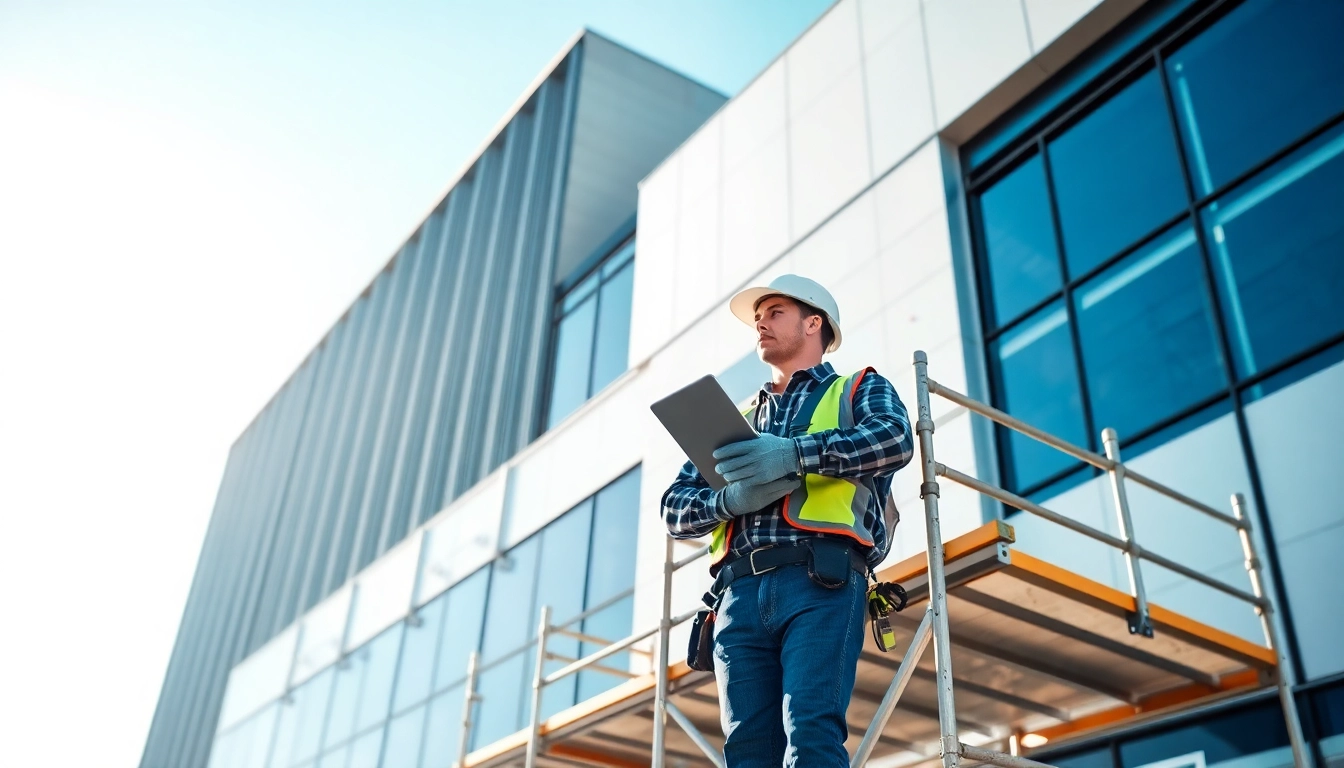
Understanding Commercial Roofing
When it comes to commercial roofing, businesses often seek durability and reliability. Commercial roofing is essential for safeguarding business premises from the elements and maintaining a professional appearance. This comprehensive guide will delve into the various aspects of commercial roofing, including types, costs, maintenance, and why selecting a professional service is paramount.
What is Commercial Roofing?
Commercial roofing refers to roofing systems specifically designed for commercial properties such as office buildings, retail storefronts, warehouses, and industrial facilities. Unlike residential roofing, commercial roofing often requires unique materials and construction techniques to accommodate larger structures and varied load-bearing requirements. Commercial roofs can range from flat to sloped, each bringing different construction techniques and materials into play.
Importance of Quality Commercial Roofing
A high-quality roofing system is vital for protecting the internal environment of commercial spaces. A well-installed roof acts as a barrier against severe weather conditions, prevents energy loss, and keeps the structure aesthetically appealing. Moreover, roofing systems contribute significantly to energy efficiency, potentially reducing heating and cooling costs significantly over time.
Types of Commercial Roofing Systems
There are several types of commercial roofing systems, each with its unique characteristics:
- Flat Roofing: Commonly used in commercial buildings, flat roofs are easier to access and maintain.
- Low-Slope Roofing: Similar to flat roofs, low-slope roofs are designed with a slight pitch and are more prone to water accumulation without proper drainage.
- Sloped Roofing: More common in industrial settings, sloped roofs facilitate water runoff and are often made from materials like metal, asphalt shingles, or tiles.
- Built-Up Roofing (BUR): This system consists of multiple layers of roofing felt and asphalt, providing a durable and weather-resistant surface.
- Single-Ply Roofing: These systems include membranes made from TPO or PVC, which offer lightweight, flexible options for flat roofs.
- Metal Roofing: Known for its longevity and resistance to harsh weather, metal roofing is increasingly popular for commercial buildings due to its reflective properties.
Key Factors Affecting Commercial Roofing Costs
Material Choices and Pricing
The cost of commercial roofing is heavily influenced by the types of materials chosen. Quality materials often come with a higher initial price tag but can result in lower maintenance and replacement costs over time. Common materials include:
- Asphalt Shingles: Cost-effective but may require more frequent replacements.
- Metal: Higher upfront costs but offers durability and energy savings.
- TPO: Offers high thermal efficiency at a mid-range price point.
Labor Costs and Installation Factors
Labor costs can vary based on the complexity of the roofing system, accessibility of the building, and local market rates. Skilled labor is essential for ensuring proper installation, which can protect against leaks and warranty issues in the future. Engaging experienced contractors often results in fewer long-term costs due to quality work and minimal errors.
Maintenance and Long-term Investment
Consider roofing maintenance as part of the overall investment in a business property. Regular inspections and maintenance can enhance the lifespan of a roof, minimize repair costs, and prevent costly premature replacements. Many businesses opt for maintenance contracts that include routine checks, ensuring the roof remains in optimal condition and compliant with local codes.
Benefits of Professional Commercial Roofing Services
Expert Evaluation and Recommendations
Working with professional roofing services ensures that experts evaluate the specific needs of a building. They can recommend suitable materials that align with the building’s architecture, climate, and budget. This expertise helps businesses avoid common pitfalls, such as selecting inappropriate roofing materials.
High-Quality Materials and Installation
Professional roofers often have access to higher-grade materials and advanced installation techniques not readily available to DIY enthusiasts. Their experience allows for better choices in material and methods, contributing to longer-lasting roofs.
Warranty and Support Services
Quality commercial roofing services typically offer warranties on both materials and labor, which can provide peace of mind and financial protection. In the event of issues, professional services can provide the necessary support, including repairs or replacements under warranty conditions.
Common Challenges in Commercial Roofing Projects
Weather Impacts on Roofing
Weather conditions significantly affect roofing projects. Extreme temperatures can hinder material application, and storms can lead to added costs for damage or delayed project timelines. Understanding local climate patterns helps in planning the best times for installation to reduce risks.
Regulatory Compliance and Inspections
Commercial roofing must adhere to local building codes and regulations. Failing to comply can lead to fines, costly alterations, and complications when selling the property. Engaging professionals familiar with local regulations can streamline this process.
Choosing the Right Contractor
Selecting a reputable contractor is crucial for a successful roofing project. A well-reviewed company not only has the necessary experience but also aligns with best safety practices and quality assurance measures. Seeking references and reviews can assist in identifying trustworthy contractors.
FAQs About Commercial Roofing
How long does a commercial roof last?
The lifespan of a commercial roof varies depending on the material, climate, and maintenance but generally ranges from 15 to 50 years.
What are the most common materials used in commercial roofing?
Common materials for commercial roofing include TPO, EPDM, modified bitumen, metal, and asphalt shingles, chosen for their durability and efficiency.
Can commercial roofs be repaired instead of replaced?
Yes, many commercial roofs can be repaired if the damage is minimal. Repairing is often more cost-effective than a full replacement.
What is the best time of year for commercial roofing projects?
Generally, spring and fall are ideal for commercial roofing, as the weather tends to be milder, reducing risks associated with extreme temperatures.
How can I ensure my commercial roof is properly maintained?
Regular inspections, prompt repairs, and clear drainage pathways will help maintain the integrity of a commercial roof and prolong its lifespan.