A freshly painted wall can make an entire room feel brighter and more polished, but the quality of that finish is decided long before the paint reaches the surface. Wall preparation determines how evenly finishing materials spread, how well paint adheres, and how effectively the surface withstands everyday wear. Whether a renovation involves putty on wall surfaces or preparation for a completely new interior, small mistakes during this stage can create visible problems later.
A wall may look acceptable before painting and still contain dust, uneven patches, moisture, or tiny cracks that eventually affect the finished surface. Understanding these common preparation mistakes helps homeowners, contractors, and applicators avoid unnecessary repairs and achieve a smoother, more durable result.
Ignoring The Condition of The Existing Wall
One of the first mistakes is assuming that every wall is ready for finishing simply because it appears reasonably clean.
Existing walls can contain loose plaster, old paint, grease, dust, hairline cracks, or areas weakened by previous moisture exposure. Applying finishing material directly over these defects can trap problems beneath the new surface.
A careful inspection should therefore come before any application. Loose sections need to be removed, cracks should be assessed, and damaged areas must be repaired. This creates a stable foundation for subsequent finishing work.
Applying Material Over Dust And Dirt
Dust may seem harmless, but it can seriously affect adhesion. Fine particles create a thin layer between the wall and finishing material, preventing proper contact with the substrate.
Construction areas naturally accumulate dust from drilling, sanding, plastering, and other activities. If this residue is not removed, the finishing layer may bond unevenly and eventually begin to flake or detach. This is particularly important when applying wall care putty, as proper surface contact supports a smoother and more durable finish.
The surface should be cleaned thoroughly before application. Depending on the wall condition, professionals may use suitable cleaning methods to remove loose particles and allow the surface to dry appropriately.
Overlooking Moisture Problems
Moisture is another issue that should never be hidden beneath a fresh finishing layer. Damp patches may come from plumbing leaks, external water penetration, condensation, or inadequate waterproofing.
Covering a damp area with finishing material does not solve the underlying problem. Instead, trapped moisture can lead to bubbling, discoloration, peeling, and deterioration.
Before beginning preparation, walls should be checked for signs of dampness. The source of moisture must be addressed, and the surface should be allowed to reach suitable conditions before further work begins.
Using The Wrong Preparation Material
Different walls can have different requirements. A material that works effectively on one surface may not be appropriate for another.
Professionals consider the substrate, environmental conditions, intended finish, and application requirements before selecting a suitable product. Choosing materials solely because they are inexpensive can lead to poor workability or reduced durability.
The goal should be to select a product that provides the required adhesion, smoothness, and surface performance. When comparing putty for walls, it is useful to consider application characteristics and long-term performance alongside the initial purchase cost.
Applying Excessively Thick Layers
More material does not necessarily mean a better finish. Applying an excessively thick layer in an attempt to correct uneven walls can create drying and cracking problems.
Finishing materials are generally intended to be applied within recommended thickness ranges. When these guidelines are ignored, moisture may remain trapped within the layer, causing uneven drying or surface defects.
Deep imperfections should usually be corrected through appropriate repair methods rather than trying to hide everything beneath a thick finishing coat.
Skipping Adequate Drying Time
Time is an important part of wall preparation. In an effort to finish projects quickly, workers sometimes apply another layer before the previous one has dried adequately.
This can affect bonding and create moisture-related problems between layers. The final surface may eventually develop cracks, uneven patches, or peeling.
Each stage should be allowed sufficient time according to the material requirements and surrounding environmental conditions. Temperature, humidity, ventilation, and substrate condition can all influence drying. Patience during preparation often saves considerable time that would otherwise be spent correcting defects.
Neglecting Uneven Surface Areas
A wall can appear flat from a distance while still containing small depressions, raised areas, or irregular textures. These imperfections become much more noticeable once paint is applied, especially under strong lighting.
Proper leveling helps create a consistent surface that reflects light evenly. Applicators should inspect walls from different angles and use appropriate tools to identify areas that require additional attention.
Trying to achieve a perfectly smooth result without addressing the underlying unevenness usually produces disappointing results. Surface correction should therefore be treated as a core part of preparation rather than an optional finishing touch.
Rushing The Sanding Process
Sanding is often treated as a minor task, but it has a major influence on the final texture. Insufficient sanding can leave ridges and marks, while excessive sanding can remove too much material and create uneven areas.
The objective is to create a smooth transition between repaired sections and the surrounding wall. Sanding should be performed carefully and followed by proper dust removal before the next stage begins.
Good sanding technique is particularly important when the final paint has a smooth or glossy appearance because imperfections become easier to notice under reflected light.
Conclusion
A smooth wall finish is the result of careful preparation rather than paint alone. Ignoring surface defects, applying materials over dust or moisture, using unsuitable products, creating excessively thick layers, and rushing drying or sanding can all compromise the final result.
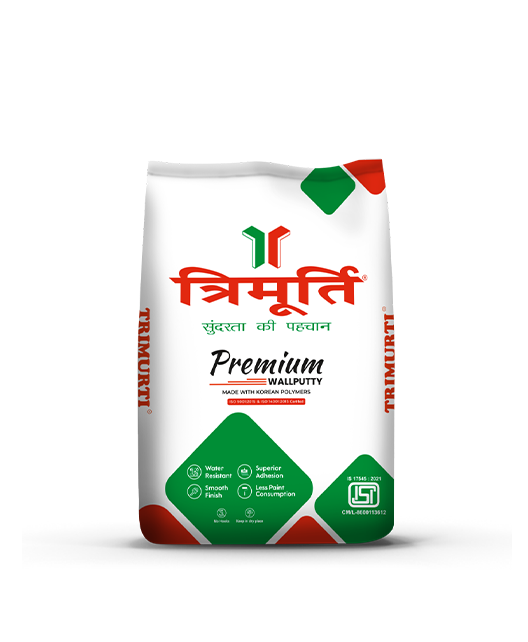
Understanding these nine common preparation mistakes allows construction professionals and homeowners to approach wall finishing more carefully. Proper inspection, suitable materials, controlled application, and adequate drying time create a stronger foundation for attractive and durable surfaces. Considering factors such as Trimurti putty price alongside product quality can also help in making practical and cost-effective material decisions.
With attention to these details and reliable finishing solutions, Trimurti Products can be considered as part of a thoughtful approach to achieving consistent wall preparation and dependable finishing results.