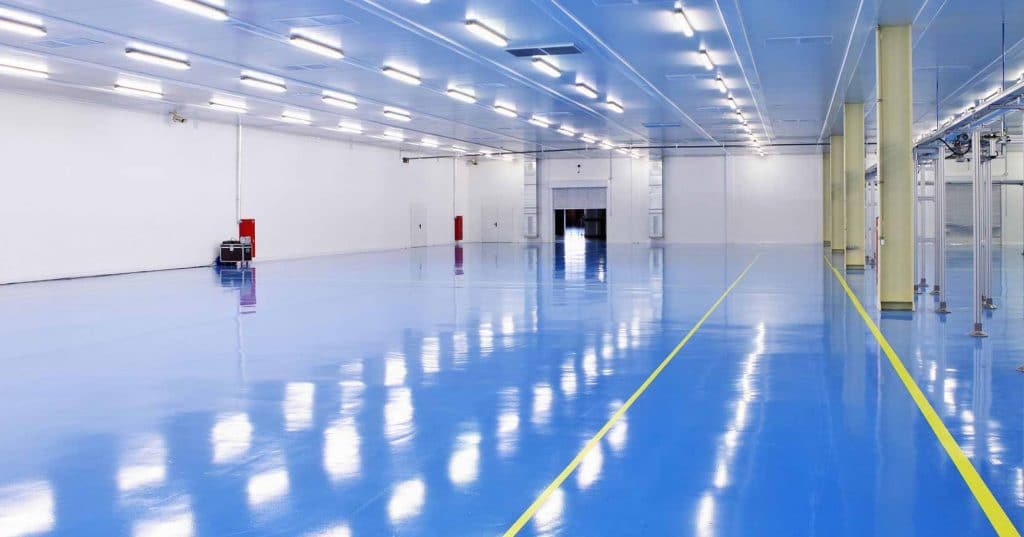
Warehouse floor coating systems are no longer just a finishing touch, they are a critical infrastructure investment that directly impacts safety, efficiency, and long-term operational costs. Modern warehouse floor coating systems are engineered to handle heavy machinery traffic, chemical exposure, and constant abrasion, making them essential for logistics hubs, manufacturing plants, and commercial storage facilities. As industrial demands increase in 2026, choosing the right system can determine whether a facility thrives or struggles with maintenance downtime.
This guide explores how advanced coating technologies are transforming warehouse performance and what decision-makers should know before investing.
Why Warehouse Floor Coating Systems Matter in 2026
Today’s warehouses operate under more pressure than ever. Faster fulfillment cycles, automated equipment, and heavier inventory loads require flooring that can withstand extreme conditions without breaking down.
High-performance warehouse floor coating systems help businesses:
- Reduce slip and fall incidents in high-traffic zones
- Prevent concrete deterioration from chemicals and moisture
- Support forklift and pallet jack movement without surface damage
- Improve lighting efficiency through reflective coatings
- Lower long-term repair and maintenance costs
In 2026, facility managers are prioritizing durability and lifecycle cost savings over short-term installation pricing. This shift is driving demand for advanced industrial coatings designed for performance, not just appearance.
Types of Warehouse Floor Coating Systems
Selecting the right system depends on usage, environment, and operational intensity. Below are the most widely used solutions in modern industrial settings.
Epoxy Coatings
Epoxy remains one of the most common warehouse flooring solutions due to its strength and affordability. It bonds directly to concrete, creating a hard, durable surface.
Key advantages:
- High compressive strength for heavy equipment
- Resistance to oils, grease, and chemicals
- Smooth, easy-to-clean surface
However, epoxy may yellow under UV exposure and can become brittle in extreme temperature shifts.
Polyurethane Coatings
Polyurethane coatings offer superior flexibility compared to epoxy. They are ideal for warehouses with temperature fluctuations or outdoor exposure.
Benefits include:
- Excellent impact resistance
- UV stability for bright environments
- Better flexibility to prevent cracking
Polyaspartic Systems
Polyaspartic coatings are gaining popularity in 2026 due to their fast curing times and long-term durability. Many facilities choose them for minimal downtime installation.
Advantages:
- Rapid installation with minimal disruption
- High resistance to abrasion and chemicals
- Long-lasting gloss retention
Each of these warehouse floor coating systems offers unique strengths, and in many cases, hybrid systems are used for optimal performance.
Key Benefits of Advanced Warehouse Floor Coating Systems
Investing in professional-grade flooring provides measurable advantages beyond aesthetics.
1. Enhanced Safety Standards
Slippery or cracked flooring is one of the leading causes of warehouse accidents. Coating systems can be customized with anti-slip additives to improve traction in both dry and wet conditions.
2. Improved Operational Efficiency
Smooth flooring allows forklifts and automated systems to move more efficiently, reducing wear on equipment and improving workflow speed.
3. Extended Floor Lifespan
Concrete alone is vulnerable to cracking and dusting. Protective coatings seal the surface, significantly extending its usable lifespan.
4. Chemical and Stain Resistance
Industrial environments often involve exposure to oils, solvents, and cleaning agents. High-quality coatings prevent absorption and permanent staining.
5. Reduced Maintenance Costs
With fewer repairs and easier cleaning requirements, facilities can allocate resources more efficiently across operations.
How to Choose the Right Warehouse Floor Coating System
Not all systems are created equal. Selecting the right solution requires a careful assessment of facility needs.
Evaluate Traffic Load
High forklift traffic or heavy pallet movement requires thicker, impact-resistant coatings like epoxy or polyaspartic systems.
Consider Environmental Conditions
Temperature fluctuations, humidity, and UV exposure all influence coating performance. Polyurethane systems often perform best in variable climates.
Identify Chemical Exposure Risks
Warehouses storing chemicals or automotive materials need coatings with high resistance to corrosion and spills.
Plan for Downtime
If operations cannot pause for long, fast-curing systems like polyaspartic coatings may be the best choice.
Think Long-Term ROI
While upfront costs vary, the most cost-effective system is the one that minimizes repairs and replacements over time.
Installation Process Overview
Professional installation is critical for performance. Even the best materials will fail if improperly applied.
A standard installation process includes:
- Surface Preparation – Grinding or shot blasting to ensure proper adhesion
- Repair Work – Filling cracks, joints, and damaged areas
- Primer Application – Enhances bonding between concrete and coating
- Base Coat Installation – Provides structural strength
- Topcoat Layer – Adds chemical resistance and finish durability
- Curing and Inspection – Ensures full performance before use
Proper preparation is often the most important stage, as it determines how well the coating bonds to the concrete surface.
Maintenance Best Practices
One of the major advantages of warehouse floor coating systems is their low maintenance requirements. However, routine care ensures maximum longevity.
Recommended practices include:
- Regular sweeping to remove abrasive debris
- Periodic mopping with pH-neutral cleaners
- Immediate cleanup of chemical spills
- Avoiding harsh acids or abrasive scrubbing tools
- Scheduling annual inspections for high-traffic zones
With consistent care, industrial coatings can last many years without major resurfacing.
Why Professional Installation Matters
The success of any warehouse floor coating system depends heavily on installation quality. Poor surface preparation or incorrect mixing ratios can lead to peeling, bubbling, or premature wear.
Working with experienced professionals ensures:
- Proper moisture testing before application
- Correct coating thickness for load demands
- Industry-grade materials tailored to facility needs
- Compliance with safety and durability standards
This is where expertise makes a significant difference in long-term performance.
Partnering with Industry Experts
For businesses seeking reliable, long-lasting flooring solutions, working with a trusted contractor is essential. Superior Garage Flooring specializes in high-performance industrial and commercial flooring systems designed for demanding environments.
Their team focuses on delivering tailored warehouse floor coating systems that balance durability, safety, and efficiency. From surface preparation to final coating, every stage is engineered to support long-term operational success.
Essential Insights Before You Decide
Warehouse infrastructure is evolving rapidly, and flooring is no longer an afterthought, it is a strategic asset. Modern warehouse floor coating systems provide a powerful combination of durability, safety, and cost efficiency that directly impacts business performance.
Whether upgrading an aging facility or designing a new logistics hub, investing in the right coating system can significantly improve productivity and reduce long-term maintenance burdens. By selecting the right materials and working with experienced professionals, warehouses can ensure their flooring supports growth for years to come.
Learn more here: superiorgarageusa.