Understanding Floor Crack Bug Removal
When it comes to maintaining a comfortable and safe living environment, addressing issues like floor cracks is essential. Not only can these cracks create aesthetic concerns, but they can also serve as gateways for various pests to invade your home. For effective floor crack bug removal, it’s vital to understand the underlying issues associated with cracks, the types of bugs that may invade through them, and how to address these issues thoroughly.
The Importance of Addressing Cracks
Cracks in your home’s flooring are more than a cosmetic flaw; they can compromise the integrity of your property. Gaps and fissures can lead to structural problems, increased energy costs, and ultimately, pest infestations. Bugs often look for damp and dark places to nest, and cracks provide a perfect entry point. By promptly addressing cracks and sealing them, you can significantly mitigate the risk of infestations, which adds to the overall habitability and safety of your home.
Common Bugs That Invade Through Cracks
Various pests can find their way through cracks in your floors, each bringing its unique set of problems. Here are some of the most common culprits:
- Ants: Carpenter ants, for example, can exploit cracks to access wood structures, leading to further damage.
- Cockroaches: Known for their resilience, cockroaches can squeeze through surprisingly small openings and thrive in damp environments.
- Termites: These wood-destroying insects can enter through floor cracks, making early detection crucial.
- Spiders: Often unnoticed, these arachnids can enter your home through cracks, creating webs and potentially alarming residents.
Signs You Need a Floor Crack Bug Removal
Knowing the signs of a bug infestation can help you take action early. Some indicators include:
- Finding insects or signs of insect activity around cracks.
- Noticing droppings or shed skins near floor cracks.
- Experiencing unusual sounds (like scuttling) coming from cracks.
- Seeing signs of damaged flooring or underlying structures.
Identifying the Types of Cracks
Minor vs. Major Cracks
Identifying the type of cracks in your flooring is essential for effective remediation. Minor cracks, often less than a quarter-inch wide, may only require sealing. In contrast, major cracks that exceed this size could indicate more serious structural issues and may necessitate expert assessment.
Common Areas for Cracks in Homes
Cracks tend to appear in specific areas of the house. Common locations include:
- Basements and crawl spaces, where moisture can undermine flooring.
- Entryways, commonly stressed by foot traffic.
- Near plumbing fixtures, where leaks can weaken the flooring material.
- Underneath heavy furniture, which can cause uneven pressure and cracking.
Assessing Potential Infestation Risks
To evaluate the risk of infestation, inspect the cracks for dampness, darkness, and nearby food sources. Bugs are drawn to moisture, so remediate any leaks where possible. Also, consider conducting a thorough inspection of your home, looking for signs of insulation problems or mold, which can further attract pests.
DIY Floor Crack Bug Removal Strategies
Cleaning and Sealing Cracks
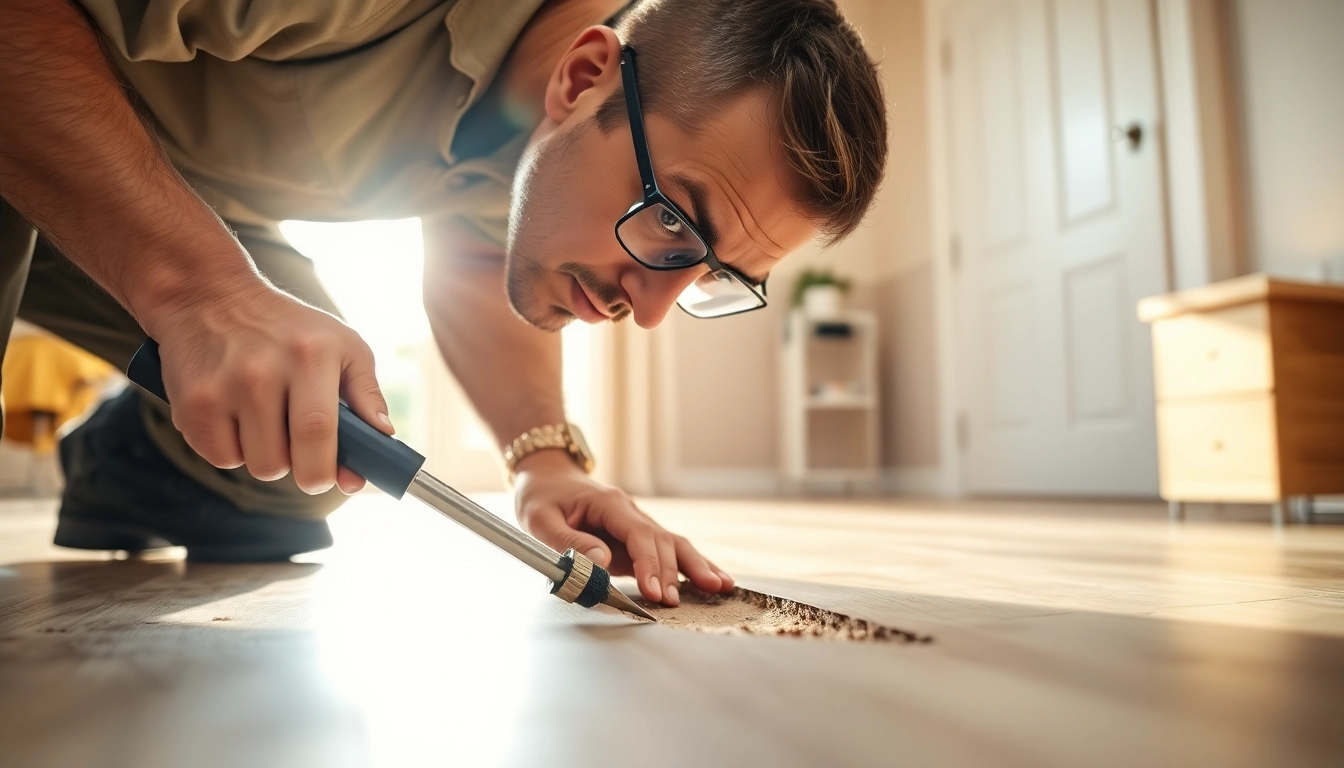
Before sealing cracks, it’s essential to clean them thoroughly. Use a vacuum to remove dust, dirt, and potential debris that bugs may use for shelter. After cleaning, apply a high-quality sealant to close the gaps. Make sure to follow the product’s instructions for the best results and avoid introducing any new moisture into the area.
Using Insecticides Effectively
For minor infestations, insecticides can be an effective tool in your bug removal arsenal. When using them, ensure to select products designed specifically for the types of bugs you are dealing with. Follow the instructions carefully and apply them in a way that targets the cracks while minimizing exposure to pets and family members.
Preventative Measures to Avoid Bugs
After you’ve removed any bugs and sealed the cracks, proactive measures are crucial. Consider installing moisture barriers, maintaining a clean home, and regularly inspecting flooring for new cracks. Ensure that your home is well-ventilated to discourage pests from nesting in cracks.
When to Seek Professional Help
Signs That DIY Isn’t Enough
Sometimes, DIY measures aren’t sufficient. If you notice persistent infestations, significant structural damage, or substantial cracking, it’s time to call in professionals. Additionally, if you’re unsure about the types of bugs or the severity of the infestation, a pest control expert can provide the precise guidance you need.
Choosing a Pest Control Service
Selecting the right pest control service is vital for thorough treatment. Look for licensed and insured companies that have positive reviews and offer comprehensive services. A good pest control service will also provide a customized plan addressing your specific needs.
What to Expect from Professionals
When you hire professionals, expect a full inspection of your home, including areas that may seem unrelated to the infestation. They will assess the situation, recommend treatment options, and follow up to ensure the problem is resolved. Transparency about methods and costs is also essential for a satisfactory experience.
Maintaining a Pest-Free Home After Treatment
Regular Inspection Practices
Continual inspections are key to maintaining a pest-free home. Inspect areas prone to moisture and regularly check for new cracks or signs of past infestations. Keeping track of any changes can help you spot problems before they escalate.
Keeping Your Floors Crack-Free
To prevent new cracks from forming, ensure proper flooring installation and maintenance. Address any water leaks promptly, and consider using dehumidifiers in areas prone to dampness. Regular cleaning to remove dirt and grime can also help maintain floor integrity.
Using Natural Remedies for Ongoing Prevention
In addition to conventional pest control methods, consider natural remedies. Essential oils, diatomaceous earth, and vinegar solutions can serve as effective deterrents for bugs. Regularly incorporating these into your home maintenance routine can help keep bugs at bay.
Frequently Asked Questions
1. How can I tell if my home has a pest infestation?
Signs of a pest infestation include droppings, shed skins, unusual noises, and visible insects near cracks or crevices.
2. Are there any natural remedies for pest control?
Yes, natural remedies like essential oils, vinegar, and diatomaceous earth can effectively deter pests without harsh chemicals.
3. How often should I inspect my floors for cracks?
Regular inspections should be conducted at least quarterly or whenever you notice signs of moisture or pest activity.
4. What are the consequences of ignoring floor cracks?
Ignoring floor cracks can lead to structural damage, increased pest infestations, and costly repairs down the line.
5. How can I prevent cracks from forming?
Prevent cracks by ensuring a dry environment, maintaining proper drainage, and addressing foundation issues proactively.