
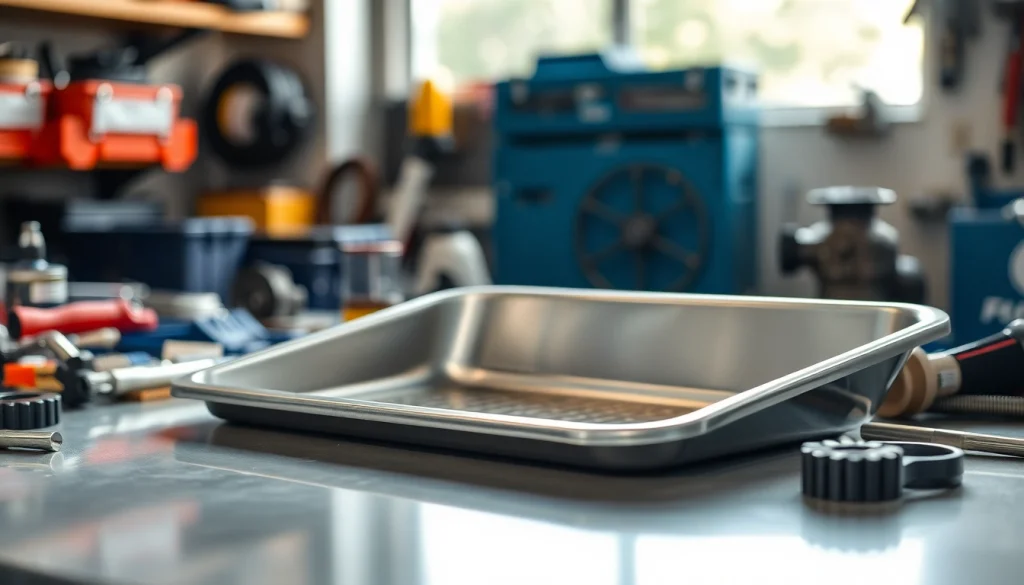
Introduction to Oil Drain Pan
When it comes to vehicle maintenance, changing oil is one of the most critical tasks every car owner should master. However, handling this task effectively requires the right tools, one of which is the Oil Drain Pan. This indispensable tool not only facilitates a clean oil change but also ensures that used oil is collected and disposed of responsibly. In this comprehensive guide, we will explore the importance, types, and effective use of oil drain pans, along with key factors to consider when purchasing one.
What is an Oil Drain Pan?
An oil drain pan is a container designed to collect oil when it is drained from a vehicle’s engine. Usually made from durable materials, these pans come in various shapes and sizes to accommodate different types of vehicles and engines. They are essential for any DIY mechanic or car enthusiast, providing a controlled way to manage waste oil.
Importance of Owning an Oil Drain Pan
Owning an oil drain pan is crucial for several reasons:
- Environmental Responsibility: Properly disposing of used oil prevents environmental contamination.
- Cost-Effective: Performing your own oil changes helps save on maintenance costs.
- Convenience: Having the right tools at home means you can change your oil whenever necessary without delays.
Common Types of Oil Drain Pans
There are several types of oil drain pans available, each catering to specific needs:
- Conventional Oil Drain Pan: Simple and effective, designed for small oil changes.
- Low-Profile Oil Drain Pan: Perfect for vehicles with low ground clearance.
- Funnel-Designed Oil Drain Pan: Ideal for pouring oil with minimal spills.
- Electric Oil Drain Pan: Equipped with a pump for faster oil removal.
Factors to Consider When Buying Oil Drain Pan
Choosing the right oil drain pan is essential for effective oil changes. Here are crucial factors to consider:
Size and Capacity Requirements
When selecting an oil drain pan, the size and capacity are paramount. Most small to mid-sized vehicles can be serviced with a 5 to 7-quart capacity pan. However, if you own larger vehicles or perform frequent oil changes, consider pans with higher capacities. The size should also fit comfortably beneath your vehicle to prevent spills while draining.
Material Choices and Their Benefits
Oil drain pans are typically made from plastic, metal, or composite materials. Each material offers distinct advantages:
- Plastic: Lightweight, affordable, and resistant to rust; ideal for occasional use.
- Metal: More durable and heat resistant; preferred for heavy-duty applications.
- Composite: Combines the best of both worlds; offers durability without excessive weight.
Design Features to Look For
Certain design features can enhance the functionality of an oil drain pan:
- Spout Design: A spout makes it easier to pour out the oil without making a mess.
- Non-Slip Grip: Ensures secure handling even when the pan is full.
- Integrated Drain Plug: Allows for easy disposal without needing to tilt the pan.
How to Use an Oil Drain Pan Effectively
Using an oil drain pan properly can enhance your oil change experience. Here’s how to do it effectively:
Steps for Safe Oil Changing
- Preparation: Gather all necessary tools, including gloves and rags.
- Lift the Vehicle: Use a jack and jack stands for safety.
- Locate the Drain Plug: Identify the oil drain plug beneath your engine.
- Position the Oil Drain Pan: Place the pan beneath the drain plug.
- Drain the Oil: Open the drain plug, allowing oil to flow into the pan.
- Replace the Plug: Once drained, secure the drain plug back in place.
Best Practices for Clean Handling
Maintaining cleanliness during oil changes involves several best practices:
- Always wear gloves to protect your hands from oil.
- Utilize rags to wipe up any spills promptly.
- Ensure the oil drain pan is stable and secured before draining to avoid spills.
Tips for Proper Disposal of Used Oil
Used oil is classified as hazardous waste. Follow these tips for proper disposal:
- Do not pour used oil down the drain or onto the ground.
- Store used oil in closed, labeled containers.
- Take used oil to certified recycling centers or oil change facilities that accept waste oil.
Maintenance Tips for Your Oil Drain Pan
Maintaining your oil drain pan extends its lifespan and ensures effective use. Here are some tips:
Cleaning and Storing Your Oil Drain Pan
After each use, thoroughly clean your oil drain pan:
- Drain any residual oil and wipe with a rag.
- Wash with soap and water to remove any oil residues.
- Store in a dry place to prevent rust or microbial growth.
Avoiding Common Damage Risks
To avoid damaging your oil drain pan:
- Do not leave it exposed to extreme temperatures or direct sunlight.
- Avoid dropping or hitting the pan against hard surfaces.
Signs that Your Oil Drain Pan Needs Replacement
Be vigilant for signs that your oil drain pan may be failing:
- Cracks or leaks indicate immediate replacement needed.
- A bent or distorted shape can hinder functionality.
Conclusion and FAQs about Oil Drain Pan
Choosing the right oil drain pan helps ensure effective oil changes and promotes a cleaner environment. Be mindful of the various factors influencing your choice, and maintain your pan for optimal performance.
Frequently Asked Questions
1. How often should I change my oil?
Typically, every 3,000 to 7,500 miles, depending on your vehicle and oil type.
2. Can I reuse my oil drain pan?
Yes, but ensure it’s thoroughly cleaned after each use to prevent contamination.
3. What should I do if my pan is leaking?
Inspect for cracks; if found, it’s advisable to replace the pan to avoid spills.
4. Are electric oil drain pans worth it?
Yes, they can save time and reduce effort during oil changes, especially for large jobs.
5. Can I store used oil in a plastic bottle?
No, use proper containers designed for oil storage to avoid leaks and environmental hazards.
Summary of Key Points in Oil Drain Pan Selection
When selecting an oil drain pan, consider the size, material, and design features that best fit your needs. Proper usage and maintenance can greatly enhance your vehicle’s oil change experience.
Resources for Further Learning
For those looking for more information on vehicle maintenance and the right tools for the job, educational resources such as automotive repair manuals, online forums, and professional courses are excellent ways to enhance your knowledge.