
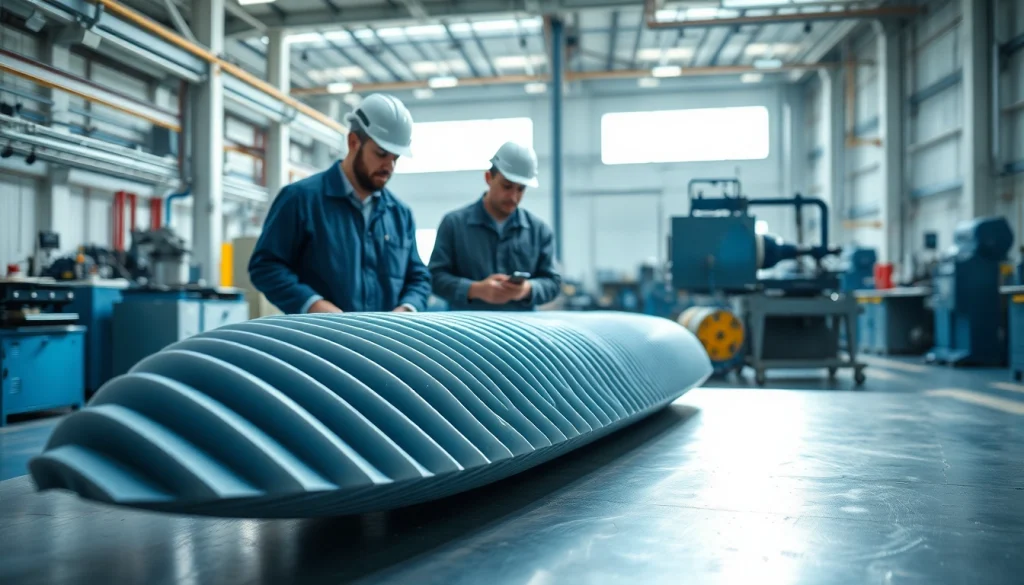
Understanding GRP Manufacturing Processes
What is GRP?
Glass Reinforced Plastic (GRP), also known as fiberglass, is a composite material made from a polymer matrix reinforced with glass fibers. This versatile material boasts a unique combination of strength, lightweight properties, and corrosion resistance, making it popular across various industries. GRP is used for applications ranging from automotive parts to building materials, showcasing its adaptability. As a GRP Manufacturer, understanding the nuances of GRP is crucial to producing high-quality, durable products.
Key GRP Manufacturing Techniques
The manufacturing of GRP involves several techniques, each tailored to specific applications and requirements. Some of the most prominent methods include:
- Hand Lay-Up: This traditional method involves manually placing the fiber layers onto a mold and saturating them with resin. It’s cost-effective for low-volume production and requires skilled labor.
- Spray-Up: A more automated process where resin and chopped fibers are sprayed onto a mold. This method speeds up production and is ideal for larger components.
- Filament Winding: In this technique, continuous strands of fiber are wound around a mold to create hollow shapes. It’s highly efficient for producing pipes and tanks.
- Resin Transfer Molding (RTM): A closed-mold process where resin is injected into a mold filled with fiber reinforcement. This technique ensures a consistent product quality and is suitable for intricate designs.
Benefits of GRP Manufacturing
GRP offers several advantages that make it a preferred choice in numerous applications:
- Lightweight: GRP is significantly lighter than metals, which reduces transportation costs and makes it easier to handle during installation.
- Corrosion Resistance: Unlike metals, GRP does not corrode when exposed to chemicals or moisture, prolonging the lifespan of products.
- Design Flexibility: The material can be molded into complex shapes and patterns, providing designers with endless possibilities.
- Low Maintenance: GRP requires little upkeep, resulting in lower maintenance costs over time.
Characteristics of a Reliable GRP Manufacturer
Quality Assurance Standards
A reliable GRP manufacturer adheres to strict quality assurance standards throughout the production process. This includes conforming to recognized industry certifications and conducting regular inspections of raw materials and finished products. Processes should be documented and transparent, allowing for traceability and accountability. By maintaining high-quality standards, a manufacturer ensures that their products meet the performance expectations of their clients.
Certifications to Look For
Certifications serve as a testament to a manufacturer’s commitment to quality and compliance with industry standards. Common certifications for GRP manufacturers include:
- ISO 9001: Signifies a commitment to quality management systems.
- ISO 14001: Demonstrates an effective environmental management system.
- ISO 45001: Reflects adherence to occupational health and safety management.
Checking for these certifications can help customers ensure they are partnering with a trustworthy provider.
Industry Experience and Expertise
Experience within the GRP industry can drastically influence the manufacturer’s ability to produce high-quality products. Those with extensive backgrounds understand industry challenges and trends, allowing them to anticipate customers’ needs better. Furthermore, an experienced manufacturer is more likely to have robust connections with suppliers and access to advanced technologies, ensuring efficient production processes and superior product quality.
Evaluating GRP Manufacturers: Key Considerations
Cost vs Value Analysis
When evaluating potential GRP manufacturers, it’s important to perform a comprehensive cost vs value analysis. While initial pricing is a critical factor, it’s essential to consider the overall value that the manufacturer provides. This includes product durability, expected lifespan, after-sales support, and warranties. Choosing the cheapest option may lead to higher long-term costs due to premature failures or replacements. Therefore, prioritize the quality and performance of the products over mere cost.
Customer Reviews and Testimonials
Customer feedback is invaluable when assessing the reliability and performance of a GRP manufacturer. Genuine testimonials can provide insights into the client’s experience, product satisfaction, and the manufacturer’s responsiveness to issues. It’s essential to look for patterns in reviews, focusing on consistent praise or criticism that may uncover potential strengths or weaknesses within the manufacturer’s offerings.
Project Portfolio Review
A thorough examination of a manufacturer’s project portfolio can shed light on their capabilities and expertise. Reviewing previous projects highlights the types of applications the manufacturer specializes in and their ability to meet client specifications. Look for diversity in their portfolio, which indicates versatility and a competency in handling various challenges across different industries.
Common Applications of GRP Products
Industrial Uses
GRP products find extensive applications in various industries, including aerospace, automotive, and marine. In the aerospace sector, lightweight structures made of GRP contribute to fuel efficiency. Similarly, in automotive manufacturing, components such as body panels and structural elements are produced with GRP to enhance performance without adding significant weight. The marine industry utilizes GRP to construct boats and other vessels, owing to its resistance to corrosion and fatigue.
Consumer Goods
In the realm of consumer goods, GRP materials are employed in the production of high-performance sports equipment, such as surfboards and bicycles. These items benefit from GRP’s lightweight yet durable characteristics, which enhance user experience and overall performance. Additionally, GRP is commonly used in household items, offering aesthetic appeal along with functional advantages, such as in the manufacturing of sinks, bathtubs, and garden furniture.
Construction and Architecture
The construction and architectural industries leverage GRP in various capacities, including roofing, moulded gratings, and façade systems. Its ability to mimic the appearance of more expensive materials while maintaining lower costs makes it an attractive choice for builders and architects. Furthermore, the material’s lightweight property simplifies transportation and installation, reducing labor costs and construction time.
Future Trends in GRP Manufacturing
Sustainability in GRP Production
The future of GRP manufacturing is heavily leaning towards sustainability. As environmental concerns continue to rise, manufacturing processes are adapting to be more eco-friendly. Initiatives include using recycled materials and following greener production practices that limit emissions and waste. Sustainable GRP not only supports environmental goals but can also bolster a manufacturer’s reputation in a competitive market.
Technological Advancements
Emerging technologies are transforming GRP manufacturing. Innovations such as automated manufacturing processes and advancements in composite materials are enhancing production efficiency and product performance. Automation, including robotics, allows for consistency and scalability, while new layering techniques improve structural integrity and strength. These technological shifts will enable manufacturers to produce even more sophisticated GRP products.
Market Demand Forecasts
The demand for GRP products is expected to continue growing across various sectors driven by their versatility and performance characteristics. With increasing investments in infrastructure and a global shift towards lightweight, durable materials, manufacturers can anticipate a significant uptick in both domestic and international markets. However, staying ahead requires adaptability; manufacturers must be ready to meet evolving customer needs and industry standards through innovation and quality assurance.
FAQs About GRP Manufacturing
What is the lifespan of GRP products?
GRP products can last several decades when properly maintained, depending on the application and environmental conditions. Regular inspections can help prolong their lifespan.
Are GRP products eco-friendly?
While GRP manufacturing traditionally uses synthetic materials, there is a growing trend towards incorporating recycled materials, making it more sustainable and eco-friendly.
Is GRP suitable for outdoor use?
Yes, GRP is highly resistant to UV radiation, moisture, and corrosion, making it ideal for a wide range of outdoor applications.
Can GRP be recycled?
Recycling GRP is challenging due to its composite nature; however, technologies are evolving. Some companies are working on sustainable recycling methods.
What are the key properties of GRP?
Key properties of GRP include lightweight, high strength-to-weight ratio, corrosion resistance, and design flexibility, making it highly versatile.