Introduction to Railroad Construction
Overview of Railroad Construction
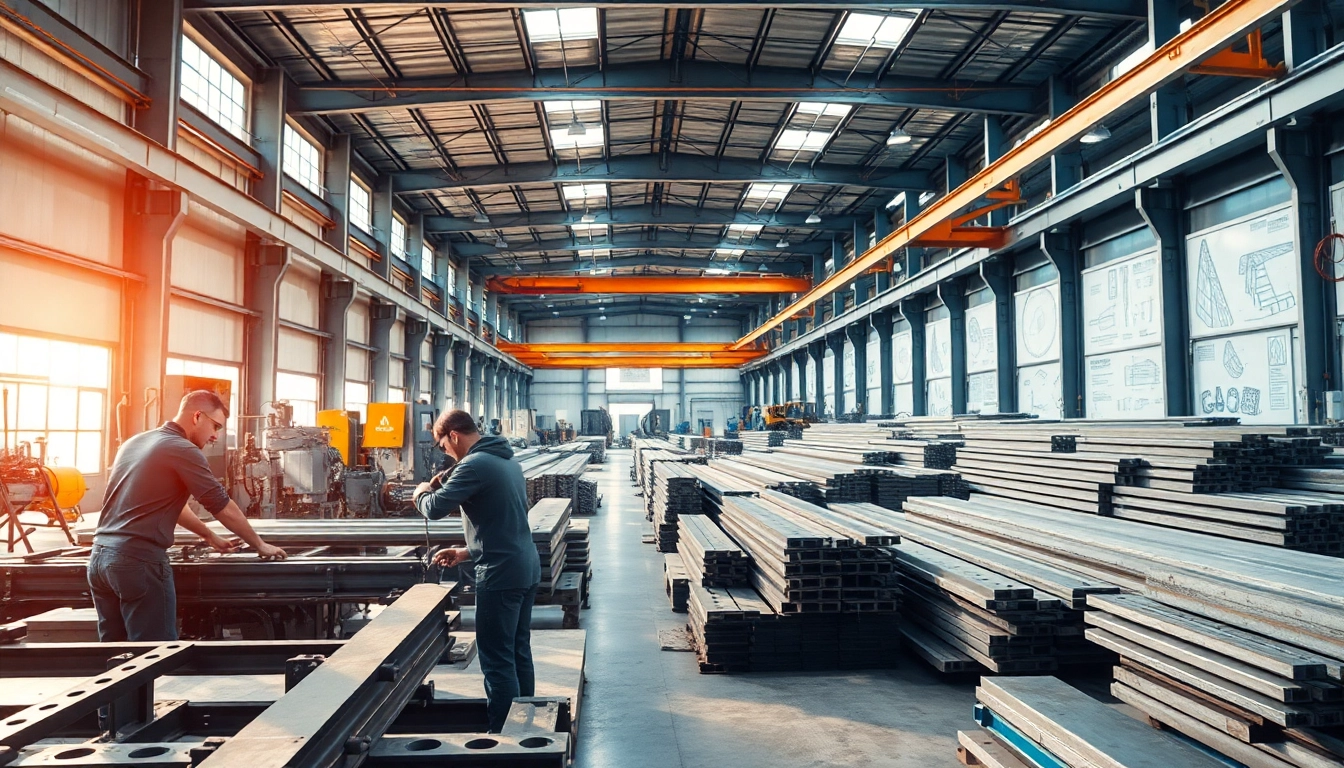
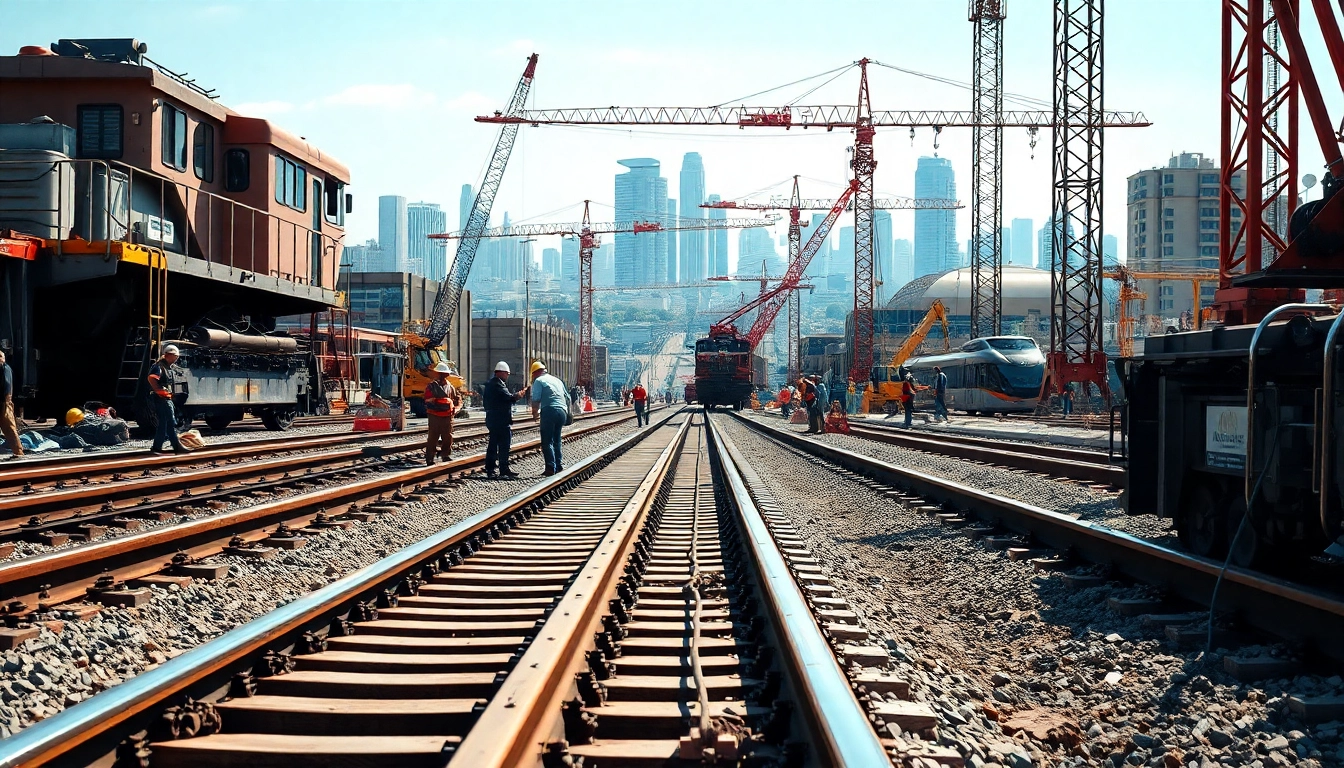
Railroad construction is a crucial aspect of infrastructure development, encompassing the designing, building, and maintaining of railways that facilitate movement of goods and passengers. The process involves various stages, from initial planning and surveying to laying tracks and installing signaling systems. The comprehensive nature of Railroad Construction ensures that it serves as a backbone for numerous economies, supporting both local and global trade initiatives.
Importance in Transportation Infrastructure
Efficient transportation infrastructure is vital for connecting markets, enhancing productivity, and fostering economic growth. Railroad construction plays a pivotal role in this context, offering advantages such as lower transportation costs and reduced greenhouse gas emissions compared to road transport. Rail networks enable faster movement of bulk goods, thus ensuring timely deliveries and maintaining supply chain integrity. As such, investing in railroad construction is synonymous with investing in the future of transportation.
Key Components of Railroad Construction
The key components of railroad construction include:
- Tracks: The rails and ties that form the physical path for trains.
- Stations: Facilities where passengers board and disembark, crucial for accessibility.
- Bridges and Tunnels: Essential structures for navigating geographical challenges.
- Signaling Systems: Technologies that ensure safe operation by controlling train movement.
- Maintenance Facilities: Infrastructure for the upkeep of rolling stock and other equipment.
Planning and Design in Railroad Construction
Site Assessment Procedures
Before commencing railroad construction, thorough site assessments are crucial. This includes evaluating geographic, environmental, and socio-economic factors. A detailed environmental impact study helps in understanding the potential effects on local ecosystems and communities. Moreover, surveys to assess the terrain allow engineers to strategize the most efficient route, minimizing the need for excessive grading and earthworks while ensuring safety and compliance with regulations.
Environmental Considerations
Environmental considerations play a significant role in railroad construction planning. With increasing awareness of environmental sustainability, developers must include measures that mitigate ecological disruption. Implementing proper drainage systems, using noise-reduction technologies, and selecting sustainable materials are examples of ways to minimize environmental impact. Moreover, adherence to local and national regulations regarding land use, wildlife protection, and pollution control establishes a responsible construction approach.
Designing Effective Rail Systems
Designing an effective rail system involves multi-disciplinary collaboration to ensure functionality, safety, and economic viability. Engineers apply advanced modeling software to design track layouts, analyze gradients, and simulate train dynamics. Additionally, community engagement during the design phase helps in addressing public concerns and integrating input that may enhance usability and acceptance of the rail system. Incorporating flexibility in design allows for future expansion or enhancement, adapting to evolving transportation needs.
Best Practices for Railroad Construction
Safety Protocols and Regulations
Safety is paramount in railroad construction. Adherence to protocols enforced by governing bodies ensures a safe working environment for crews and the public. Regular safety training, use of personal protective equipment (PPE), and rigorous safety audits are integral to maintaining high safety standards. The implementation of technological advancements such as automated hazard detection systems further enhances safety measures, minimizing risks during construction.
Utilization of Advanced Technology
Innovation in technology has revolutionized railroad construction. GPS and drones for surveying, geotechnical monitoring systems, and Building Information Modeling (BIM) facilitate precise project execution. These technologies allow for better planning and resource allocation, while real-time data collection can predict project timelines and enhance decision-making. Embracing these advancements leads not only to enhanced efficiency but also to improved safety and reduced costs.
Project Management Tips
Effective project management is vital for the successful completion of railroad construction projects. Utilizing project management frameworks and tools can enhance collaboration and ensure timelines remain on track. Clear communication channels among all stakeholders, from contractors to local authorities, foster an environment of transparency and accountability. Regular progress assessments and adaptive strategies pave the way for swift resolution of any emerging challenges, minimizing delays and budget overruns.
Challenges in Railroad Construction
Addressing Delays and Budget Overruns
Delays and budget overruns are common challenges in railroad construction. Effective planning and risk management strategies can mitigate these issues. Regular market analysis helps in forecasting costs accurately, while phased project implementation can ease budget constraints. Utilizing contingency funds for unforeseen circumstances and engaging with experienced contractors can further help manage financial risks, ensuring projects remain within their allocated budgets and timelines.
Overcoming Environmental Challenges
Construction projects often face environmental challenges that can delay progress and increase costs. Robust environmental assessments and adaptive project designs are essential for addressing these challenges. Engaging with local stakeholders during the planning stage cultivates goodwill, while innovative solutions, such as wildlife corridors and noise barriers, can be applied to minimize ecological disruption. Compliance with environmental regulations should also be prioritized to avoid legal setbacks.
Mitigating Labor Shortages
The railroad construction industry often experiences labor shortages due to an aging workforce and a lack of interest from younger generations. To mitigate this, companies should invest in workforce development initiatives that promote careers within the industry. Partnering with educational institutions to provide training programs can attract new talent. Moreover, incorporating modern technologies and equipment can streamline operations, making the job more appealing to potential recruits.
Future Trends in Railroad Construction
Sustainability in Rail Projects
The future of railroad construction hinges on sustainability. There is a pressing need to incorporate green practices into project planning and execution. This includes using sustainable materials, enhancing energy efficiency, and employing renewable energy sources for rail operations. Eco-friendly designs not only minimize carbon footprints but can also result in long-term cost savings, establishing the longevity and positive public perception of rail systems.
Emerging Technologies and Innovations
Emerging technologies are set to shape the future of railroad construction. Automation, such as autonomous trains and robotic maintenance systems, promises to enhance operational efficiency. Additionally, the Internet of Things (IoT) enables real-time monitoring of rail infrastructure, predicting maintenance needs and improving safety. Virtual and augmented reality are becoming potent tools for training and simulation, allowing teams to visualize complex projects before execution.
The Role of Government Policies
Government policies significantly influence railroad construction, impacting funding opportunities, regulatory frameworks, and safety standards. Supportive policies can foster investment in rail infrastructure, enabling comprehensive development plans. Additionally, public-private partnerships can leverage funding and expertise from the private sector, accelerating the implementation of critical rail projects. Engaging in policy dialogue ensures that industry needs are represented while adhering to necessary regulations.
Frequently Asked Questions (FAQs)
What is railroad construction?
Railroad construction refers to the process of designing, building, and maintaining railway infrastructure for transporting goods and passengers.
Why is railroad construction important?
It is vital for facilitating efficient transportation, enhancing economic growth, and reducing environmental impacts compared to road transport.
What challenges are faced in railroad construction?
Challenges include delays, budget overruns, environmental impacts, and labor shortages, all of which require effective management strategies.
How can technology benefit railroad construction?
Advanced technologies improve project efficiency, enhance safety, and facilitate better planning through data collection and analysis.
What is the future of railroad construction?
The future trends focus on sustainability, emerging technologies, and supportive government policies that advocate for railway infrastructure development.