
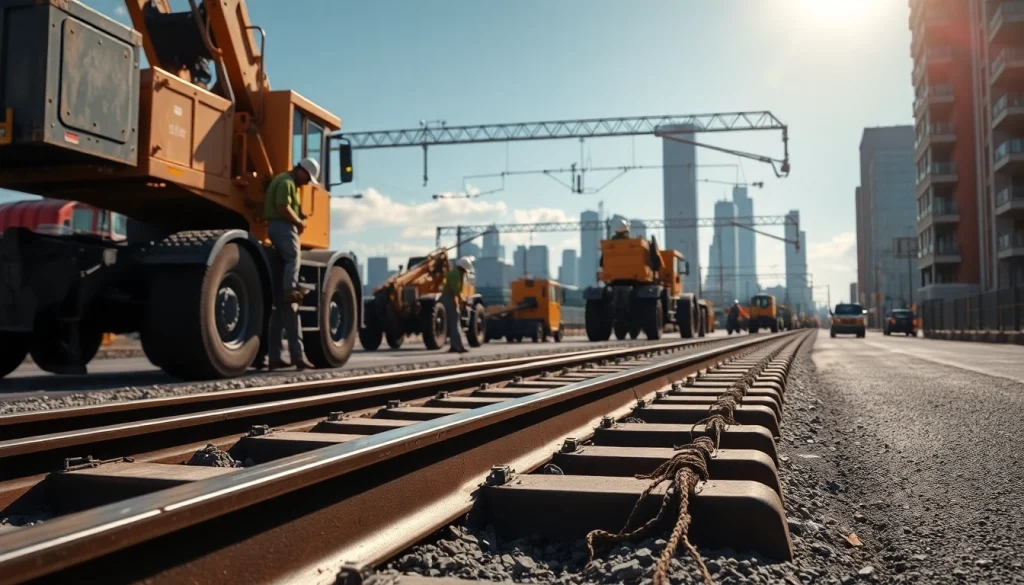
Understanding Railroad Construction
Definition and Importance
Railroad construction is a vital infrastructure endeavor that encompasses the design, building, and maintenance of railways, including tracks, bridges, and supporting systems. This field plays an essential role in national and global transportation networks, facilitating the movement of goods and passengers with efficiency and reliability. Effective Railroad Construction not only boosts economic activity but also reduces traffic congestion and carbon emissions by providing an alternative to road transport.
Key Components of Railroad Construction
The major components of railroad construction include:
- Tracks: The foundation for the rail system, consisting of rails and ties that guide the train wheels.
- Ties: Wooden or concrete supports that maintain the gauge of the track.
- Ballast: Crushed stone or gravel that stabilizes the tracks and allows for efficient drainage.
- Signaling Systems: Technologies that manage train traffic and ensure safety on the rail network.
- Infrastructure: Bridges, tunnels, and stations integral to supporting rail operations.
Historical Context and Evolution
Railroad construction has evolved significantly since the early 19th century when steam locomotives first became prevalent. Initially characterized by limited technology and resources, it has transformed with advancements such as electric and magnetic levitation trains. Historical milestones, such as the completion of transcontinental railroads, greatly impacted industrialization, shaping societies and economies across regions. Today, the focus is shifting towards updating aging infrastructure, ensuring safety, and improving efficiency through modern technological applications.
Planning for Successful Railroad Construction
Site Assessment and Surveys
Effective planning begins with comprehensive site assessments that gauge the geographical, environmental, and sociopolitical factors relevant to the construction project. Surveys should cover aspects such as soil stability, terrain type, existing infrastructure, and potential environmental impact. Advanced surveying technologies such as drones and GIS mapping are invaluable for collecting and analyzing data, facilitating informed decision-making at every stage of the project.
Regulatory Considerations
Compliance with federal, state, and local regulations is critical during railroad construction. This includes securing permits, conducting environmental assessments, and adhering to safety standards established by governing bodies. Engaging with regulatory agencies early in the planning process helps streamline approvals and mitigates risks of unforeseen delays or additional costs due to legal non-compliance.
Project Scheduling and Budgeting
Establishing a clear project schedule and budget is essential for successful railroad construction. This should involve detailed timelines that outline critical milestones, resource allocations, and budget limits. Modern project management tools, such as Gantt charts and software solutions, can enhance visibility into the project status, facilitating effective communication among stakeholders and ensuring adherence to deadlines and budget constraints.
Best Practices in Railroad Construction Methods
Modern Techniques for Track Laying
Advancements in technology have revolutionized track laying methodologies. Techniques such as continuous welded rail (CWR) and automated track alignment systems improve both speed and accuracy during installation. The use of specialized machinery, like rail laying machines and rail cranes, allows for quick setup while maintaining quality standards. Implementing modern techniques minimizes disruptions, optimizes labor, and reduces construction timeframes.
Material Selection and Durability
Selecting high-quality materials is critical for ensuring the longevity and safety of railway infrastructure. The choice of rails, ties, and ballast should consider factors such as local climate, expected traffic loads, and maintenance requirements. Rain-resistant materials and corrosion protection treatments can bolster durability, thus reducing long-term operational costs associated with maintenance and replacements.
Environmental Considerations
Modern railroad construction increasingly considers environmental sustainability. This involves minimizing disruptions to local ecosystems, managing runoff, reducing noise pollution, and preserving native flora and fauna. Initiatives can include using recycled materials, implementing erosion control measures, and following sustainable building practices that align with existing environmental regulations.
Common Challenges in Railroad Construction Projects
Weather-Related Delays
Adverse weather conditions pose a significant challenge in railroad construction. Extreme heat can cause rail expansion or track buckling, while heavy rain can contribute to flooding and erosion. To mitigate risks, robust contingency planning should be integrated into project management, with provisions for modified work schedules and materials that can withstand harsh weather.
Budget Overruns and Financial Management
Budget management is pivotal in railroad construction, where costs can easily escalate due to unforeseen factors like material price fluctuations or design changes. Regular financial reviews, contingency funds, and transparent communication among stakeholders are essential for ensuring projects remain within budget and for managing any financial discrepancies efficiently.
Safety Risks and Protocols
The construction site presents inherent safety risks, including machinery accidents and exposure to hazardous materials. Implementing stringent safety protocols, such as training programs and safety audits, can significantly reduce worksite incidents. Compliance with OSHA regulations and maintaining an open dialogue about safety concerns among workers fosters a culture of safety awareness.
Future Trends in Railroad Construction
Technological Innovations
Emerging technologies, such as artificial intelligence and machine learning, are set to revolutionize railroad construction. These innovations can enhance project efficiency through predictive maintenance, automated inspections, and data analysis that identifies potential issues before they escalate, promoting smarter project management and construction methodologies.
Sustainable Practices
Sustainability is becoming increasingly critical in the realm of railroad construction. The focus is shifting towards using eco-friendly materials, reducing waste through recycling, and employing energy-efficient construction practices. Transportation companies are investing in greener locomotive technologies, such as electric and hybrid trains, to minimize their carbon footprints.
Impact of Autonomous Systems
The advent of autonomous systems in transportation is also influencing railroad construction. Automated train operations can lead to more efficient scheduling and reduced labor costs, while robotic construction techniques can expedite processes such as track laying. Continuous research and development in this area promise to enhance safety and operational efficiency, reshaping the future landscape of railroad construction.
FAQs
What is railroad construction?
Railroad construction involves building and maintaining railway tracks, ensuring safety and efficiency to support transportation.
What are the major components of railroad construction?
Key components include tracks, ties, ballast, signaling systems, and associated infrastructure like bridges and tunnels.
How does weather affect railroad construction?
Extreme weather can cause delays due to safety concerns, material handling challenges, and environmental impact on project timelines.
What are the common challenges in railroad construction?
Challenges include budget overruns, securing permits, and adhering to safety regulations while meeting project deadlines.
What future trends are shaping railroad construction?
Emerging trends include the use of technology, sustainable materials, and innovations like autonomous trains impacting construction methods.