Understanding the Importance of Fly Fishing Waders
Fly fishing is not just a passion; it’s an experience that immerses anglers in nature, offering tranquility and the thrill of the catch. However, to enjoy this outdoor activity to its fullest, having the right gear is paramount. Among the essential items for any serious fly fisherman, fly fishing waders hold significant importance. These items serve to keep you dry and comfortable, enabling you to reach better fishing spots while protecting you from the elements.
What Are Fly Fishing Waders?
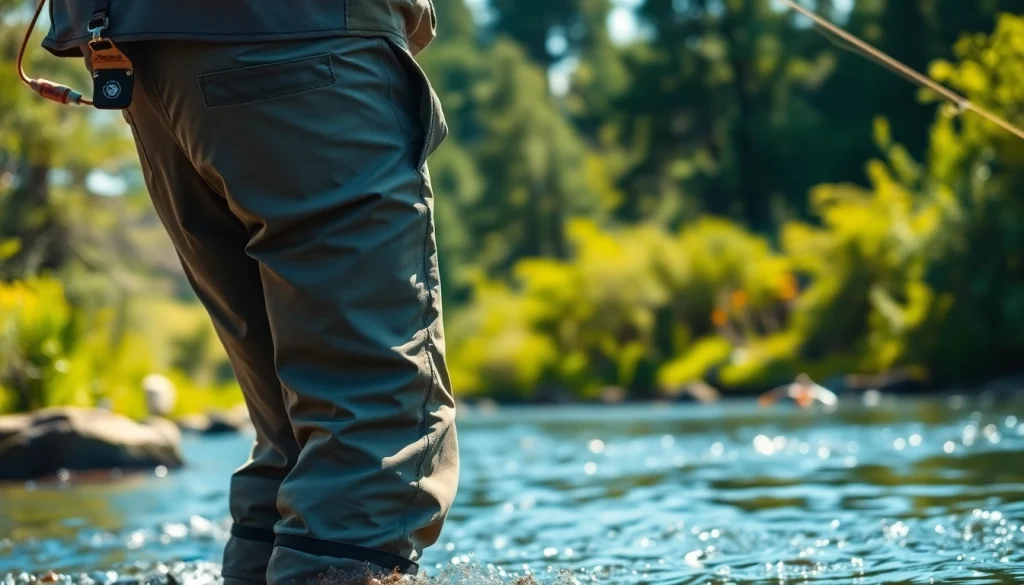
Fly fishing waders are waterproof garments worn by anglers to stay dry while wading through freshwater or saltwater environments. Typically made from durable materials, these waders come in various designs, including full-body, waist-high, and hip styles, tailored to suit different fishing conditions. Functioning as a barrier against cold water, mud, and debris, they allow for a more enjoyable fishing experience.
Benefits of Using Fly Fishing Waders
Using fly fishing waders not only enhances the fishing experience but also offers several specific advantages:
- Protection: Waders help shield against cold water and harsh weather, reducing the risk of hypothermia and exposure.
- Mobility: With waders, you can wade deeper into water, accessing areas that are not reachable from shore.
- Comfort: Modern waders are designed with comfort in mind, allowing for easy movement and reducing fatigue during long outings.
- Layering: They allow you to layer clothing beneath, providing additional insulation against lower temperatures.
Choosing the Right Material
When selecting fly fishing waders, material is one of the most critical factors to consider. Common materials include:
- Neoprene: Excellent for cold environments, neoprene provides insulation and keeps warmth trapped within. However, it can be less breathable.
- Breathable fabrics: These are great for warm weather, as they allow moisture to escape while keeping water out. Popular options include Gore-Tex and other proprietary waterproof-breathable membranes.
- Canvas and nylon: In some instances, thick canvas or nylon waders are beneficial for durability, though they may compromise comfort in extreme temperatures.
Types of Fly Fishing Waders Available
Chest Waders: Key Features and Uses
Chest waders are the most popular style among fly fishermen. They extend from the feet all the way up to the chest, providing excellent insulation and protection. Ideal for cold water fishing, chest waders offer spacious storage options and come equipped with adjustable straps for a snug fit. These features make them suitable for a variety of fishing environments, including rivers, lakes, and streams.
Hip Waders: When to Use Them
Hip waders are shorter than chest waders, reaching only to the thighs. They are particularly useful in shallow or warmer waters where full-body protection isn’t necessary. Ideal for marshland or grassy banks, hip waders offer ease of movement and can be less cumbersome than their longer counterparts. Because of their lighter weight, they are often favored by anglers who prefer a minimalist approach.
Convertible Waders: Versatility and Functionality
Convertible waders are a versatile option for anglers who fish in varied environments. Featuring removable top sections, these waders can be transformed from chest to waist waders. This dual functionality allows for adaptability in changing conditions, making them a practical choice for those who fish in differing climates and terrains. They combine the coverage of chest waders with the convenience of hip waders, ensuring comfort and flexibility.
Essential Features in Fly Fishing Waders
Waterproofing Technologies
Waterproofing is a defining characteristic of fly fishing waders, and advances in technology have significantly improved this aspect. Options vary from traditional rubber to modern breathable membranes. Look for waders with high hydrostatic head ratings, which indicate how much water pressure the material can withstand before water begins to seep through. Ensuring all seams are sealed or taped adds an additional layer of security against leaks.
Breathability and Comfort
Breathability is crucial, especially during longer fishing trips. Waders constructed with breathable fabrics enhance comfort by allowing sweat and excess moisture to escape while keeping water from entering. This feature helps regulate your body temperature, reducing the risk of overheating during warmer days or while engaging in high-energy activities like casting.
Pockets and Storage Solutions
Having ample storage in your fly fishing waders can make a significant difference in your fishing experience. Quality waders come equipped with multiple pockets, often waterproof, for storing tools, flies, and personal items. Some models include chest pockets or side compartments that allow easy access to essentials without the need for an additional tackle bag.
Maintenance Tips for Longevity of Fly Fishing Waders
Cleaning Procedures
Proper maintenance of your fly fishing waders is essential for ensuring their longevity. Cleaning should occur after each fishing trip, particularly after wading in muddy or brackish waters. Use gentle soap and warm water, avoiding harsh chemicals that could degrade materials. Rinse thoroughly and allow to air dry away from direct sunlight to prevent cracking and premature wear.
Storage Recommendations
How you store your waders can impact their lifespan. Make sure they are completely dry before storing, opting for a cool, dry place free from direct sunlight. Avoid folding them in ways that create creases, as this can lead to material failures over time. Some anglers choose to hang them, while others may store them flat to avoid stressing seams.
Repairing Common Issues
Even the best waders may suffer from punctures or tears. Understanding how to repair your waders can save you from costly replacements. For small holes, a patch kit with waterproof adhesive can provide a quick fix. For larger damages, consider professional repairs or consulting the manufacturer for recommendations on effective repair techniques.
FAQs about Fly Fishing Waders
What is the best material for fly fishing waders?
The best material depends on your fishing conditions; neoprene offers warmth, while breathable fabrics like Gore-Tex are ideal for warmer weather.
How do I care for my fly fishing waders?
Clean with mild soap, rinse thoroughly, dry completely, and store them in a cool, dark place when not in use to prolong their lifespan.
Are fly fishing waders waterproof?
Yes, high-quality fly fishing waders feature waterproof materials and sealing technologies designed to keep you dry in water during your fishing activities.
Can I wear fly fishing waders in cold weather?
Absolutely! Waders made from neoprene or insulated materials are perfect for cold weather, helping to keep your body warm and comfortable.
How should fly fishing waders fit?
Your fly fishing waders should fit comfortably without being too tight or loose. Allow for layering under them without restricting movement for casting and wading.