Understanding the Benefits of Vinyl Flooring
Vinyl flooring has gained significant popularity in recent years, primarily due to its unique blend of durability, affordability, and variety of designs. For homeowners looking for a stylish yet practical flooring option, vinyl flooring emerges as a compelling choice. This section delves into the numerous advantages that vinyl flooring offers, highlighting why it has become a top contender in the flooring market.
Durability and Longevity
One of the standout features of vinyl flooring is its durability. Designed to withstand heavy foot traffic, it is resistant to scratches, dents, and stains, making it ideal for both residential and commercial spaces. Most vinyl flooring products come with a wear layer that protects against daily wear and tear, ensuring that the flooring retains its aesthetic appeal for many years. With proper care, vinyl flooring can last anywhere from 10 to 20 years, providing a long-lasting solution for homeowners.
Cost-Effectiveness Compared to Other Flooring
When considering flooring options, cost is often a significant factor. Vinyl flooring typically comes at a lower price point compared to hardwood, tile, or carpet, without compromising on quality or style. The initial investment is supported by low maintenance costs, as vinyl requires minimal upkeep. This makes it an economically wise choice for budget-conscious homeowners or those looking to renovate their spaces without overspending.
Variety of Design Options Available
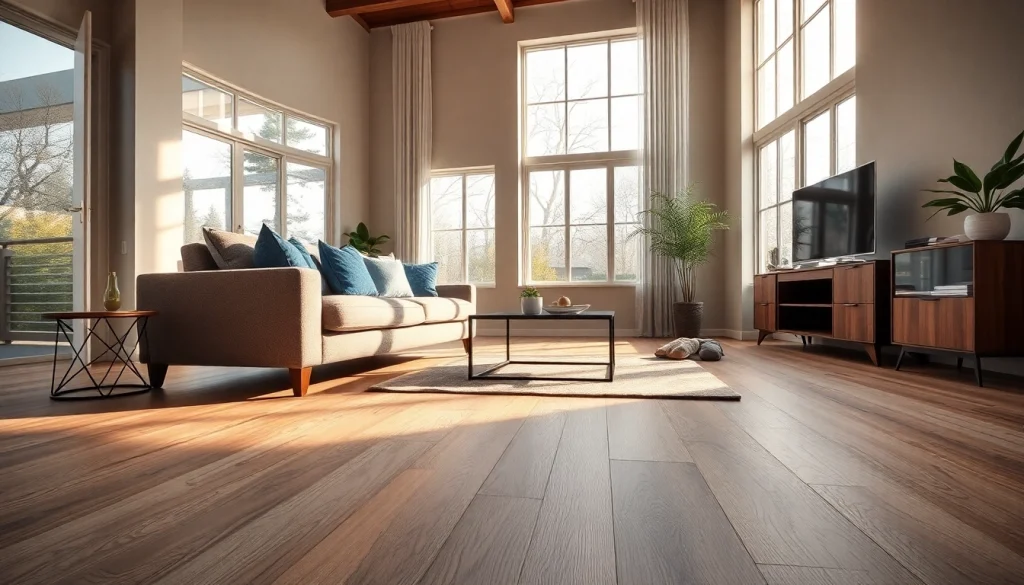
Vinyl flooring is not just practical; it is also highly versatile in design. With advancements in printing technology, manufacturers offer a wide array of colors, patterns, and textures that can mimic natural materials like hardwood and stone. Homeowners can find options that suit any aesthetic, from rustic charm to sleek modernity. This design flexibility makes vinyl suitable for virtually any room in the house, including kitchens, bathrooms, and living areas.
Choosing the Right Vinyl Flooring for Your Needs
Choosing the appropriate vinyl flooring requires careful consideration of various factors unique to your living space and personal style. With different types and styles available, understanding your needs will help you make an informed decision.
Different Types of Vinyl Flooring Explained
Vinyl flooring can be categorized into several types, each with distinct characteristics:
- Sheet Vinyl: This type comes in large, continuous sheets. Ideal for minimizing seams, sheet vinyl is an excellent option for bathrooms and kitchens.
- Vinyl Plank Flooring: Resembling hardwood planks, vinyl planks offer the authentic appearance of wood with the advantages of vinyl.
- Vinyl Tile: Available in a variety of styles and shapes, vinyl tiles provide design flexibility and can be arranged in unique patterns.
- Luxury Vinyl Plank (LVP) and Luxury Vinyl Tile (LVT): These premium options feature enhanced designs, textures, and thickness, often providing better durability and comfort underfoot.
Factors to Consider in Your Selection
When choosing vinyl flooring, consider the following factors:
- Room Type: Different spaces may require varying levels of water resistance, comfort, and durability.
- Foot Traffic: High-traffic areas need more durable flooring options.
- Installation Method: Some products are easier to install than others, particularly if you plan to do it yourself.
- Maintenance Requirements: Different styles may have distinct cleaning and upkeep needs.
Color and Style Trends to Follow
Current trends in vinyl flooring showcase a move towards natural looks, with designs that mimic wood, stone, and even concrete. Lighter tones and natural finishes are particularly popular, as they help spaces feel larger and more inviting. Additionally, geometric patterns and mixed-media designs are emerging as creative choices for adding personality to homes. Consulting with interior design experts can provide insight into trends that will yield a timeless look while staying fashionable.
Installation Process for Vinyl Flooring
Installing vinyl flooring can be straightforward, but it requires careful planning and preparation to ensure optimal results. Let’s examine the steps involved and key considerations for installation.
Preparation and Planning Steps
Before beginning the installation process, undertake the following preparation steps:
- Assess the Subfloor: A flat, dry, and clean base is essential for successful installation. Any irregularities may need to be addressed.
- Gather Tools and Materials: Ensure you have all necessary tools, including a utility knife, tape measure, and adhesive (if required).
- Acclimate the Flooring: Allow vinyl flooring to adjust to the room’s temperature and humidity for 24 to 48 hours, preventing potential expansion or contraction post-installation.
Professional Versus DIY Installation
While some homeowners opt for DIY installation to save on labor costs, hiring professionals can be advantageous. Professionals bring expertise that can lead to a quicker and more seamless installation, reducing the chance of errors that could affect aesthetics and longevity. For those unfamiliar with flooring installation techniques, hiring a professional may be the best approach.
Common Mistakes to Avoid During Installation
A few common pitfalls can impact the quality of your flooring installation:
- Failing to properly prepare the subfloor can result in uneven surfaces or premature wear.
- Not allowing the flooring to acclimate can lead to expansion issues.
- Ignoring manufacturer guidelines regarding installation methods can void warranties.
- Improperly sealing edges and seams may lead to water damage or gaps.
Caring for Your Vinyl Flooring
Proper care and maintenance are crucial for ensuring the longevity of your vinyl flooring. Understanding best practices can help you enjoy its beauty and functionality for years to come.
Cleaning Techniques for Longevity
Regular cleaning is essential for maintaining the appearance of vinyl flooring. Here are some effective cleaning techniques:
- Sweep or Vacuum Regularly: Remove dirt and debris to prevent scratches.
- Use a Damp Mop: Clean with a damp mop and a mild vinyl floor cleaner. Avoid using excessive water as it can seep into seams and cause damage.
- Spot-Clean Stains Promptly: Address any spills or stains quickly to prevent them from settling into the flooring.
Preventive Measures Against Damage
To protect your vinyl flooring, consider these preventive measures:
- Use Furniture Pads: Place pads under furniture legs to prevent scratches and dents.
- Avoid Harsh Chemicals: Do not use abrasive cleaners or waxes, which can dull the finish.
- Limit Direct Sun Exposure: Use curtains or blinds to protect against UV rays, which can fade colors over time.
Repairing Common Issues with Vinyl Flooring
If issues arise with your vinyl flooring, addressing them promptly is crucial. Some common problems include:
- Scratches: Light scratches can often be buffed out with a vinyl floor repair kit.
- Tears: Small tears can be patched with a vinyl patching kit, ensuring color matching for aesthetics.
- Loose Ends: For areas that lift or curl, using adhesive to secure them can prevent further damage.
FAQs about Vinyl Flooring
What is vinyl flooring?
Vinyl flooring is a synthetic flooring material made from polyvinyl chloride (PVC) that mimics the appearance of traditional flooring materials such as wood and stone.
How long does vinyl flooring last?
With proper care and maintenance, vinyl flooring can last between 10 and 20 years, depending on the quality and installation.
Is vinyl flooring waterproof?
Many modern vinyl flooring options are designed to be waterproof, making them suitable for areas such as kitchens and bathrooms.
Can I install vinyl flooring myself?
Yes, vinyl flooring can be installed as a DIY project, but professional installation may provide better results, especially for complex areas.
How do I clean and maintain vinyl flooring?
Regular sweeping, damp mopping with a mild cleaner, and prompt attention to spills and stains help maintain vinyl flooring’s appearance.