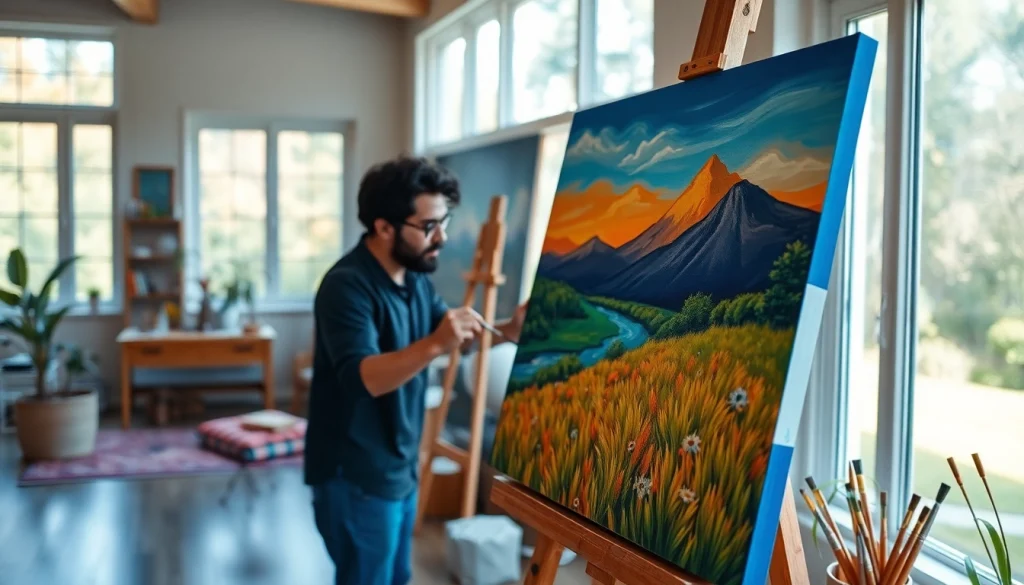
Understanding Painting Techniques
When it comes to expressing creativity and displaying one’s aesthetic vision, painting stands out as a timeless art form. Engaging with painting allows artists to convey emotions, tell stories, and transform ordinary spaces into personal sanctuaries. In this comprehensive guide, we will delve into various painting techniques, styles, color selection, and the essentials needed to create captivating artworks.
Different Styles of Painting
Painting styles are as diverse as the artists who create them. Understanding these styles not only enriches your appreciation of art but also helps you choose which to explore in your own practice. Here are some of the most notable styles:
- Realism: Focused on depicting subjects accurately and truthfully, without embellishment. Artists strive to capture life as it is.
- Impressionism: Characterized by capturing moments in time and the effects of light and color. Brush strokes are often visible, adding a dynamic feel to the artwork.
- Abstract: Moves away from realistic representations to focus on colors, shapes, and forms. This style invites interpretation and emotional response.
- Expressionism: Emphasizes emotional experience rather than physical reality. Artists often manipulate color, shape, and form to express feelings.
- Surrealism: Blends fantasy with reality, creating dream-like scenes that challenge perceptions.
Each of these styles offers unique avenues for creativity, allowing artists to explore their voice and message through different mediums.
Essential Tools for Painting
Equipping yourself with the right tools is crucial for any aspiring painter. Here’s a rundown of essential painting materials:
- Brushes: Available in various shapes and sizes, brushes influence the texture and detail of your painting. For instance, round brushes are ideal for details, while flat brushes are great for broad strokes.
- Paint: Common types include acrylic, oil, gouache, and watercolor. Each has its unique qualities and drying times, impacting your technique and finish.
- Canvas or Paper: Your choice of surface can alter the final look of your painting. Canvas is durable, whereas paper offers a different texture and absorbency.
- Palette: Used for mixing colors. A wooden or acrylic palette allows for a smooth mixing surface that can be easily cleaned.
- Easel: Provides support for your canvas, holding it at a comfortable height and angle for painting.
- Additional Tools: Consider palette knives for mixing and applying paint, as well as rags or sponges for various effects.
Basic Techniques for Beginners
As you embark on your painting journey, mastering fundamental techniques can significantly enhance your skills. Here are a few essential techniques:
- Blending: Involves merging colors smoothly to create a gradient effect. This technique is crucial for blending skin tones in portraits or creating atmospheric backgrounds.
- Glazing: Applying thin, transparent layers of color over a dry base layer to achieve depth and richness.
- Dry Brushing: Using a dry brush to apply paint lightly, which creates texture and can add depth to certain areas.
- Watercolor Techniques: Learn techniques like wet-on-wet (applying wet paint onto wet paper) and wet-on-dry (applying wet paint onto dry paper) for varied effects.
- Blocking In: Initial step in which you establish major shapes and colors without getting into detail. It sets the groundwork for your painting.
Choosing the Right Colors for Your Painting
Color plays a crucial role in painting, influencing mood, focus, and emotion. A solid understanding of color theory equips you to make informed choices in your artwork.
Color Theory Fundamentals
Color theory comprises principles about how colors interact, mix, and complement one another. Here are key concepts:
- Primary Colors: Red, blue, and yellow serve as the foundation for all other colors.
- Secondary Colors: Formed by mixing primary colors. For example, mixing red and blue creates purple.
- Tertiary Colors: Created by mixing a primary color with a secondary color, yielding hues like red-orange or blue-green.
- Color Wheel: A visual representation of colors arranged according to their relationships; it aids in creating harmonious color schemes.
- Complementary Colors: Colors opposite each other on the color wheel. Pairing them amplifies visual interest.
Creating Mood with Color Choices
Colors evoke emotions and set the ambiance of a piece. Consider these associations to enhance your narrative:
- Warm Colors: Colors like red, orange, and yellow evoke warmth, excitement, and energy.
- Cool Colors: Blues, greens, and purples foster calmness and tranquility.
- Neutral Colors: White, black, and gray create balance and can help guide the viewer’s focus.
Carefully selecting colors not only enhances the aesthetic value but also communicates deeper emotional messages.
Color Palettes to Try
Experimenting with color combinations can yield stunning results. Here are a few palettes to inspire your next piece:
- Monochromatic: Variations of a single color create unity and coherence. Experiment with different shades and tints for depth.
- Analogous: Colors that are next to each other on the color wheel. For example, blue, blue-green, and green create a harmonious look.
- Complementary: Pairing complementary colors can deliver striking contrasts. An example is blue and orange.
- Triadic: Using three colors equally spaced on the color wheel provides balance and vibrancy. For example, red, blue, and yellow.
Exploring Styles of Painting
While traditional styles dominate the painting landscape, contemporary movements have introduced innovative expressions that enrich artistic exploration.
Realism vs. Abstract Painting
Understanding the dichotomy between realism and abstract painting illuminates the varying approaches artists can take:
- Realism: Focused on precise representation, realism captures real-life subjects such as landscapes, portraits, and still lifes, invoking familiarity.
- Abstract: Rejecting literal representation, abstract art emphasizes emotional rather than spatial accuracy. Artists utilize shapes, colors, and forms to evoke a response.
Both styles encourage artists to explore their unique interpretations, allowing for a diverse array of expressions within the art world.
Popular Painting Styles Today
Modern artists often blend traditional methods with contemporary influences. Here are several popular styles in today’s art scene:
- Street Art: Graffiti, murals, and urban art forms connect communities and often convey powerful socio-political messages.
- Digital Painting: Utilizing software and tablets to create art, this medium allows for immersive exploration of color and technique.
- Pop Art: Emphasizes popular culture elements, using bold colors and consumerism themes to create commentary on society.
Incorporating Mixed Media
Mixed media combines various artistic methods into one piece, breaking traditional confines. Here are key considerations:
- Experimenting with Materials: Incorporate elements like fabric, paper, or found objects with paint to create texture and dimension.
- Layering Techniques: Building layers of various media adds complexity and depth, inviting viewer engagement.
- Innovation: Mixed media encourages artists to step outside their comfort zones, often leading to unique and pioneering artworks.
Preparing Your Painting Space
A well-organized and inspiring painting space can significantly enhance creativity and productivity. Here are steps to create an ideal studio environment:
Setting Up Your Studio
When creating your studio, consider the following:
- Natural Light: Position your workspace to take advantage of natural light, which helps in color accuracy and reduces eye strain.
- Ventilation: Ensure good airflow, particularly if using solvents and chemicals. This enhances comfort and safety.
- Personalization: Surround yourself with inspiring artwork, plants, or other elements that stimulate creativity.
Effective Organization Tips
Maintaining an organized workspace can streamline your creative process. Here’s how:
- Categorizing Supplies: Organize brushes, paints, and canvases into labeled containers for easy access.
- Clearing Clutter: Regularly assess your space and remove unnecessary items to maintain a focused environment.
- Utilizing Vertical Space: Use shelves and pegboards to maximize storage without occupying precious floor space.
Creating a Comfortable Environment
Your physical comfort greatly affects your ability to paint effectively. Consider:
- Ergonomic Furniture: Invest in a good chair and easel that support your posture during long sessions.
- Temperature Control: Maintain a comfortable temperature that allows for concentration without distraction.
- Background Music: Create an atmosphere conducive to creativity with your favorite tunes or sounds.
Showcasing Your Painting
Once your masterpiece is complete, it’s time to think about how to share it with the world effectively.
Framing and Displaying Artwork
Presentation can dramatically influence how a painting is perceived. Here are ways to effectively frame and display your artwork:
- Choosing the Right Frame: Select a frame that complements your painting style and enhances its visual impact.
- Gallery Walls: Creating a cohesive display featuring multiple pieces allows for storytelling through juxtaposition.
- Public Spaces: Displaying work in cafes, galleries, or community centers increases exposure to a broader audience.
Promoting Your Painting Online
In today’s digital landscape, promoting your artwork online extends your reach significantly. Consider these strategies:
- Social Media: Platforms like Instagram and Pinterest are perfect for sharing visual content and engaging with art enthusiasts.
- Your Portfolio: Create a professional website showcasing your artwork, biography, and artist statement to establish your online presence.
- Email Newsletters: Build a mailing list to keep followers informed about your latest works and exhibitions, fostering a dedicated audience.
Participating in Local Art Shows
Local art shows provide an avenue for face-to-face interactions with an audience. Here are steps for success:
- Research Opportunities: Look for community art events, festivals, or contests and submit your work for consideration.
- Networking: Use events as an opportunity to connect with fellow artists, critics, and potential buyers.
- Feedback and Engagement: Utilize these opportunities to receive feedback and involve potential buyers in discussions about your art.
Frequently Asked Questions
What is the best medium for beginners?
Acrylic paint is often recommended for beginners due to its versatility, quick drying time, and easy cleanup with water.
How can I improve my painting skills?
Practice regularly, study various techniques, and seek feedback from experienced artists to refine your skills over time.
What should I consider when choosing colors for my painting?
Consider the mood you want to convey, and explore color complementary relationships using a color wheel to guide your choices.
How do I clean my brushes after painting?
Rinse brushes in water (for acrylics) or suitable solvents (for oils), then wash with soap, reshaping the bristles and drying them flat.
What are the benefits of participating in local art shows?
Art shows enhance visibility, foster connections with other artists, provide networking opportunities, and allow for valuable feedback.