
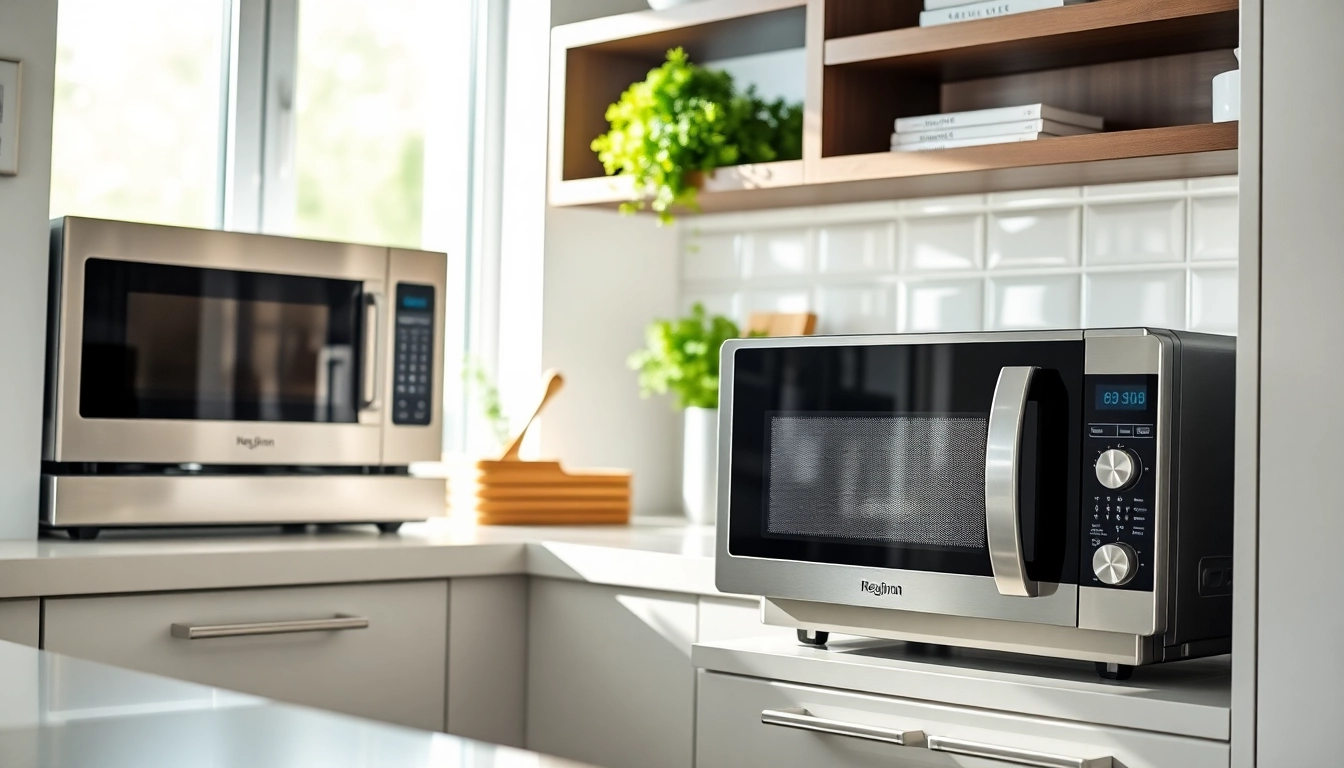
Understanding the Market Trends in Microwave Oven Sales
Current Industry Insights
The landscape of microwave oven sales has been rapidly evolving over the past few years, influenced by technological advancements and changing consumer lifestyles. Research indicates that the global microwave oven market is projected to grow significantly, driven by the rising demand for quick cooking solutions and energy-efficient appliances. With increasing urbanization and a shift towards smaller living spaces, compact and multifunctional microwave ovens have become increasingly popular. Consumers are not just looking for speed but also versatility, with many favoring ovens that can grill, bake, and steam, enhancing cooking convenience.
Consumer Preferences and Buying Behavior
Understanding consumer preferences is crucial for businesses looking to capitalize on microwave oven sales. Today’s consumers are not only price-sensitive but also care deeply about product features, brand reputation, and energy efficiency. Surveys reveal that many consumers prioritize health-conscious options, such as steam circulation technology, which retains nutrients while cooking. Moreover, brand loyalty plays an important role; consumers often gravitate towards known brands that consistently deliver high-quality products. Online reviews and recommendations are also critical to influencing purchasing decisions, making it essential for brands to foster a positive digital presence.
Emerging Innovations in Microwave Technology
The past few years have seen significant technological innovations in microwave ovens. Smart microwaves equipped with Wi-Fi connectivity allow users to control cooking via smartphones and save favorite recipes. Additionally, advancements like sensor cooking technology empower microwaves to adjust cooking time and power based on food weight and moisture levels, promoting efficiency and preventing overcooking. Such innovations not only enhance user experience but also increase energy efficiency, aligning with the growing consumer awareness of sustainability.
Strategies to Boost Microwave Oven Sales
Effective Marketing Techniques for Target Audiences
To effectively market microwave ovens, brands must identify their target audience segments clearly. Tailored marketing strategies can attract millennials who are tech-savvy and value convenience, as well as busy professionals looking for quick meal solutions. Utilizing data analytics can yield insights into specific consumer behaviors and preferences, enabling brands to craft personalized marketing messages. Additionally, educational content highlighting the benefits of various microwave features can engage consumers and nurture the purchasing cycle.
Leveraging Social Media for Visibility
In today’s digital age, an effective social media presence is invaluable for driving visibility in microwave oven sales. Platforms like Instagram and Pinterest are particularly beneficial for showcasing appealing visuals of the product in action. User-generated content can also enhance credibility and build community by allowing satisfied customers to share their experiences. Regular interaction with followers through polls, Q&A sessions, and giveaways can further engage audiences and encourage organic sharing, broadening the brand’s reach.
Creating Attractive Promotions and Discounts
Promotional strategies can significantly impact sales outcomes. Time-limited discounts, bundled offers, or loyalty rewards can incentivize purchases and stimulate demand. Brands can utilize seasonal trends, such as back-to-school sales or holiday promotions, to create urgency. Moreover, offering trade-in programs can attract customers looking to upgrade old appliances, providing an additional incentive to switch to newer, more efficient models.
Optimizing Product Listings for Microwave Oven Sales
SEO Best Practices for eCommerce Listings
Optimizing product listings for search engines is integral to enhancing visibility and driving sales. Incorporating targeted keywords—both short and long-tail—into product descriptions, titles, and metadata can help improve search rankings. Moreover, implementing features like rich snippets can lead to higher click-through rates by showcasing product ratings and pricing directly in search results. Regularly reviewing and updating these listings in accordance with changing trends and consumer feedback can also help maintain relevance over time.
Writing Compelling Product Descriptions
Creating compelling product descriptions involves not just detailing features but also painting a picture of how the microwave will enhance the user experience. Businesses should highlight unique selling points and explain how specific features solve common cooking problems. Using bullet points for quick readability and incorporating a conversational tone can make descriptions more engaging. Additionally, integrating relevant keywords strategically can further support SEO efforts without detracting from the reader’s experience.
Utilizing High-Quality Images
Visual appeal is crucial in eCommerce, and high-quality images play a pivotal role in conveying product quality. Different angles, alongside in-context photographs that show the microwave in a kitchen setting, can give consumers a better understanding of the product’s size and usability. Delivering zoomable images can enhance the buying experience by allowing potential customers to see intricate details. Furthermore, including video content demonstrating the product’s features or recipes can enhance engagement and showcase the microwave’s full capabilities.
Building Customer Trust for Long-Term Success
Providing Excellent Customer Service
Customer service is fundamental in building long-lasting relationships and enhancing trust in a brand. Prompt response to inquiries and concerns, comprehensive FAQs, and proactive support can significantly contribute to customer satisfaction. Implementing live chat features on eCommerce sites provides immediate assistance, addressing potential buyer hesitations before they lead to abandoned carts. Furthermore, clear and fair return policies can reassure customers, giving them confidence in their purchases.
Creating Positive Customer Reviews
Positive customer reviews can act as powerful testimonials, influencing prospective buyers’ perceptions. Encouraging existing customers to leave feedback through follow-up emails or directly on product pages can provide brands with social proof. Responding to reviews—both positive and negative—whereby brands thank customers or address issues highlighted, demonstrates care and responsibility. This transparency can contribute to an enhanced brand reputation, ultimately driving sales.
Establishing a Loyalty Program
A well-structured loyalty program can significantly enhance customer retention and increase lifetime value. Offering rewards points for purchases, referrals, or social media engagement can motivate customers to continue choosing a brand over competitors. Personalizing loyalty incentives based on previous purchases can further resonate with consumers, fostering a sense of belonging to the brand community. Periodic surveys to understand customer preferences can also help refine programs, aligning them with evolving consumer expectations.
Measuring Success and Adjusting Strategies
Key Performance Indicators to Track
Tracking the right Key Performance Indicators (KPIs) is essential for determining the effectiveness of sales strategies. Metrics such as conversion rates, average order value, return on investment for marketing spends, and customer acquisition costs provide insights into how well the sales tactics are performing. Regularly analyzing these metrics allows brands to identify trends, pinpoint areas for improvement, and make informed decisions about resource allocation and strategy adjustments.
Gathering Customer Feedback
Gathering customer feedback can provide invaluable insights into product reception and overall shopping experience. Surveys and feedback forms post-purchase, or through email campaigns, can yield information on consumer satisfaction and expectations. Brands should also monitor comments on social media and online forums to gauge public opinion on their products. Utilizing this feedback to make necessary adjustments not only enhances customer satisfaction but also demonstrates responsiveness to customer needs.
Adjusting Strategies Based on Market Response
The most successful brands are those that remain agile, adjusting their strategies based on market response. A/B testing different marketing messages, image presentations, and promotional tactics can yield insights into what resonates most with target demographics. Consistent monitoring of competitor activity and market trends enables brands to adapt to changing consumer behaviors and ensure they remain ahead of the curve. Strategic pivots based on these insights can effectively optimize performance in the competitive landscape of microwave oven sales.
Frequently Asked Questions
What should I look for when buying a microwave oven?
Consider factors like size, wattage, and features that fit your cooking style. Look for user-friendly controls and energy efficiency for better performance.
How can I ensure my microwave oven lasts longer?
Regular cleaning, avoiding overheating, and following the manufacturer’s guidelines can help prolong the lifespan of your microwave oven.
What types of microwave ovens are available?
There are various types, including countertop, built-in, and over-the-range models, each suited for different kitchen setups and needs.
Is it necessary to use special cookware in a microwave?
Yes, using microwave-safe cookware is essential to prevent melting or chemical leaching. Always check labels for microwave compatibility.
Can a microwave oven replace my conventional oven?
While microwaves can perform several cooking tasks, they may not replace conventional ovens entirely for baking and roasting. Each has its advantages depending on cooking needs.