Understanding NdFeB Magnets
What Are NdFeB Magnets?
NdFeB magnets, also known as neodymium magnets, are composed of an alloy that primarily consists of neodymium, iron, and boron. They belong to the family of rare earth magnets and are known for their exceptional strength and magnetic properties. These magnets are synthesized through a sintering process, which involves compressing powdered metals and then heating them to create a solid piece. The result is a magnet with a high magnetic flux density, making them one of the most powerful permanent magnets available today.
Unique Properties of NdFeB Magnets
Several properties distinguish NdFeB magnets from other types of magnets:
- High Magnetic Strength: NdFeB magnets provide a remarkable magnetic field strength, often exceeding a maximum energy product of 12 MGOe (Mega Gauss Oersteds).
- Temperature Resistance: These magnets perform optimally at moderate temperatures, typically up to 80-200 degrees Celsius, but special grades can withstand even higher temperatures.
- Corrosion Susceptibility: Without protective coatings, NdFeB magnets can corrode quickly. Thus, they are often coated with materials such as nickel-copper-nickel to enhance durability.
- Versatility: They can be manufactured into various shapes and sizes, catering to specific applications across different industries.
Applications of NdFeB Magnets in Various Industries
NdFeB magnets are utilized in numerous industries, thanks to their strength and versatility:
- Electronics: Found in hard drives, smartphones, and speakers, these magnets help provide compact size while maintaining high performance.
- Automotive: Employed in electric motors, generators, and various sensors, NdFeB magnets enhance efficiency and performance.
- Medical Technology: These magnets are used in MRI machines and other diagnostic instruments, facilitating improved imaging quality.
- Energy Sector: Efficient wind turbines and renewable energy generation rely on NdFeB magnets for their electrical systems.
The Manufacturing Process of NdFeB Magnets
Raw Materials Used in Production
The primary raw materials for NdFeB magnets include neodymium, iron, and boron. Additional elements, like dysprosium and prasodymium, may be incorporated to enhance the magnets’ performance and thermal stability. The careful selection and quality control of these materials are critical, as they directly affect the final properties of the magnets.
Step-by-Step Manufacturing Techniques
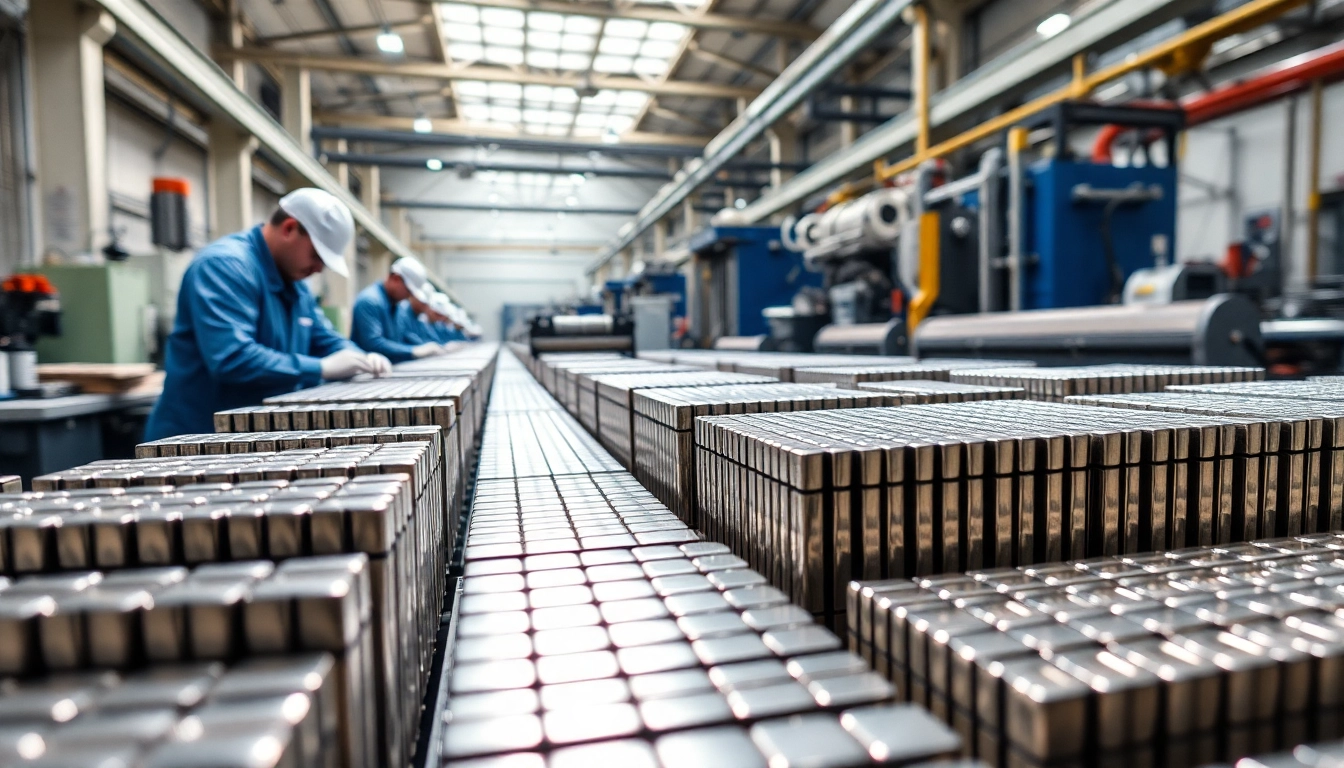
The process of manufacturing NdFeB magnets typically involves several key steps:
- Raw Material Processing: The powdered raw materials are mixed in precise proportions and milled to achieve the desired particle size.
- Sintering: The mixture is compacted into molds and subjected to high temperatures in a vacuum or inert atmosphere, leading to the formation of a solid magnet.
- Machining: Post-sintering, the magnets are precision-machined to achieve specific dimensions and shapes, ensuring they fit their intended applications.
- Coating: A protective coating is applied to prevent oxidation and corrosion, enhancing the magnet’s longevity.
- Magnetization: Finally, the magnets are exposed to a strong magnetic field to induce their permanent magnetism.
Quality Control Measures in NdFeB Magnet Production
Quality control is paramount in the production of NdFeB magnets. Various measures are employed to ensure that products meet specified standards:
- Material Inspection: Rigorous testing of raw materials is conducted to check for purity and quality before the manufacturing process begins.
- Process Monitoring: Continuous monitoring of the manufacturing process allows for the early detection of deviations from quality standards.
- Final Product Testing: Tests are conducted to evaluate the magnetic properties, dimensions, and coatings of the finished product, ensuring compliance with industry standards.
Key Players in the NdFeB Magnet Industry
Market Overview and Trends
The NdFeB magnet market has been witnessing remarkable growth driven by the increasing demand for high-performance magnets in various technological advancements. As industries shift focus towards renewable energy, electric vehicle technology, and miniaturization of electronic devices, the need for efficient and powerful magnets is more prevalent than ever. Market analysts predict that the demand for NdFeB magnets will continue rising, keeping pace with these transformative trends.
Top Characteristics of Leading Manufacturers
When considering potential manufacturers, certain characteristics are essential for ensuring quality and reliability:
- Experience: A manufacturer’s experience in the field can be a significant indicator of its capability and expertise.
- Production Capacity: The ability to scale production to meet customer demands is crucial for timely delivery and fulfilling large orders.
- Technological Advancement: Manufacturers investing in R&D and cutting-edge technology often produce superior products that incorporate the latest technological advancements.
- Customer Support: A strong support system that assists customers from consulting through post-sale services ensures a productive and hassle-free experience.
Online Resources and Platforms for Sourcing NdFeB Magnets
For businesses seeking reliable Ndfeb magnets manufacturer in china, various online platforms and resources can aid in finding reputable suppliers. Websites aggregating manufacturers offer customer reviews, product catalogs, and specifications, allowing for informed decision-making when sourcing magnets.
Benefits of Sourcing from China
Cost Efficiency in Production
China has emerged as a powerhouse in the manufacturing sector, particularly in magnets. The cost efficiency stems from multiple factors, including lower labor costs, access to raw materials, and advanced manufacturing techniques. This effectiveness enables businesses to acquire high-quality NdFeB magnets at competitive prices.
Access to Advanced Technology and Innovation
Chinese manufacturers are increasingly integrating advanced technology into their production processes. Modernization initiatives, including automation and AI, have dramatically improved the efficiency of NdFeB magnet production. This technological edge yields superior product quality and consistency.
Customization Options for Different Needs
One of the significant advantages presented by Chinese manufacturers is their ability to offer customizable solutions. Whether a business requires unique sizes, shapes, or magnetic qualities, many manufacturers in China can tailor their products to meet specific needs. This flexibility fosters innovation and addresses unique application requirements.
The Future of NdFeB Magnet Manufacturing
Emerging Technologies and Their Impact
The NdFeB magnet industry is on the brink of transformation, driven by emerging technologies. Enhanced manufacturing processes, including additive manufacturing, promise to revolutionize the way magnets are produced. As these technologies mature, we expect reduced costs and improved performance attributes—from strength to thermal stability—in NdFeB magnets.
Sustainability Practices in Magnet Manufacturing
Given the growing emphasis on sustainability, manufacturers are actively exploring eco-friendly practices. This includes the development of recycling processes for rare earth materials and the adoption of greener energy sources during production. Sustainable practices not only enhance corporate social responsibility but also appeal to environmentally conscious industries and consumers.
Predicted Industry Growth and Trends
The future of the NdFeB magnet manufacturing industry seems poised for robust growth. Key trends include the rising demand for energy solutions and electric vehicles, coupled with continuous innovation in applications across multiple sectors. The upcoming years will likely see further integration of smart technologies in manufacturing, yielding even more significant advancements in magnet efficiency and functionality.