
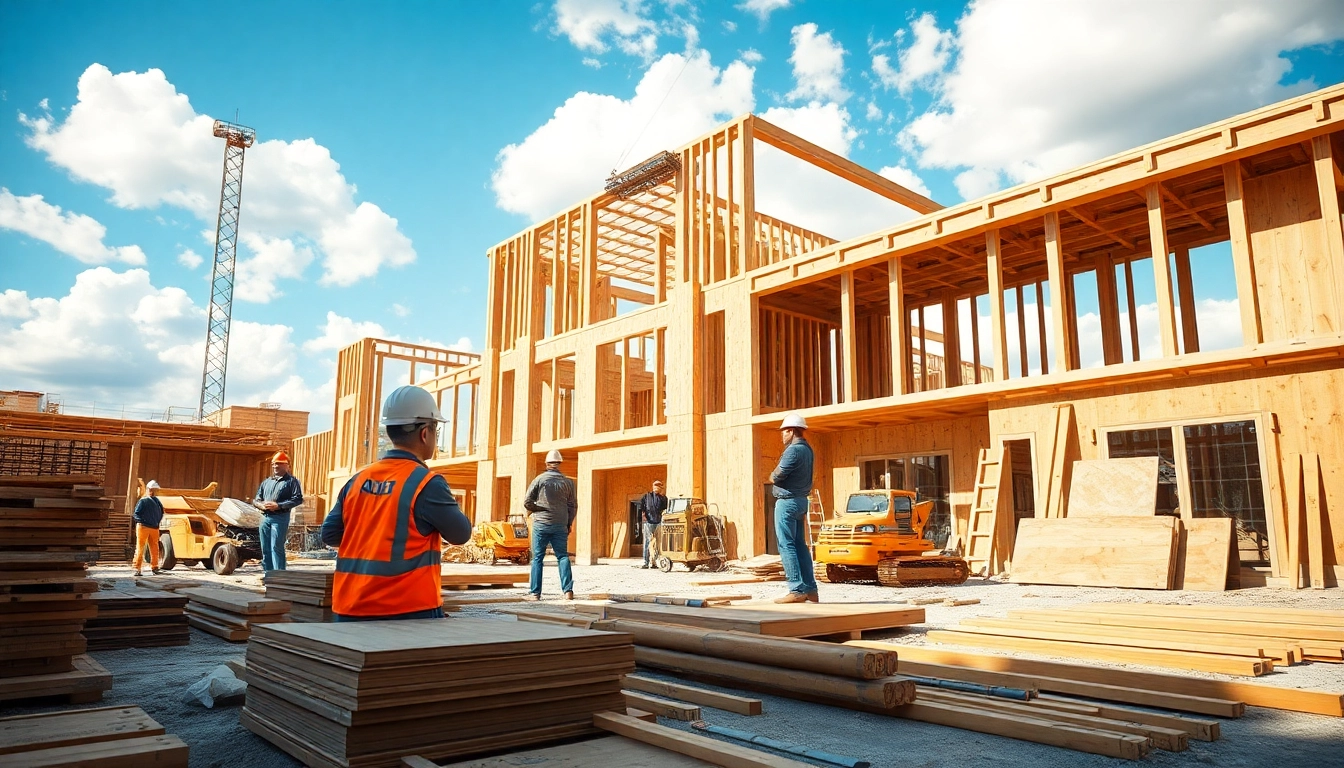
Understanding the Role of a New Jersey General Contractor
Finding the right partner for construction and renovation projects can be daunting. However, understanding the role of a New Jersey General Contractor can help streamline your planning and decision-making processes. These professionals serve as the backbone of construction projects, ensuring they are completed on time, within budget, and to specification.
What Does a General Contractor Do?
A general contractor (GC) is responsible for overseeing the entire construction process from start to finish. Their roles involve coordinating labor, managing schedules, procuring materials, and ensuring compliance with local building codes. Essentially, a GC acts as the project manager, providing expertise in executing a project’s vision while handling the intricacies of construction.
Key Responsibilities of General Contractors
- Project Planning: Assessing project needs and creating timelines.
- Subcontractor Coordination: Hiring and managing subcontractors like electricians and plumbers.
- Material Procurement: Sourcing and purchasing necessary materials for construction.
- Site Supervision: Monitoring daily operations to ensure adherence to plans and safety standards.
- Budget Management: Keeping track of expenses and ensuring the project stays within budget constraints.
Benefits of Hiring a New Jersey General Contractor
Partnering with a knowledgeable New Jersey General Contractor brings numerous advantages:
- Expertise: General contractors offer extensive know-how in the local construction landscape, ensuring compliance with state regulations.
- Time Efficiency: By managing all aspects of the project, a GC helps streamline processes, significantly reducing project timelines.
- Cost Efficiency: With established vendor relationships and bulk purchasing power, GCs can often save you money.
- Quality Assurance: GCs ensure quality workmanship and employ reliable subcontractors for specialized tasks.
- Pace Control: They monitor the workflow and adjust as necessary to keep the project on track.
Choosing the Right New Jersey General Contractor
Selecting the appropriate general contractor is crucial for the success of your construction project. The right choice can save you money, time, and stress as the project unfolds.
Essential Qualifications and Experience
When evaluating potential general contractors, certain qualifications and experiences should stand out:
- Licensing: Ensure the contractor is licensed and bonded in New Jersey.
- Experience: Look for contractors with a proven track record in similar projects.
- Insurance: Verify that they carry liability insurance and worker’s compensation.
- References: Ask for references and inspect previous projects.
- Specialization: Consider industry specialization that aligns with your specific needs.
Questions to Ask Before Hiring
Prior to hiring a general contractor, conducting thorough interviews can clarify your choice. Key questions include:
- What is your project timeline?
- How do you handle project changes and delays?
- Can you provide a detailed written estimate?
- What is your payment schedule?
- How do you ensure quality and compliance?
Evaluating References and Reviews
When assessing a general contractor’s credibility, consider the following steps:
- Contact references to inquire about their experiences.
- Look for online reviews on platforms like Google and Yelp.
- Check for any legal disputes or complaints filed against them.
- Visit previous project sites to assess craftsmanship.
- Consult local trade organizations for recommendations.
Cost Considerations When Hiring a New Jersey General Contractor
Understanding the financial implications of hiring a general contractor is paramount for homeowners planning renovations or new constructions.
Understanding Pricing Structures
General contractors typically operate on a few pricing structures:
- Fixed Price: A total lump sum for the entire project.
- Cost Plus: The contractor bills for direct costs plus a fee or percentage.
- Hourly Rate: Payment based on the time invested in the project.
Understanding these structures can help you assess a contractor’s proposal effectively.
Budget-Friendly Tips for Homeowners
Here are some budget-friendly tips when working with general contractors:
- Set a clear budget and communicate it to your contractor.
- Be flexible with your budget to accommodate unexpected changes.
- Prioritize must-have features over nice-to-haves during budgeting.
- Source your materials when possible to cut costs.
- Consider small renovations or phased projects over major overhauls.
Cost vs. Value: Making Smart Investments
When it comes to home construction or renovations, consider the long-term value vs. immediate costs:
- Investing in quality materials can reduce future repairs.
- Choosing energy-efficient solutions can save money in utility bills.
- Enhancing curb appeal can increase property value.
- Thorough planning can prevent costly redesigns later.
- Consider the return on investment (ROI) for each project.
Common Challenges with General Contractors
Having a graceful experience with your general contractor can sometimes be challenged by common pitfalls. Recognizing these pitfalls is the first step in overcoming them.
Working Through Delays and Setbacks
Construction projects can face several potential delays. Here’s how to manage this effectively:
- Communicate openly and honestly about delays as they arise.
- Ask your contractor for a detailed schedule and frequent updates.
- Be adaptive to adjusting timelines while remaining firm about deadlines.
- Create contingency plans for unexpected events or delays.
- Provide adequate access and resources to minimize setbacks.
Managing Communication Effectively
Communication plays a critical role in project success. Here are effective ways to ensure clear communication:
- Establish regular check-ins to discuss project status.
- Utilize project management tools to track progress.
- Document all communications to avoid misunderstandings.
- Encourage an open-door policy for expressing concerns.
- Set clear expectations from the outset regarding communication protocols.
Resolving Conflicts: Tips for Homeowners
Conflict can arise during construction projects. Employ these strategies to resolve disputes:
- Address issues as they arise rather than letting them fester.
- Keep discussions professional and focused on facts.
- Seek mediation if the conflict escalates beyond resolution.
- Document all agreements to clarify intentions.
- Remain open to compromise and mutual understanding.
Ensuring Quality Work and Satisfaction
As the project comes to a close, ensuring quality work and satisfaction should remain a priority. Here are strategies to guarantee that:
Inspection and Quality Assurance Processes
To verify quality workmanship, incorporate inspections at various stages of construction:
- Conduct initial site inspections before work begins.
- Establish checkpoints based on construction milestones.
- Employ a third-party inspector for unbiased quality reviews.
- Document all findings and address concerns promptly.
- Review warranties and guarantees for the work completed.
What to Expect Post-Completion
At the completion of a project, homeowners should expect the following:
- A final walkthrough to ensure satisfaction with the work.
- Clear documentation and manuals for any installed systems.
- Access to warranties for materials and services provided.
- Post-completion support to address potential issues.
- Feedback opportunities to discuss any unresolved matters.
Building a Long-Term Relationship with Your Contractor
Establishing a rapport with your general contractor can benefit future projects:
- Stay engaged and maintain communication even after project completion.
- Be proactive in expressing feedback and satisfaction.
- Consider your contractor for future projects or renovations.
- Refer friends or family to strengthen a mutually beneficial relationship.
- Visit completed projects to maintain rapport and respect.
Frequently Asked Questions
What is the difference between a general contractor and a subcontractor?
A general contractor manages the overall construction project, while subcontractors are specialized tradespeople hired to complete specific tasks under the general contractor’s supervision.
How can I verify a general contractor’s credentials?
You can check licensing, insurance, and references. Reviewing online reviews and speaking to past clients will also provide valuable insights.
How long do construction projects typically take?
The duration varies based on the project’s scope, size, and complexity. Smaller renovations can take weeks, while larger projects may extend over several months.
Are there hidden costs in construction projects?
Yes, unexpected expenses can arise from changes in project scope, delays, or unforeseen conditions. A detailed contract can help minimize surprises.
What should I do if I’m unhappy with the work?
Communicate your concerns with the contractor. Document any issues and refer to the contract for resolution processes. Mediation may be necessary if problems persist.