
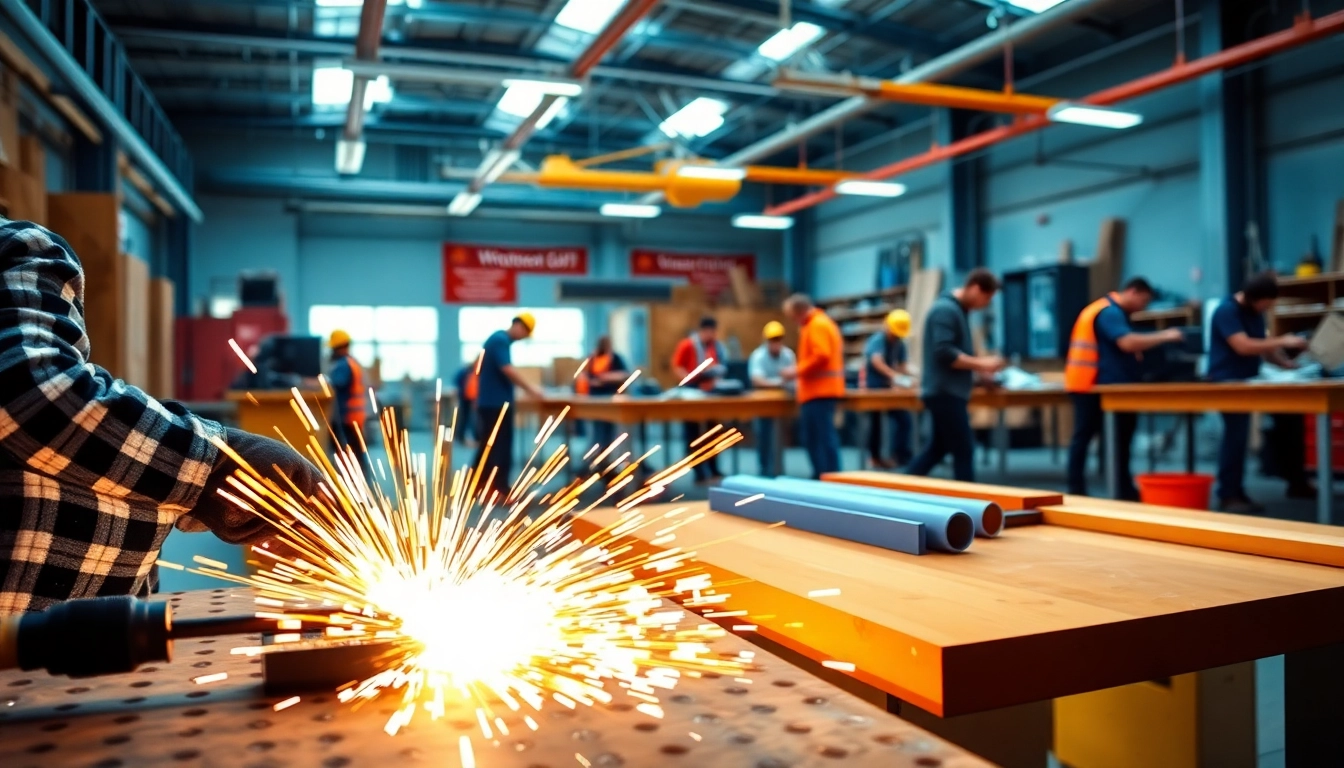
Introduction to Construction Classes
What Are Construction Classes?
Construction classes refer to educational programs designed to equip individuals with the necessary skills and knowledge to thrive in the construction industry. These classes cover a wide array of topics, including project management, safety protocols, material handling, and specialized trade skills such as carpentry, plumbing, and electrical work. Whether you are a novice seeking to enter the field or an experienced professional aiming to enhance your expertise, construction classes offer a comprehensive gateway to improve your capabilities.
Importance of Construction Classes in Skill Development
The construction sector is notoriously dynamic, characterized by evolving technologies, safety standards, and regulatory requirements. Enrolling in construction classes enhances the ability to adapt to these changes. Through structured learning, individuals can acquire practical skills that are essential for job success, ensuring they remain competitive within the marketplace. Furthermore, these classes often include modules that promote critical thinking and problem-solving, enabling participants to navigate the complexities of real-world construction challenges effectively.
Types of Construction Classes Available
Construction classes come in various formats and specializations. Some of the most common types include:
- Fundamental Courses: Ideal for beginners, these classes introduce key concepts in construction.
- Trade-Specific Training: Focused on specialized skills such as masonry, carpentry, and plumbing.
- Management and Leadership Programs: Designed for those seeking to move into supervisory roles, focusing on project management and team leadership.
- Safety and Compliance Training: Ensures learners understand OSHA regulations and safe work protocols.
- Online Courses: Provides flexibility for learners who may have work or family commitments.
Benefits of Enrolling in Construction Classes
Hands-On Experience Boosting Practical Skills
One of the primary advantages of construction classes is the hands-on experience they offer. Instructors often incorporate practical exercises that simulate real-life construction scenarios, allowing students to apply theoretical knowledge in a controlled environment. This experiential learning is essential in the construction sector, where skills must be honed through actual practice. Many institutions provide access to workshops and labs, giving participants vital exposure to tools and materials they will encounter in the field.
Networking Opportunities Within the Industry
Construction classes present unique networking opportunities that can greatly influence participants’ career paths. By connecting with instructors, industry professionals, and fellow learners, individuals can cultivate relationships that may lead to internship or job opportunities. Additionally, alumni networks often form solid communities that can provide ongoing support, resource sharing, and career advisement long after the classes have concluded.
Accreditation and Certifications from Construction Classes
Many construction classes offer industry-recognized certifications upon completion. These credentials can significantly enhance a participant’s resume, providing a competitive edge in job applications. Accreditation from recognized bodies also assures employers of the quality and rigor of the training received. Certifications can vary from general construction training to specific knowledge in areas like green building practices or advanced machinery operation.
Choosing the Right Construction Classes
Factors to Consider: Skill Level and Specialization
When selecting construction classes, it’s essential to consider one’s current skill level and future goals. Beginners may benefit from foundational courses that cover broad concepts, while seasoned professionals might opt for specialized training tailored to their field. Identifying career aspirations and understanding what skill sets are in demand can guide the decision-making process.
Researching Institutions Offering Construction Classes
Not all construction classes are created equal. It is crucial to research institutions to ensure they offer quality education. Look for accredited programs with experienced instructors, positive reviews from former students, and strong ties to the industry. Visiting the institution or attending an open house can provide insight into their facilities and course offerings.
Online vs. In-Person Construction Classes: Pros and Cons
Both online and in-person construction classes have their benefits and drawbacks. In-person classes facilitate immediate access to hands-on experiences and direct interaction with instructors. Conversely, online classes provide flexibility, allowing students to learn at their own pace. It’s essential to evaluate personal learning preferences, lifestyle, and professional commitments when choosing between the two.
Challenges Faced in Construction Classes
Common Obstacles for Beginners
Newcomers to construction education may face various challenges, including overwhelming technical jargon and complicated mathematical concepts. Many programs combat these difficulties by providing foundational resources and personalized instruction. Engaging in group studies and seeking mentorship can also help accelerate learning.
Overcoming Practical Skill Challenges
Practical skill development may pose challenges for some, particularly for those who may not have previous hands-on experience. Instructors usually encourage students to practice outside of class hours, and many institutions offer access to laboratories and workshops. Additional help can often be found during office hours or tutoring sessions, which many schools provide.
Addressing Time Management While Learning
Balancing education with personal and professional responsibilities can be daunting. Effective time management strategies, such as setting clear goals, prioritizing tasks, and creating a structured study schedule, can help students maximize their learning without sacrificing other commitments. Utilizing time-tracking tools and making use of downtime can also contribute to productive learning.
Future Prospects Post Construction Classes
Career Paths for Construction Class Graduates
Graduates of construction classes have various career paths available to them. Entry-level positions may include roles like construction laborers or apprentices in specialized trades. With additional experience and certification, many advance to roles such as project managers, site supervisors, or tech specialists. The versatility of a construction education allows for movement between different types of careers, including those in infrastructure, residential, and commercial projects.
Continuous Learning and Advanced Courses
The construction industry continually evolves, necessitating ongoing education for professionals. Graduates may wish to pursue advanced courses that delve deeper into specific topics, such as sustainable building practices, advanced project management, or safety compliance. Engaging in lifelong learning not only enhances individual skills but also contributes to the overall advancement of the industry.
Impact of Technology on Future Construction Classes
Technology is shaping the future of construction education. Innovations, such as virtual reality (VR) and augmented reality (AR), are increasingly incorporated into training programs, allowing students to engage with environments and scenarios that would be impossible to replicate in a traditional classroom. These tools enhance learning outcomes by providing immersive experiences that better prepare students for real-world applications.
FAQs
How long do construction classes typically last?
Construction classes’ duration varies widely, ranging from a few weeks for short courses to several months for comprehensive programs, depending on the depth of material covered.
Are construction classes suitable for beginners?
Yes, many construction classes are tailored specifically for beginners, providing foundational knowledge and skills necessary to enter the field.
What are the costs associated with construction classes?
The costs for construction classes can vary significantly based on the institution, course length, and specialization. It’s essential to research and budget accordingly.
How can I ensure quality in construction classes?
To ensure quality, look for accredited programs, experienced instructors, student reviews, and strong industry relationships before enrolling.
Are online construction classes as effective as in-person?
Online construction classes can be highly effective; however, they may lack the hands-on experience offered by in-person classes. It depends on individual learning preferences.
