
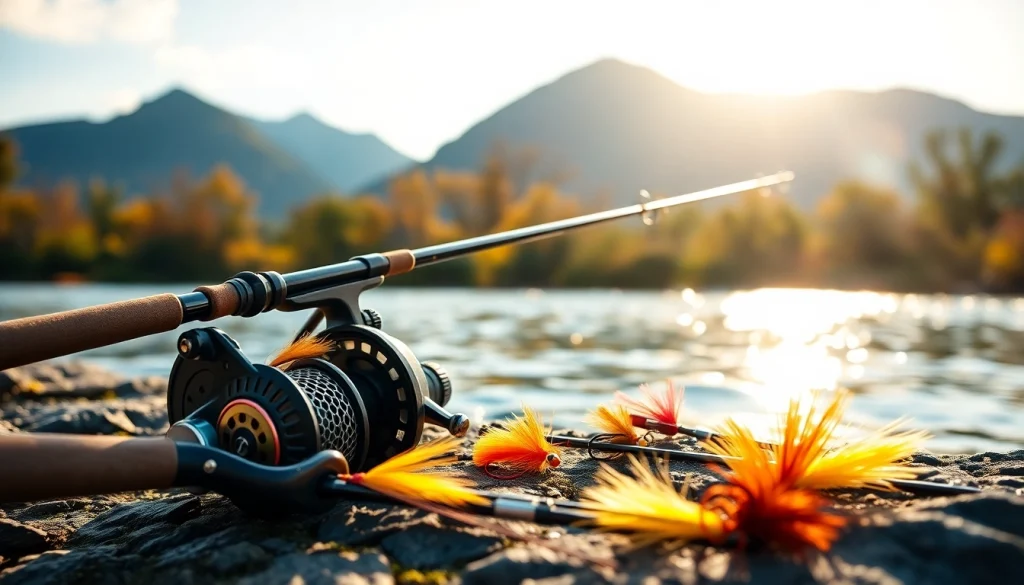
1. Understanding the Basics of a Fly Fishing Kit
Fly fishing offers a unique approach to angling, emphasizing technique over brute strength. For both beginner and seasoned anglers, having an optimized fly fishing kit is essential for success on the water. Understanding what constitutes a solid fly fishing kit will enable you to maximize your fishing experience, ensuring that you have everything you need for various fishing conditions and targets.
1.1 Key Components You Need
A basic fly fishing kit consists of several key components, each playing a pivotal role in creating a seamless fishing experience. Understanding each element will help you appreciate its importance and fine-tune your kit according to your needs.
- Fly Rod: The fundamental tool for casting your line. Ranging in length and power, it must be chosen based on the type of fish you are targeting.
- Fly Reel: This component holds the fly line and provides drag, crucial for fighting and landing fish.
- Fly Line: A specialized line that offers the buoyancy and weight needed for casting, it comes in floating, sinking, and intermediate varieties.
- Leader Line: A thin, nearly invisible line that connects your fly to the fly line. Its diameter and length vary based on the fishing conditions.
- Flies: The lures you will use to attract fish, they come in various types and styles.
1.2 Selecting the Right Fly Fishing Rod
The rod is arguably the most important piece of your fly fishing kit. When choosing a rod, consider the following:
- Length: Longer rods offer greater casting distance, while shorter rods provide more control in tight spaces.
- Weight: Choose a rod that matches the weight of the line you plan to use, typically between 2 to 12 weights.
- Material: Rods can be made from fiberglass, graphite, or bamboo, each affecting sensitivity and weight.
Ultimately, selecting the right fly rod is about aligning with the type of fishing you’ll do and your personal casting style.
1.3 Importance of the Fly Reel
The fly reel is not merely a storage device; it plays a crucial role in managing the line and supporting the fight against fish. When choosing a reel, take note of the following factors:
- Drag System: Look for smooth drag systems that allow for controlled resistance when a fish takes your fly.
- Weight: The reel should balance nicely with your rod for ease of use during extended fishing sessions.
- Material: Aluminum reels tend to be more durable but can also be heavier than plastic options.
2. Varieties of Lures and Flies in Your Kit
A critical aspect of your fly fishing kit is the selection of flies and lures. These artificial representations of baitfish or insects are designed to entice fish into biting. Understanding the different types and their applications can greatly improve your chances of success.
2.1 Types of Flies: Dry vs. Wet
Flies fall into two main categories: dry flies and wet flies, each serving different fishing techniques and conditions.
- Dry Flies: Designed to float on the water’s surface, they imitate insects (like mayflies and caddisflies) that fish feed on. They’re particularly effective during hatching seasons.
- Wet Flies: These are submerged and imitate underwater insect stages or baitfish. They can be fished through various water columns to target fish at different depths.
2.2 How to Choose the Right Lure for Conditions
Choosing the right lure often depends on environmental conditions and fish behavior. Factors to consider include:
- Weather: Bright sunny days may require more realistic dry flies, while overcast days can yield better results with wet flies.
- Water Conditions: Fast-moving water might demand larger, more visible flies, while calmer waters can be fished with subtler options.
- Season: Seasonal changes affect insect hatches and fish activity, so adjusting your lure selection accordingly is crucial.
2.3 Seasonal Adjustments: What to Include in Your Kit
Your fly fishing kit should evolve with the seasons. Here are some essential lures and flies for each season:
Spring:
As water temperatures rise, fish begin to recover from winter; use nymphs and streamers that mimic emerging insects.
Summer:
Stream conditions can vary greatly; focus on terrestrial patterns like ants and grasshoppers, along with various dry flies.
Fall:
Fish often feed heavily to prepare for winter; include larger streamers and nymphs to match the hatch.
Winter:
Use heavier nymphs and streamers in deeper waters, as fish will be less active and concentrated.
3. Essential Accessories for Fly Fishing Success
Your fly fishing kit shouldn’t just include rods and reels. Accessories can enhance your experience and increase your chances of landing fish. Here are some critical accessories to consider.
3.1 Fly Boxes: Organizing Your Kit Effectively
Fly boxes are essential for organizing your flies. They come in various sizes and styles. When choosing a fly box:
- Size: Choose a size that fits your kit without being cumbersome to transport.
- Material: Waterproof materials can keep your flies dry and in good condition.
- Type: Consider foam inserts or tackle-style compartments to keep your flies secure and accessible.
3.2 Tools and Gadgets Every Angler Should Have
Equipping your fly fishing kit with the right tools can streamline your fishing experience:
- Forceps: For safely removing hooks from fish.
- Scissors: For trimming leader lines and flies.
- Bobbin Holder: If you tie your flies, this tool is essential for winding thread.
- Line Clippers: For quick cuts to your leader line.
3.3 Safety Gear and Environmental Considerations
Safety should always come first when fly fishing. Include the following safety gear in your kit:
- Personal Flotation Device (PFD): Especially important when wading in moving water.
- Sunscreen: To protect against UV exposure on long fishing days.
- First Aid Kit: Always be prepared for minor injuries.
Additionally, comply with environmental regulations, practice catch and release, and ensure you leave no trace.
4. Tips for Assembling Your Fly Fishing Kit
Putting together an effective fly fishing kit requires forethought and strategy. Here are tips to help you assemble a kit tailored to your fishing style and needs.
4.1 Creating a Personalized Kit for Your Needs
Every angler is different, and your fly fishing kit should reflect your preferences:
- Local Species: Research the predominant fish species in your areas, such as trout or bass, and select flies and lures that attract them.
- Water Type: Choose gear based on your fishing spots, whether it be rivers, lakes, or saltwater flats.
- Your Skill Level: If you’re a beginner, start with basic equipment and evolve as you gain more experience.
4.2 Space-Saving Techniques for Easy Transport
Fly fishing often requires travel to remote locations; therefore, how you pack your kit can impact your experience. Here are some space-saving techniques:
- Use a Backpack: Invest in a fishing backpack that has compartments for secure storage of your gear and flies.
- Layer Items: Stack your fly boxes and accessories while leaving frequently used items easily accessible.
- Multi-purpose Tools: Opt for tools that serve multiple functions, like a tool that can function both as a forceps and line cutter.
4.3 Budgeting for Quality Gear
Quality fly fishing gear can be an investment, but with proper budgeting, you can create a high-quality kit without breaking the bank:
- Prioritize: Focus on essential items first, such as rods and reels, and gradually build your kit.
- Research: Take the time to read reviews, compare prices, and look for sales or second-hand options.
- Buy Best Value: Prioritize equipment that offers the best value in terms of durability and performance over the cheapest option.
5. Maintaining and Updating Your Fly Fishing Kit
To ensure that you are always prepared for your next fishing adventure, regular maintenance and updates to your fly fishing kit are crucial.
5.1 Regular Checks and Maintenance Routines
Maintaining your gear is key to ensuring it performs well in the field:
- Inspect Rods and Reels: Look for cracks, rust, or wear; service them regularly.
- Check Fly Lines: Look for inconsistencies, nicks, or memory that may impede casting.
- Clean Your Flies: Remove debris and check for damage after every trip to keep your flies in top condition.
5.2 When to Replace or Upgrade Components
Knowing when to replace or upgrade your gear can save you from frustration:
- Rod and Reel Wear: If you frequently use your gear, consider upgrading after a few seasons to ensure reliability.
- Line Replacement: Change your fly line every few years, or as soon as you notice it losing its floating properties.
- Flies Assessment: Regularly reevaluate your fly selection based on your changing fishing needs and local conditions.
5.3 Staying Informed: Latest Trends in Fly Fishing Gear
The world of fly fishing is continually evolving. Staying informed about new techniques, gear advancements, and fishing technologies can significantly enhance your fishing experience:
- Join Forums and Communities: Engage with fellow anglers to share insights on gear and techniques.
- Attend Expos and Seminars: These events showcase the latest improvements in fly fishing gear and provide an opportunity for hands-on learning.
- Review Online Content: Many online platforms publish reviews and comparisons of the latest fly fishing gear.