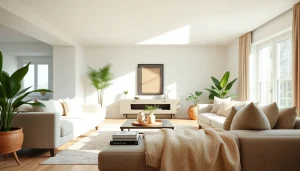
What is an Outdoor Sunroom?
Definition and Purpose
An outdoor sunroom is a specialized space that serves as an extension of your home, designed to create a seamless connection between indoor living and the natural outdoor environment. Typically constructed with expansive glass walls or panels, these spaces allow natural light to flood in while providing shelter from various weather conditions. The primary purpose is to offer a versatile area that can function as a lounge, a dining space, or even a greenhouse, depending on the homeowner’s preferences. Notably, an outdoor sunroom enhances one’s lifestyle by providing a refuge for relaxation or productivity amidst nature.
Benefits of an Outdoor Sunroom
- Increased Property Value: A well-designed outdoor sunroom can increase your home’s marketability by adding functional space and aesthetic appeal.
- Natural Lighting: Sunrooms provide an abundance of natural light, which can improve mood and productivity while reducing energy costs for lighting.
- Year-Round Usability: With proper insulation and climate control, outdoor sunrooms can be utilized throughout various seasons.
- Connection to Nature: These spaces allow homeowners to enjoy the beauty of their garden or landscape regardless of the weather.
- Versatility: Outdoor sunrooms can be customized to serve a multitude of functions, making them perfect for various needs and lifestyles.
Common Features
Outdoor sunrooms often come equipped with a range of features that enhance their usability and comfort. Often, you’ll find:
- Wall-to-Wall Windows: Maximizing the view outdoor while enabling sunlight to fill the space.
- Skylights: Additional sunlight entry and ventilation, further brightening the atmosphere.
- Climate Control Systems: Heating and cooling solutions such as ceiling fans or portable air conditioners ensure comfort in all seasons.
- Flooring Material Choices: Options such as tile, wood, or composite materials can add warmth and style while being durable for outdoor conditions.
Design Considerations for Your Outdoor Sunroom
Choosing the Right Location
When planning an outdoor sunroom, selecting the right location is essential. Here are key factors to consider:
- Sun Exposure: Choose a site with ample sunlight, ideally towards the south or west to capture maximum light during the day.
- View: Ensure the placement of the sunroom takes advantage of your best views, whether it’s your garden, a water feature, or scenic landscapes.
- Privacy: Consider distance from neighbors to ensure a tranquil environment; planting trees or installing privacy screens might be necessary.
Material Options for Durability
The construction materials you choose for your outdoor sunroom will significantly affect its longevity and maintenance. Popular material selections include:
- Aluminum: Lightweight and durable, aluminum frames resist rust, making them a low-maintenance option.
- Vinyl: This material offers excellent insulation properties, is virtually maintenance-free, and available in various colors.
- Wood: Provides natural beauty and charm, but may require regular maintenance like staining or sealing to prevent decay.
- Composite Materials: Combining wood fibers and recycled materials, composites offer durability and low upkeep while mimicking wood’s appearance.
Style and Aesthetics
Designing your outdoor sunroom requires careful attention to style so it harmonizes with your home’s existing architecture. Some considerations include:
- Architectural Compatibility: Ensure the style of your sunroom matches or complements the architectural features of your home.
- Interior Design: Choose furnishings that enhance the aesthetic flow. Utilize materials, colors, and fabrics that align with your personal style.
- Outdoor Elements: Harmonize the exterior of the sunroom with surrounding nature. This can be achieved through landscaping, outdoor plants, and color schemes.
Enhancing Your Outdoor Sunroom Experience
Furniture Selection
The right furniture can turn your outdoor sunroom into a comfortable retreat. Consider these tips while selecting:
- Durability: Opt for outdoor-furniture materials like teak, aluminum, or weather-proof resin.
- Comfort: Choose cushioned seating and reclining options to ensure relaxation isn’t compromised.
- Size: Ensure furniture choices harmonize with the sunroom’s dimensions, creating an open, inviting atmosphere.
- Functional Spaces: Create zones for various activities—reading, dining, or socializing—by strategically placing different furniture types.
Lighting Solutions
Proper lighting can define the ambiance of your outdoor sunroom. Consider these solutions:
- Natural Lighting: Utilize large windows and skylights to maximize daylight.
- Layered Lighting: Combine ambient (overall illumination), task (specific activities), and accent (highlight features) lighting to enrich the space.
- Smart Lighting: Consider dimmable LED lights for versatility, allowing you to adjust the ambiance according to the occasion.
Climate Control Tips
Create a comfortable atmosphere throughout the seasons in your outdoor sunroom with these climate control tips:
- Insulation: Properly insulate walls and ceilings to maintain temperatures and reduce energy costs.
- Heating Options: Consider portable heaters, electric baseboards, or even a fireplace for cozy winters.
- Cooling Techniques: Use ceiling fans, ventilation systems, or portable air conditioning units to combat summer heat.
Outdoor Sunroom Maintenance Tips
Cleaning Glass Panels
Maintaining the clarity of your outdoor sunroom’s glass panels is crucial for ensuring light flow and aesthetic appeal. Follow these cleaning tips:
- Choose the Right Cleaner: Use a glass cleaner or a mixture of vinegar and water for streak-free shine.
- Tools: Soft scrubbers or microfiber cloths will prevent scratches while effectively removing dirt.
- Regular Schedule: Establish a cleaning routine—perhaps seasonally—to keep panels in pristine condition.
Caring for Furnishings
Regularly maintaining your sunroom furnishings will extend their lifespan. Consider these maintenance strategies:
- Regular Cleaning: Dusting and gentle cleaning of surfaces prevent buildup and degradation.
- Avoid Direct Sunlight: If possible, arrange furniture to minimize exposure to intense sunlight which can fade colors over time.
- Storage: During extreme weather conditions, consider storing and protecting lightweight items or cushions.
Seasonal Preparations
Being proactive about seasonal maintenance can safeguard your sunroom’s integrity. Here are essential tasks:
- Winter Preparation: Insulate and seal windows for the colder months; consider adding thermal curtains for extra insulation.
- Spring Cleanup: Wash windows, inspect for any weather damage, and prepare outdoor plants for the growing season.
- Fall Maintenance: Remove leaves and debris from gutters and pathways; ensure the heating system is functioning properly.
Common FAQs about Outdoor Sunrooms
What are the average costs for an outdoor sunroom?
The cost of an outdoor sunroom varies significantly based on size, materials, and location. Generally, prices can range from $15,000 to $50,000 or more. Factors like customizations or additional features can increase costs.
Can outdoor sunrooms be used year-round?
Yes, outdoor sunrooms can be used year-round with proper insulation and climate control solutions. Systems like central heating, electric radiators, or shade solutions can enhance comfort during different seasons.
How do I insulate my outdoor sunroom?
Insulating your outdoor sunroom involves sealing gaps, using double-glazed glass, and installing thermal curtains. These methods help maintain consistent indoor temperatures, enhancing comfort and energy efficiency.
What permits are needed for building an outdoor sunroom?
Permit requirements vary based on local regulations. Generally, you may need permits for structural changes, electrical work, or plumbing installations. Always check with your local building authority for specific guidelines.
How can I personalize my outdoor sunroom?
Personalizing your outdoor sunroom can be achieved through decorative furnishings, choosing color schemes that reflect your style, incorporating art or personal mementos, and integrating plant life for a touch of nature.