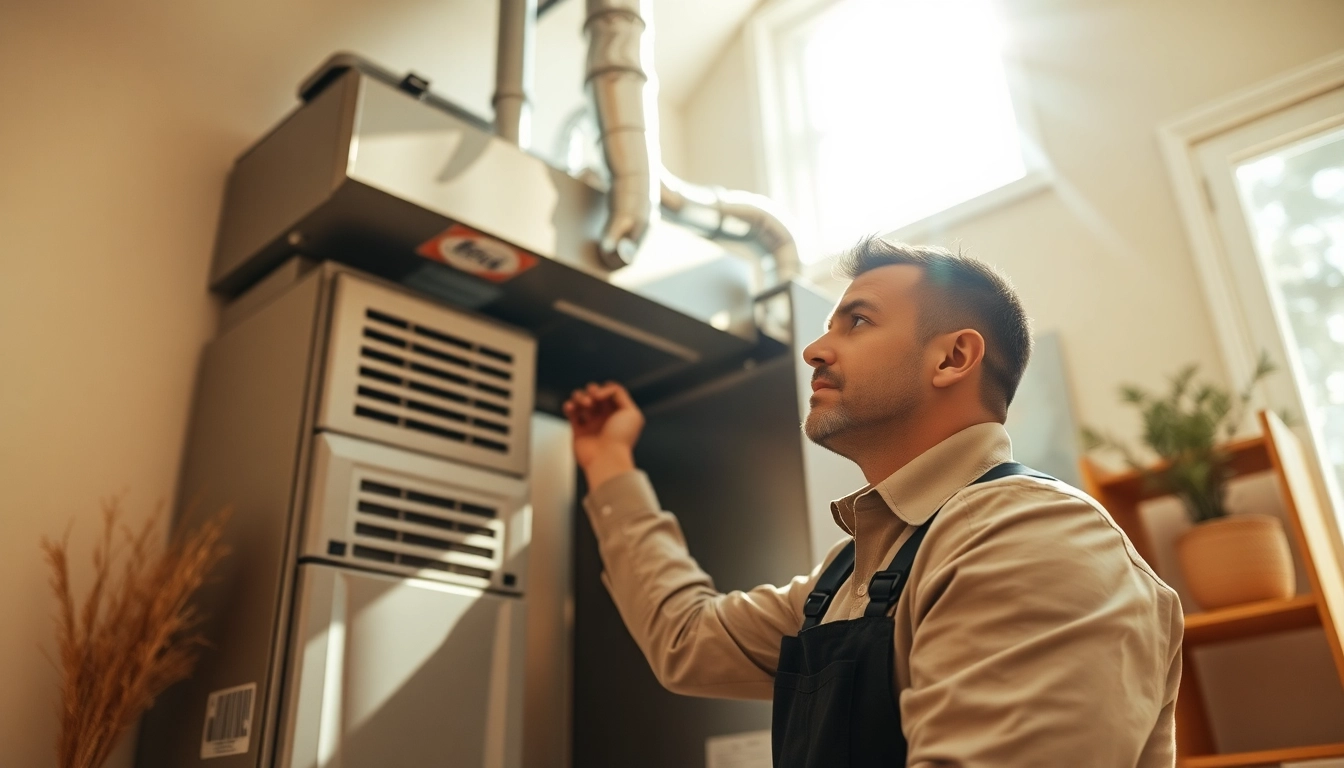

When it comes to maintaining comfortable indoor environments, energy-efficient HVAC systems play a crucial role. These systems not only enhance the quality of our air but also significantly reduce energy bills while minimizing our carbon footprint. A well-chosen, energy-efficient system can transform the way you experience indoor climate, offering both comfort and sustainability. With a focus on energy efficiency, understanding how these systems work and their benefits is essential. To further explore various options, you can check out energy-efficient HVAC systems that suit various needs.
Understanding Energy-Efficient HVAC Systems
What Makes HVAC Systems Energy Efficient?
Energy-efficient HVAC systems utilize advanced technology and design principles to minimize energy consumption while maximizing performance. This efficiency often comes from high Seasonal Energy Efficiency Ratios (SEER), Energy Efficiency Ratios (EER), and Heating Seasonal Performance Factors (HSPF). A system is considered energy-efficient if it converts a larger proportion of energy consumed into usable heating or cooling, often facilitated through innovative refrigerants and improved insulation in ductwork.
Benefits of Using Energy-Efficient HVAC Systems
The benefits of energy-efficient HVAC systems extend far beyond mere energy savings. Key advantages include:
- Cost Savings: Reduced energy consumption leads to lower utility bills.
- Environmental Impact: Less energy usage results in lower greenhouse gas emissions.
- Increased Comfort: Better temperature control and humidity management enhance indoor comfort levels.
- Longevity: Energy-efficient systems are typically built with high-quality materials, leading to a longer lifespan.
Key Features to Look For
When selecting an energy-efficient HVAC system, consider the following key features:
- Variable Speed Compressors: These adjust the cooling output according to the home’s needs, maintaining consistent temperatures while saving energy.
- Smart Thermostats: These allow for programmable settings and remote access, optimizing energy usage throughout the day.
- High-Efficiency Ratings: Look for systems with top SEER and EER ratings to ensure better energy performance.
- Quality Insulation: This minimizes energy loss through ducts and improves overall efficiency.
Types of Energy-Efficient HVAC Systems
Heat Pumps: How They Work
Heat pumps work by transferring heat rather than generating it, which can either heat or cool your space. During winter, they extract heat from the outside air and transfer it indoors, while in summer, they do the opposite. Modern heat pumps, such as air-source and ground-source models, are designed to be exceedingly efficient, providing energy savings of up to 50% compared to traditional systems.
Geothermal Systems: Environmentally Friendly Choices
Geothermal HVAC systems harness the Earth’s stable underground temperature for heating and cooling. These systems require a significant initial investment but offer substantial savings and minimal environmental impact over time. By exchanging heat with the ground through buried loops, geothermal systems have a higher efficiency rating and a lower carbon footprint than traditional systems.
Ductless Mini-Splits: Flexible Solutions
Ductless mini-split systems provide flexibility and efficiency, making them perfect for homes without existing ductwork. These systems feature an outdoor compressor and one or more indoor air handling units. With precise temperature control and individual zone cooling and heating capabilities, ductless mini-splits offer efficient climate control tailored to specific areas of a home.
Energy-Efficient HVAC System Installation
Choosing the Right System for Your Home
Selecting the right energy-efficient HVAC system requires careful consideration of various factors including home size, insulation, and climate. A comprehensive assessment by a licensed HVAC professional can help identify the most effective system for your particular circumstances. Look for systems that not only meet energy-efficiency criteria but also fit your specific heating and cooling needs.
Professional Installation vs. DIY
While some homeowners may consider DIY installation to cut costs, professional installation is often best for ensuring system efficiency and safety. Professionals have the experience to install units correctly, followed by proper testing and balancing that DIYers may overlook. Improper installation can lead to operational inefficiencies and might void the manufacturer’s warranty.
Common Installation Mistakes to Avoid
Several common mistakes during installation can affect system performance, including:
- Incorrect Sizing: An improperly sized system can lead to inefficient operation and increased energy bills.
- Poor Duct Insulation: Insufficient insulation can result in energy loss and decreased efficiency.
- Neglecting Maintenance Access: Ensuring that components are accessible for service helps prolong system life.
Operating Energy-Efficient HVAC Systems
Maintaining Optimal Performance
Regular maintenance is vital for the performance of energy-efficient HVAC systems. This includes changing filters regularly, cleaning coils, and scheduling annual professional inspections. Maintenance helps keep the system running at peak efficiency, prolongs its lifespan, and prevents costly repairs.
Adjusting Settings for Energy Savings
Utilizing programmable or smart thermostats allows homeowners to adjust settings based on their schedule. During times when the home is unoccupied, raising or lowering the temperature can result in significant energy savings. Setting timers or utilizing features like vacation modes further optimizes energy usage.
Recognizing Signs of Inefficiency
Being alert to signs of inefficiency in your HVAC system is crucial. Common indicators include:
- Inconsistent Temperatures: Fluctuations can indicate a failing system.
- Unusual Noises: Sounds such as grinding or squealing may signal a mechanical issue.
- Higher Energy Bills: An unexpected increase can indicate inefficiencies or leaks.
Future of Energy-Efficient HVAC Systems
Emerging Technologies in HVAC
Innovative technologies are reshaping the future of energy-efficient HVAC systems, including variable refrigerant flow (VRF) systems, smart sensors, and advanced air filtration systems designed for better efficiency and air quality. As technology evolves, the implementation of these advanced systems will drive further energy savings and improved performance in residential and commercial applications.
Government Incentives for Upgrade
Many governments offer incentives for upgrading to energy-efficient HVAC systems. These incentives can come as tax credits, rebates, or grants to help offset the initial costs of installation. Research local and federal programs that encourage investment in energy efficiency, helping homeowners make more sustainable choices.
The Role of Smart Home Integration
Smart home integration is rapidly becoming a cornerstone of energy-efficient HVAC systems. By connecting HVAC units to smart home networks, users can control settings remotely, monitor energy usage, and receive maintenance reminders through mobile applications. This interconnectedness not only improves user experience but also optimizes energy consumption.
Frequently Asked Questions
What are energy-efficient HVAC systems?
Energy-efficient HVAC systems are designed to use less energy while providing effective heating and cooling. They achieve higher performance ratings than standard systems, leading to lower energy costs.
How can I improve my HVAC system’s efficiency?
Regular maintenance, proper insulation, and using programmable thermostats can enhance the efficiency of your HVAC system significantly. Choosing the right system size is also key.
Are there tax credits for energy-efficient HVAC systems?
Yes, many local and federal government programs offer tax credits and rebates for upgrading to energy-efficient HVAC systems. It’s advisable to check your local incentives.
What should I look for when buying a new HVAC system?
Consider factors like the system’s energy efficiency ratings (SEER, EER), the size appropriate for your home, the type of system (like heat pumps or geothermal), and warranty options.
How often should I maintain my HVAC system?
Regular maintenance is recommended at least once a year, ideally before the heating or cooling season, to ensure optimal performance and energy efficiency.