
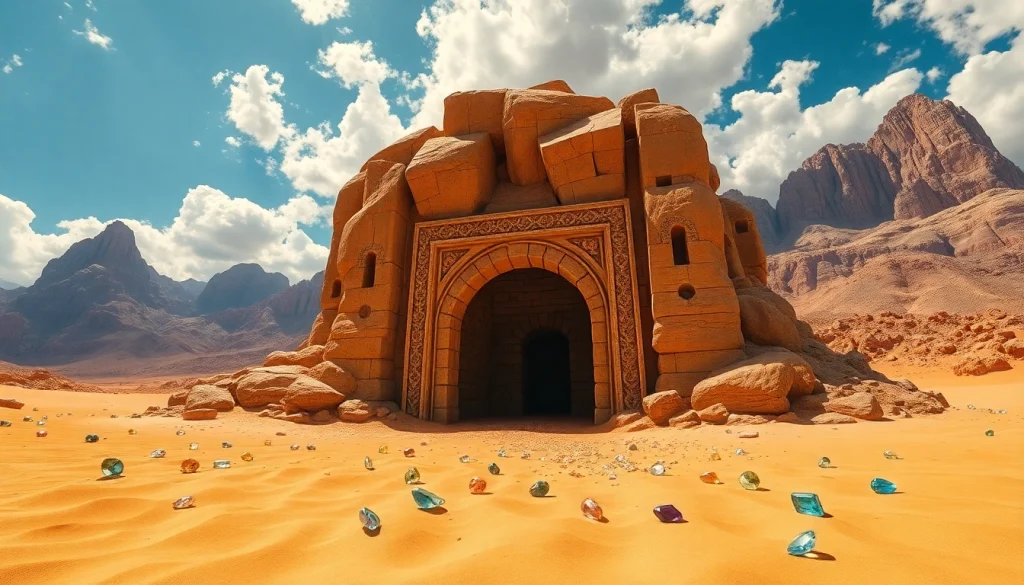
Introduction to King Solomon’s Mine
The legend of King Solomon’s Mine has fascinated explorers, historians, and treasure hunters for centuries. Intrinsically linked to biblical tales and described in literature as a place of incredible wealth and opulence, the mystique continues to grip the imagination of many. King Solomon’s Mine is more than a mere treasure story; it is a reflection of our enduring interest in discovery, adventure, and the unknown.
Overview of the Historical Context
The concept of King Solomon’s Mine originates from biblical references, particularly those found in the Old Testament, which have given rise to countless interpretations and explorations. Solomon, the son of David, is often depicted as a wise and wealthy king whose riches were possessed through divine favor and human endeavor. The mines, often associated with the extraction of gold and precious metals, are believed to have been located in the land of Ophir, a place that has never been conclusively identified, thus wrapping it in layers of historical ambiguity.
Significance in Literature and Culture
The mythos surrounding King Solomon’s Mine has permeated various cultural contexts, leading to adaptations across novels, films, and plays. Perhaps the most famous literary work linking to this mythology is H. Rider Haggard’s 1885 adventure novel “King Solomon’s Mines,” which narrates the perilous journey of a group in search of the fabled riches. This text set the stage for a new genre of adventure literature, intertwining elements of exploration, colonialism, and the clash of cultures, ultimately influencing countless narrative forms to follow.
Common Misconceptions
Many people misconceive the real history of King Solomon’s Mine, conflating myth with fact. One common belief is that the mine is a single, defined location; in reality, the tales speak of a more symbolic treasure, representing not just material wealth, but also knowledge and spiritual fulfillment. Another misconception involves the portrayal of explorers and treasure hunters leading simplistic pursuits for gold, overshadowing the complexities and moral dilemmas inherent in these narratives, often rooted in imperialism and exploitation.
The Search for King Solomon’s Mine
Throughout history, numerous expeditions have sought to locate King Solomon’s Mine. This quest has captivated adventurers and scholars alike, leading to diverse interpretations of what the mine represents, both in a geographical and metaphysical sense.
Famous Expeditions and Discoverers
One of the most notable expeditions was led by the South African explorer Allan Quatermain, a fictional character created by Haggard. Other real figures include the likes of Sir Henry Morton Stanley and Richard Francis Burton, both of whom undertook significant journeys in Africa during the 19th century. Their quests were often riddled with peril, underscoring the dangers of exploration during a time that was both exciting and treacherous.
Tools and Techniques Used in Searches
Explorers have employed various tools and methodologies in their pursuits of King Solomon’s Mine. From rudimentary maps and navigational skills of ancient times to modern GPS and satellite imaging technologies, the evolution of exploration tools has significantly transformed the journey. Archaeological methods, including stratigraphy and geophysical surveys, have also become integral in studying potential sites, lending a scientific approach to what was previously a whimsical endeavor.
Challenges Faced by Explorers
The search for King Solomon’s Mine has not been without its challenges. Explorers have frequently encountered treacherous terrains, hostile weather conditions, and local populations wary of outsiders. Furthermore, the moral dilemmas surrounding colonial exploitation have also become a significant topic of discussion among historians, prompting a reflection on the ethical dimensions of treasure hunting in sensitive cultural ecosystems.
Legends and Myths Surrounding King Solomon’s Mine
The allure of King Solomon’s Mine extends beyond mere treasure; it encompasses a rich tapestry of stories and beliefs that have evolved over generations.
The Stories from Ancient Texts
Ancient texts, including the Book of Kings and the Book of Chronicles, provide foundational narratives about King Solomon’s legendary wealth, often describing his trade endeavors and the riches he amassed from far-off lands. These accounts have sparked speculation about the existence of riches hidden in faraway places, enhancing the myth around the mine.
Present-Day Interpretations of Legends
In contemporary society, interpretations of the King Solomon’s Mine legend have diversified. Some view it as a metaphor for spiritual wealth and knowledge rather than physical riches. Others continue to explore literal quests, igniting interest in archaeological digs and academic discussions surrounding the implications of treasure hunting in ancient contexts. These modern interpretations reflect not just a continuation of a quest for gold but a deeper inquiry into human desires and ambitions.
Impact of Myths on Popular Culture
The legends surrounding King Solomon’s Mine have proliferated in popular culture, influencing films, documentaries, and artworks. Movies like “The Treasure of the Sierra Madre” and “Out of Africa” echo themes inspired by these age-old stories, showing how myths shape perceptions of adventure and exploration. The romance of the hidden treasure continues to inspire modern narratives, reminding us that the quest itself often carries greater significance than the destination.
Archaeological Insights Related to King Solomon’s Mine
As our understanding of archaeology evolves, so does our perspective on King Solomon’s Mine. Recent discoveries and interdisciplinary collaborations have shed new light on this enduring enigma.
Recent Archaeological Discoveries
Archaeological efforts in regions thought to be linked to King Solomon’s Mine have revealed fascinating insights into ancient civilizations, trade routes, and mining techniques. Discoveries of ancient gold smelting sites and trade goods suggest that the areas frequented by ancient traders were indeed rich in resources, solidifying the historical foundations of the legend.
Interdisciplinary Approaches in Research
The study of King Solomon’s Mine now includes contributions from fields like anthropology, history, and geology. Such interdisciplinary collaboration enriches our understanding of how myths shape cultures and how cultural contexts inform archaeological interpretations. Through the combination of ancient texts and modern scientific methods, researchers are unraveling the complexities surrounding this legendary mine.
The Future of Archaeological Exploration
The future of exploration around King Solomon’s Mine promises to bring even more discoveries as technology advances. Innovations in remote sensing and artificial intelligence can streamline archaeological digs and expand the search to areas previously deemed inaccessible. Moreover, dedicated research can foster a more inclusive narrative that respects the cultural significance of the land and the peoples who inhabit it.
Visiting King Solomon’s Mine: A Guide
For the adventurous traveler, visiting the region surrounding King Solomon’s Mine offers a unique opportunity to engage with a landscape steeped in myth and history.
Travel Tips for Adventurous Visitors
When planning a visit, it is essential to prepare adequately. Travelers should research the historical locations, understand local customs, and be aware of the necessary permits required for exploration. Packing appropriate gear for outdoor adventures—such as sturdy footwear, weather-appropriate clothing, and navigation tools—will enhance the exploring experience.
Safety Considerations and Best Practices
Safety remains paramount for those wishing to explore these territories. It is advisable to travel in groups, hire local guides who are familiar with the terrain, and maintain awareness of wildlife and environmental conditions. Adhering to local regulations and respecting cultural sensitivities fosters a safer and more enriching travel experience.
Local Attractions Near King Solomon’s Mine
In addition to the mine itself, several attractions enrich the experience for visitors. Nearby cultural sites, traditional markets, and local heritage museums provide insights into the lives and stories of communities connected to the legend. Engaging with local cuisine and traditions offers a deeper appreciation for the rich history and mythology tied to King Solomon’s Mine.