
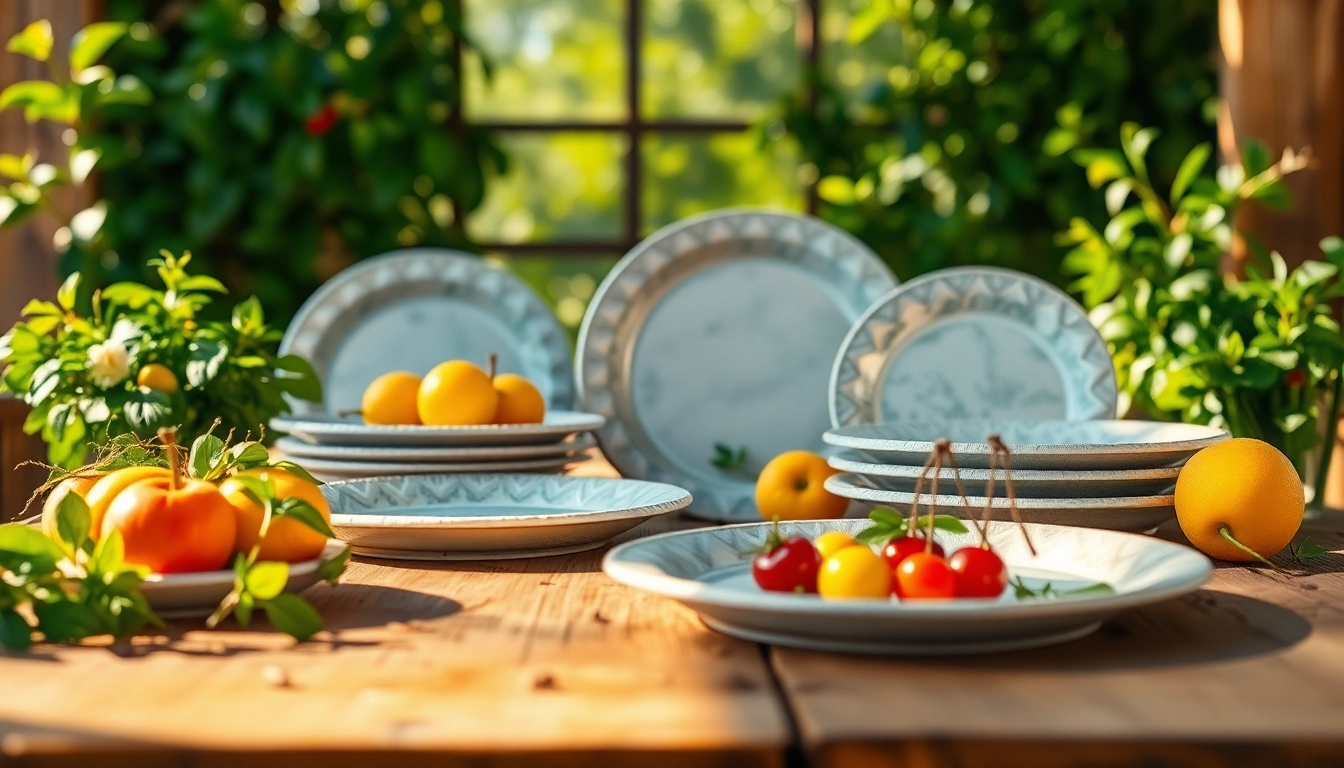
Understanding Eco Friendly Disposable Plates
Definition and Benefits
Eco friendly disposable plates refer to tableware designed specifically to be environmentally responsible, typically made from materials that can break down naturally without causing harm to the ecosystem. As our society increasingly prioritizes sustainability, these plates have become a popular alternative to traditional disposable tableware that contributes significantly to landfill waste.
The fundamental benefits of using eco friendly disposable plates include reducing environmental impact, minimizing plastic use, and promoting a healthier planet. Whether you are hosting a party, running a catering service, or organizing an outdoor event, these plates provide a practical solution without jeopardizing ecological integrity. Utilizing eco friendly disposable plates helps in managing waste, encouraging composting, and supporting sustainable practices.
Types of Eco Friendly Disposable Plates
Eco friendly disposable plates come in several types, each designed to meet various needs while remaining sustainable. The primary categories include:
- Compostable Plates: Made from renewable resources, such as corn starch, sugarcane, or bamboo, these plates can decompose into natural elements in composting conditions.
- Biodegradable Plates: These plates break down through natural processes, though they may require specific conditions to do so efficiently.
- Paper Plates: Often made from recycled paper, these plates can be a great earth-friendly option. However, they must avoid harmful coatings that inhibit biodegradability.
- Bamboo Plates: Lightweight and sturdy, bamboo is a sustainable material, allowing for both elegant and durable tableware.
- Palm Leaf Plates: These plates are made from fallen leaves and provide an aesthetic, rustic touch for gatherings.
How They Help the Environment
Environmentally conscious consumers are increasingly aware of the impact that disposables can have on our planet. Traditional plastic and Styrofoam plates contribute to long-lasting landfills and marine pollution. In sharp contrast, eco friendly disposable plates help mitigate these issues by:
- Reducing Landfill Waste: Since many of these plates are compostable or biodegradable, they can decompose rather than linger in landfills for years.
- Lowering Resource Consumption: Materials for eco friendly plates are typically renewable resources, which helps in conserving fossil fuels.
- Encouraging Composting: Many eco friendly plates can be composted along with food waste, enriching the soil rather than contributing to pollution.
- Minimizing Carbon Footprint: By using materials that require less energy to produce, these plates help in reducing carbon emissions overall.
Materials Used in Eco Friendly Disposable Plates
Compostable Materials Explained
Understanding compostable materials is crucial to recognizing the benefits of eco friendly disposable plates. Compostable materials are organic substances that can break down under composting conditions into natural elements, enriching the ecosystem rather than harming it. Commonly used compostable materials include:
- PLA (Polylactic Acid): Made from fermented plant starch, PLA is a biodegradable plastic that can be composted in industrial facilities.
- Bagasse: A byproduct of sugarcane processing, bagasse is strong and can be composted easily.
- Paper and Cardboard: When sourced from sustainable forests and processed without harmful chemicals, they can be composted effectively.
The Role of Sugarcane and Bamboo
Sugarcane and bamboo are two of the most prominent materials used in eco friendly disposable plates.:
- Sugarcane: Often used in bagasse plates, sugarcane is a renewable resource that is strong and heat-resistant. These plates can hold hot and wet foods effectively, making them ideal for various dining settings.
- Bamboo: Known for its fast growth, bamboo is a sustainable source that offers durability and elegance. Bamboo plates are not only functional but also add a touch of aesthetics to any dining experience.
Comparing Materials: Biodegradable vs. Non-Biodegradable
Understanding the differences between biodegradable and non-biodegradable materials is essential for making informed choices about eco friendly disposable plates. Biodegradable materials will break down over time, typically within weeks to months, while non-biodegradable materials—like conventional plastics—can take hundreds of years to decompose, if at all. Choosing biodegradable options ensures that you opt for materials that won’t persist in landfills or ecosystems, reducing long-term environmental impact.
Choosing the Right Eco Friendly Disposable Plates
Factors to Consider When Buying
When selecting the right eco friendly disposable plates, several factors come into play, including:
- Material Type: Consider what material best fits your event’s needs, whether it be compostable bagasse or bamboo for a formal gathering, or a sturdy paper plate for casual use.
- Size and Shape: Ensure that the plates are suitable for the food being served. Larger plates may be required for meals, while smaller sizes may suffice for appetizers.
- Environmental Certifications: Look for certifications such as BPI (Biodegradable Products Institute) or ASTM standards that ensure the sustainability of your choices.
- Sturdiness: Opt for plates known for their strength and support for heavier dishes without leaking or breaking.
Size and Shape Options
Eco friendly disposable plates are available in various sizes and shapes designed for different types of meals and presentations. Common size options include:
- Small (6-7 inches) for desserts or appetizers.
- Medium (9-10 inches) suitable for salads or main dishes.
- Large (10-12 inches) for serving larger meals.
Shapes can range from traditional round plates to square and rectangular designs, accommodating various presentation styles.
Cost Effectiveness Explained
While eco friendly disposable plates may have higher upfront costs compared to conventional plastic or Styrofoam options, they often result in long-term savings. As sustainable practices gain traction, more manufacturers are producing eco friendly options at competitive prices. Additionally, the potential for reduced waste disposal fees and environmentally-conscious customer appreciation can provide added value.
Best Practices for Using Eco Friendly Disposable Plates
Hosting Sustainable Events
When hosting a sustainable event, incorporating eco friendly disposable plates is a crucial step. Promote waste reduction by ensuring that food waste and plates are disposed of correctly—ideally composted. Offer educational materials about the importance of sustainability to help guests understand the positive impacts of their choices.
Sustainable Food Service Tips
Incorporating eco friendly disposable plates into your food service operations can enhance your sustainability efforts. Consider bulk purchasing to cut costs and reduce packaging waste. Train staff on proper disposal and composting of used materials, reinforcing your commitment to eco-friendly practices.
Cleaning and Disposal Routine
Cleaning eco friendly disposable plates typically involves simply disposing of them with food waste if they are compostable. For those not suitable for composting, ensure that they are placed in a designated recycling or waste bin. Establishing clear disposal procedures can streamline post-event clean-up and reinforce your commitment to sustainability.
FAQs about Eco Friendly Disposable Plates
Are eco friendly disposable plates really compostable?
Yes, many eco friendly disposable plates are made from compostable materials that break down in composting conditions, returning nutrients to the soil.
Can I use eco friendly disposable plates for hot foods?
Definitely! Many eco friendly plates, particularly those made from sugarcane and bamboo, are designed to withstand hot foods without melting or leaking.
Where can I buy eco friendly disposable plates?
You can purchase eco friendly disposable plates from various retailers, including online sources, local grocery stores, or suppliers specializing in sustainable products.
What sizes are available for eco friendly disposable plates?
Eco friendly disposable plates come in multiple sizes, commonly ranging from small (6-7 inches) for snacks to large (10-12 inches) for full meals.
How do I dispose of eco friendly disposable plates after use?
Depending on the type, compostable plates can often be composted with organic waste. Otherwise, follow local guidelines for disposal or recycling.