Introduction to Steel Structure Design
Steel structure design plays a crucial role in modern construction, serving as the backbone for various types of buildings and infrastructure. This design process emphasizes safety, efficiency, and sustainability by optimizing material usage. In this article, we will delve into the intricate principles, methodologies, and best practices associated with steel structure design, providing valuable insights for both aspiring engineers and established professionals.
What is Steel Structure Design?
Steel structure design refers to the process of creating a framework of steel members that can support the loads and forces a building or structure will encounter throughout its lifetime. This discipline of civil engineering involves several stages, including conceptualization, detailed calculations, drafting, and adherence to regulatory codes. Optimal design ensures that the end-product is not only functional and aesthetically pleasing but also capable of withstanding various stresses like wind, seismic activity, and dynamic loads.
Importance of Steel in Construction
Steel has become the material of choice for construction due to its high strength-to-weight ratio, making it ideal for large spans and structural applications. Unlike traditional materials such as wood or concrete, steel provides greater durability and longevity, enhancing the safety and reliability of structures built with it. Furthermore, advancements in technology have allowed for more efficient production and recycling processes, positioning steel as a sustainable option in construction.
Overview of Key Components
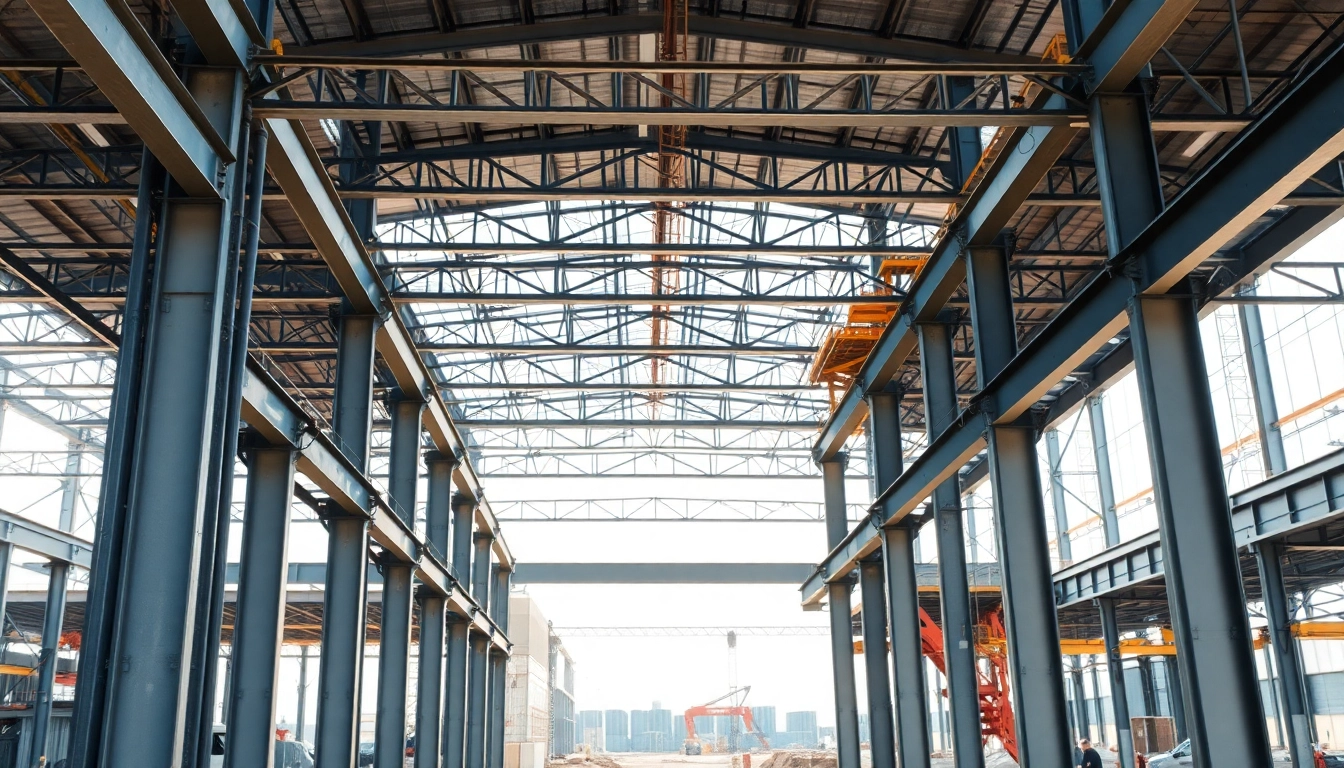
In the realm of steel structure design, several key components are integral to creating a functional framework:
- Beams: Horizontal supports that carry loads from floors or roofs.
- Columns: Vertical elements that transfer loads to the foundation.
- Bracing: Diagonal elements that provide stability and counteract lateral forces.
- Connections: Joints that link various structural elements, critical for overall integrity.
Fundamental Principles of Steel Structure Design
Strength and Load-Bearing Capacity
One of the foremost principles of steel structure design is ensuring strength and load-bearing capacity. Engineers must calculate the anticipated loads, including dead loads (permanent/static loads) and live loads (temporary/dynamic loads), while considering the material’s properties. Knowledge of factors such as yield strength, tensile strength, and fatigue life is essential to achieve a safe design that meets regulatory standards.
Stability and Structural Integrity
Stability is paramount in structural design. A comprehensive understanding of how various forces affect the overall stability of a structure is required. Engineers utilize methods to assess stability under different conditions, including buckling analyses and lateral load evaluations. Incorporating braces and cross members can significantly enhance stability, ensuring that structures can withstand unforeseen forces and remain intact throughout their lifespan.
Materials and Environmental Considerations
Environmental considerations are vital in modern steel structure design. Engineers must select materials that not only meet design specifications but also minimize ecological impacts. Using recycled steel when possible, choosing low-emission production methods, and considering the longevity of materials contribute to sustainable design practices. Moreover, advancements in high-strength steel and eco-friendly coatings are pushing the boundaries of traditional design.
Design Methods and Techniques
Traditional Design Approaches
Historically, steel structure design relied on traditional methods involving manual calculations and approximations. Techniques such as moment distribution and the use of empirical formulas enabled engineers to devise functional frameworks. While these methods remain relevant, they have largely been supplemented by modern approaches that leverage technology for more effective outcomes.
Modern Software in Steel Structure Design
The introduction of advanced software has revolutionized steel structure design. Tools such as AutoCAD, Tekla Structures, and SAP2000 facilitate complex calculations and 3D modeling, allowing engineers to visualize designs before implementation. These software programs significantly reduce the risk of errors and enhance collaboration among design teams, ensuring all elements are compatible and well-integrated.
Choosing the Right Design Method
Selecting the appropriate design method is crucial to a project’s success. Factors such as project scale, complexity, and budget heavily influence this choice. Simple structures may benefit from traditional methodologies, while intricate designs might necessitate modern software systems. A hybrid approach, combining both techniques, can often provide a balanced solution that meets the specific needs of a project.
Best Practices for Effective Steel Structure Design
Common Challenges in Steel Design
Steel structure design comes with its share of challenges, including ensuring compliance with evolving building codes, managing limited budgets, and accommodating site-specific constraints. Effective communication among stakeholders is paramount in mitigating these challenges. Regular site assessments and innovative problem-solving strategies can also help overcome design obstacles.
Quality Control and Safety Standards
Adhering to quality control measures and safety standards is critical in steel structure design. Engineers must ensure that all materials used conform to specified standards such as ASTM, AISC, and ANSI. Conducting thorough inspections throughout various stages of construction guarantees the integrity of the structure and the safety of its occupants. Implementing safety protocols can also lead to fewer accidents on-site.
Case Studies and Examples of Successful Projects
Studying successful steel structures provides valuable insights into best practices. Notable examples include the Burj Khalifa in Dubai, which exemplifies innovative use of high-strength steel for extreme heights, or the Sydney Harbour Bridge that showcases effective design for heavy loads and durability. Analyzing such projects can inspire modern engineers to integrate innovative techniques into their designs.
Future Trends in Steel Structure Design
Advancements in Materials and Techniques
The future of steel structure design is surrounded by promising advancements. New materials like high-performance steels and composites bring added strength and reduce weight. These innovations allow for more daring architectural designs while maintaining safety and compliance. Additionally, prefabrication techniques enable faster construction timelines with improved precision.
Innovative Design Solutions for Urban Development
Urbanization is driving the demand for innovative design solutions in densely populated areas. Steel structures offer flexibility and efficiency, allowing architects and engineers to create multi-story buildings that maximize urban space. Solutions such as modular construction and hybrid systems that combine steel with other materials are becoming increasingly popular to address urban density challenges.
The Role of Sustainability in Steel Construction
Sustainability is emerging as a central theme in steel structure design. With a growing focus on environmental impact, designers are adopting practices that reduce waste and energy consumption. Life cycle assessments, green certifications, and sustainable material sourcing are becoming standard considerations, aligning with an industry shift towards more eco-friendly construction practices.
FAQs
1. What is the role of steel in construction?
Steel provides high strength-to-weight ratios, durability, and versatility, making it ideal for various structural applications, including bridges and high-rise buildings.
2. How can I learn about steel structure design?
Learning steel structure design can be accomplished through academic programs, online courses, hands-on workshops, and real-world experience in engineering firms.
3. What are the primary elements of steel structures?
Key elements include beams, columns, bracing, and connections, all of which work together to provide structural integrity and stability.
4. What are common challenges faced in steel design?
Challenges include meeting building codes, managing costs, ensuring safety, and maximizing space in urban settings while maintaining structural integrity.
5. How is sustainability integrated into steel structure design?
Sustainability is integrated through recycling materials, using eco-friendly production methods, and designing for energy efficiency and reduced waste during construction.